-
 France v Morocco rematch as World Cup quarter-finals get under way
-
OpenAI to launch new model after US freeze
-
 Modi visits Australia for minerals talks and rockstar welcome
-
UK museums at 'sharp end' of climate change challenge
-
 Sensors, early starts: how Spain keeps working when heat hits
-
In Mauritania, Imraguen people's desert-ocean paradise under threat
-
 Kenya Rastafarians hope for freedom to smoke
-
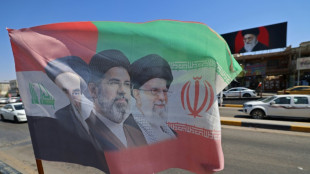
Iraq's holy cities host funeral processions for Khamenei
-
 Pacific nation of Tuvalu condemns Chinese missile launch into Pacific
-
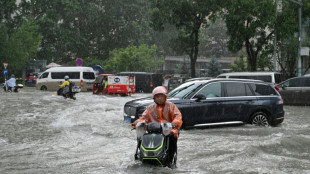
Rescuers search for missing in China storms after 100,000 evacuated
-
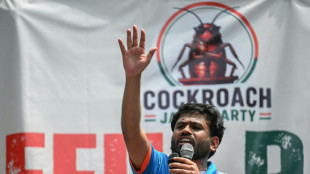 How a viral post sparked India's Gen-Z protest
-
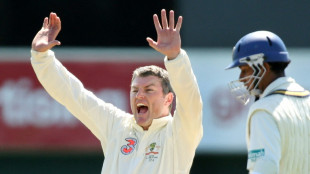
Ex-Australia cricketer MacGill loses appeal against cocaine conviction
-
 Cambodia wants to bring tigers back, but should it?
-
Oil prices extend rally as US strikes on Iran revive geopolitical fears
-
 Chinese repairwomen smash stereotypes with power tools
-
Iraq's holy cities to host funeral processions for Khamenei
-
 Ecuador's Death Canal: watery grave for victims of gang violence
-
In Venezuela's quake ruins, a baby is born
-
 'Unique event': Solar eclipse fever fills empty Spain
-
What to know about the total solar eclipse due in August

-
 Venezuela says Caracas airport to reopen to commercial flights 'soon as possible'
-
Trump, NATO allies to begin key talks at Turkey summit
-
 World Cup: Eight teams remain in the hunt for glory
-
Guardian Metal Resources PLC Announces Tungsten Mining & Processing Strategic Partnership

-
 Caledonia Mining Corporation Plc: Notification of Relevant Change to Significant Shareholder
-
InterContinental Hotels Group PLC Announces Transaction in Own Shares - July 08

-
 Former Real Madrid coach Arbeloa named Fulham manager
-
'A nice surprise': Marathon man Djokovic revels in Wimbledon epic
-
 Messi inspires Argentina great escape over Egypt, Swiss advance
-
Switzerland beat Colombia on penalties to reach World Cup quarter-finals
-
 US strikes Iran after Hormuz attacks, Tehran threatens response
-
Djokovic survives Wimbledon's longest quarter-final to book Sinner blockbuster
-
 Djokovic wins five-hour epic to earn Sinner showdown at Wimbledon
-
'Flunked': US soccer seeks answers as World Cup dream shattered

-
 US strikes Iran after Hormuz tanker attacks: military
-
Mbappe revels in captain's role for France at World Cup

-
 Messi 'didn't want to go home' as Argentina comeback stuns Egypt
-
Iyer's India 'atrocious' in record 125-run T20 defeat by England
-
 Netflix strikes deals in short-form video push
-
Rain hands West Indies series win over Sri Lanka
-
 The height factor: how a small building survived Venezuela's quakes
-
World Cup exit puts another nail in America's summer of fun

-
 Egypt 'cheated' in controversial World Cup exit to Messi's Argentina, says Hassan
-
US revokes Iran oil waiver after Hormuz tanker attacks
-
 Global AI industry falls short on safety, think tank warns
-
England quicks star as India suffer record 125-run T20 defeat

-
 'History made': Egyptian pride despite World Cup heartbreak
-
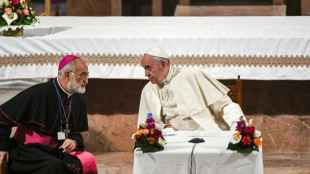
Cardinal tipped to be pope accused of molesting several women
-
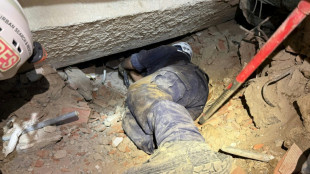 How rescuers carried out 180-hour 'miracle' amid Venezuela's ruins
-
How rescuers carried out 180-hour 'miracle' amid Venzuela's ruins
French PM ends budget deadlock after no confidence motions beaten
France adopted a 2026 government budget on Monday following months of fraught negotiations after Prime Minister Sebastien Lecornu survived the latest in a string of no-confidence motions.
Lawmakers rejected two no-confidence motions from the hard left and far-right parties tabled after the premier on Friday forced his budget through parliament without a vote for the third and final time.
The outcome cleared the way for the budget's final approval after four months of political deadlock over government spending.
The stalemate had pushed Lecornu last month to make an about-face on his pledge not to force the budget through parliament without a vote, a decision he called a "partial failure".
But the 39-year-old premier survived the latest challenges after making concessions to gain the backing of the Socialists -- a key swing group in parliament.
He had weathered two previous rounds of no-confidence motions, also triggered by his use of the constitutional provision known as Article 49.3 to push the bill through parliament in earlier stages of the process.
Speaking ahead of Monday's votes, Lecornu criticised what he called those who want to "reject everything", targeting the far-right National Rally and the hard-left France Unbowed who sought to bring his government down.
Motions tabled by the France Unbowed, the Greens and other left-wing groups drew 260 of the 289 votes needed to oust the the government. The far-right motion secured only 135 votes.
- Deficit-cutting effort -
The bill aims to cut France's deficit to five percent of gross domestic product (GDP) in 2026 from 5.4 percent in 2025, after the government eased back from an earlier target of 4.7 percent.
The budget includes higher taxes on some businesses, expected to bring in about 7.3 billion euros ($8.6 billion) in 2026, though the Socialists failed to secure backing for a proposed wealth tax on the super-rich.
The Socialists did, however, win several sought-after measures, including a one-euro meal for students and an increase in a top-up payment for low-income workers.
The plan boosts military spending by 6.5 billion euros, a move the premier last week described as the "heart" of the budget.
- State spending row -
In December, lawmakers narrowly adopted the social security budget, part of the broader spending plan, postponing an unpopular pensions reform until January 2028, after President Emmanuel Macron's term ends.
They failed to reach a compromise on state expenses, complicated by a tug-of-war between a right-leaning Senate pushing for savings and the lower house where no wing has a majority and the left has demanded more tax income.
France is under pressure from the European Union to rein in its debt-to-GDP ratio -- the bloc's third-highest after Greece and Italy -- which is close to twice the EU's 60-percent ceiling.
The country has been bogged down in political crises since Macron called a snap poll in 2024, in which he lost his parliamentary majority.
Lecornu was named premier in September -- then renamed the following month having stepped down -- after his two predecessors were both toppled by parliament over cost-cutting measures.
P.Silva--AMWN