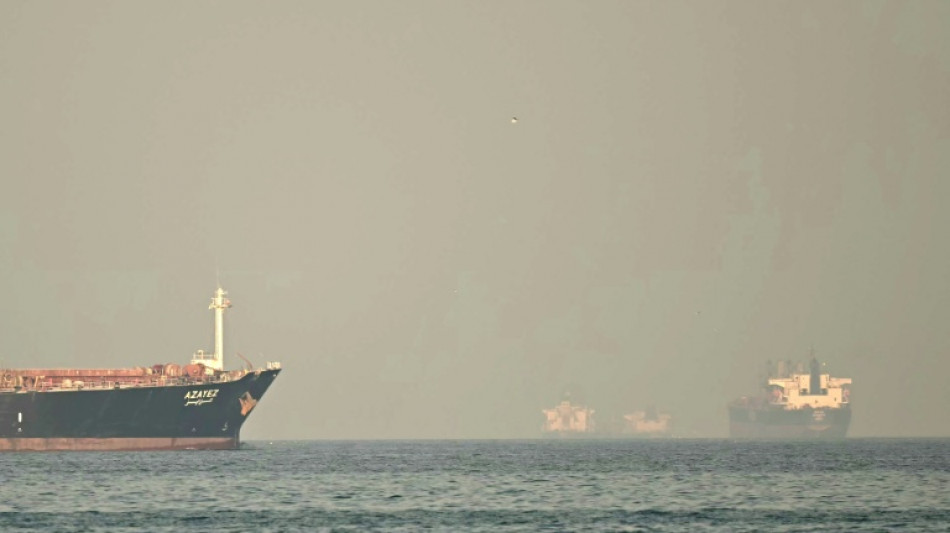
Shifting goals blur picture of US blockade on Iran / Photo: Giuseppe CACACE - AFP
 STARPRIME Completes Beta Testing of Market-Maker Model for Retail Brokers

 Campaigns kick off in Nigerian presidential race
 Aussie Rules club suspends five players for drinking, bringing women to hotel

 Trump pauses 50% tariffs on Canadian goods for three days

 Five Premier League stars to watch this season

 China's robots open to opportunities in search of commercial breakthrough
 Tech leads losses as Asian stocks track Wall St selloff
 US, South Korea cut drills short after Trump criticism

 Italian scientists bet on octopus to fight crab invasion
 New 'Insidious' reflects anxiety of being a new parent: director

 No.1 Sabalenka slams Wang to advance at Cincinnati

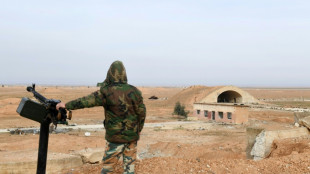 Turkey rejects Israeli claims after strike on Syria air base
 InterContinental Hotels Group PLC Announces Transaction in Own Shares - August 19

 Best Place to Buy Gold IRA in 2026 (Guide Released)
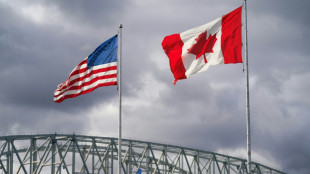 Trump, Carney talk as Canada seeks to hold off new US tariffs

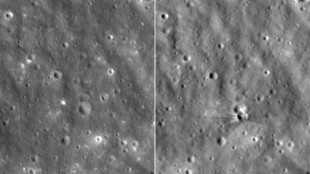 NASA images reveal crater left by SpaceX rocket's Moon crash

 UN atomic watchdog says found tons of nuclear material at Syria site

 Ecuadoran diplomat enters race to be next UN chief

 US sanctions ICC chief Tomoko Akane of Japan

 US moves to open vast tracts of pristine forests to logging

 US sanctions International Criminal Court chief Tomoko Akane of Japan

 Meta hooked children and misled public: prosecutors

 France's first women's rights minister Yvette Roudy dies, aged 97

 French producer Nicolas Altmayer, Dior PR chief Favier die in car crash
 Bezos consortium bought nearly 40 percent of Liverpool: report

The United States has vowed to blockade Iran's ships until the country makes a deal to end their war. But is the blockade working?
Analysts and ship-tracking data paint a complicated picture. Shifting objectives and shadowy activity by vessels making the success of the US operation hard to measure.
"There's been confusion over the scope and the parameters of the blockade because of conflicting information given by the US administration and some delays in when information has been released," Bridget Diakun, an analyst at shipping journal Lloyd's List Intelligence, told AFP.
Here are facts about the military standoff over shipping access to the Strait of Hormuz, based on data from tracking sources including Kpler and its MarineTraffic platform, and Bloomberg.
- Where is the blockade? -
After the US and Israel launched strikes on Iran on February 28, Iranian forces effectively closed the strait by targeting vessels trying to cross between its southeastern coast and the northern tip of Oman.
After later peace talks failed during a ceasefire, US forces launched a counter-blockade on April 13. The chairman of the US Joint Chiefs of Staff, Dan Caine, said the US blockade would be enforced further east, at the mouth of the Gulf of Oman.
- What are its terms? -
Launching the operation, US Central Command said its blockade applied to ships of all nations going to or from Iranian ports.
The US Navy later said it would also block ships suspected of carrying "contraband" including oil, weapons and nuclear material linked to Iran -- regardless of their location.
Lloyd's List Intelligence on Wednesday quoted an unnamed US defence official as saying that the force was now gauging the blockade's success on how badly it damaged Iran's trade, not on how many rogue vessels crossed the line.
- Has it been breached? -
Tracking data and satellite images analysed by maritime firms show that dozens of ships that potentially fall under these terms have crossed the line, including Iranian-flagged vessels under US sanctions and vessels going to and from Iranian ports.
US Central Command says similar numbers have turned around under US orders. It issues daily updates on its operation, and up until April 17 said that "zero" vessels had evaded the blockade.
On April 18, it said the blockade had "completely halted economic trade going into and out of Iran by sea". But since then it has only listed the number of vessels turned around -- currently standing at 28.
- Can ships dodge it? -
Counting the number of rogue vessels that may have skirted the blockade is difficult, due to the conflicting definitions and other factors.
Some sanctioned vessels have sailed west into the Gulf beyond Hormuz, but flagged their destination as Iraq or other non-Iranian destinations.
Once inside the Gulf, Diakun said, vessels can "spoof" their transponders to hide their positions and even perform ship-to-ship transfers of Iranian oil, testing the terms of the US blockade.
Several Iranian-linked vessels also appear to have turned off their transponders while sailing out of the Gulf before reappearing in the Arabian Sea, satellite imagery seen by maritime firms apparently confirming their route.
- Are there exemptions? -
US officials suggested early in the blockade that certain vessels would be granted exemptions on humanitarian grounds, but did not specify the exact conditions.
Tracking data showed that at least two vessels travelled in and out of the Gulf unimpeded having either dropped off or picked up food at Iranian ports.
O.Norris--AMWN