Malians tell of torture and killings by army, Russian fighters / Photo: PATRICK MEINHARDT - AFP
 Bayern beat Freiburg to reclaim top spot after Kompany illness
 Nigeria widens hunt for possible Ebola cases
 Liverpool star Isak back to his best says Iraola

 Lula supporters cross fingers in Rio, a Bolsonaro bastion
 Flights resume at Riyadh airport as Houthis attack Saudi Arabia
 High-flying Betis held at Celta Vigo
 Shadab ton stuns England as Pakistan reach tri-series final

 'With you': Opposition leader Machado returns to Venezuela

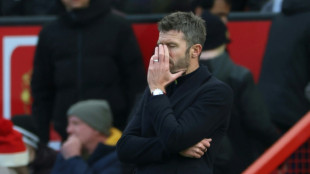
 Carrick on the brink as Man Utd misery mounts, Isak stars for Liverpool
 Monaco hold Lille as both move to top of Ligue 1
 Isak extends hot streak as Liverpool sink Brighton
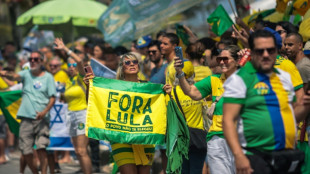 Brazil chooses between Lula and Bolsonaro in nail-biter vote

 J&K Bank raises accident cover for government employees to ₹1 crore

 UDST opens Fall 2027 admissions to students in Qatar and abroad
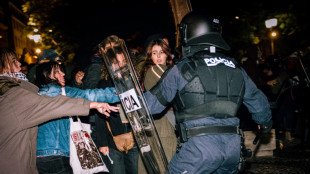
 Le Pen begins presidential campaign after violent protests across France
 Adan Hospital launches catheter-based tricuspid valve replacement programme
 KIB Group nine-month profit rises 30% to KD 26.6 million

 John Catlin wins Hong Kong Open and secures first Masters invitation
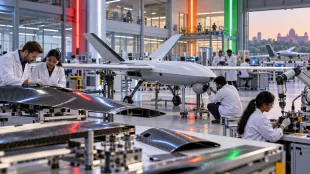 Poland’s WB Group plans $100 million India investment for drone production

 Insurance deductibles and no-claim bonuses require a careful claims decision
 Credit-card shortcuts can turn impulse spending into lasting debt

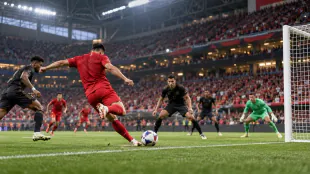 Chicago Fire rally past Atlanta United 3-2 to hold fourth place
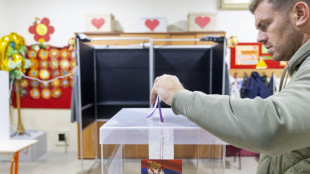 Serbia on track for high turnout as students challenge ruling party
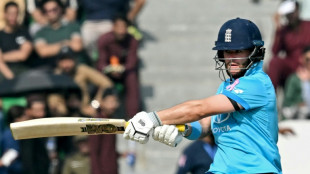 Pakistan keep England to 241 despite Duckett ton
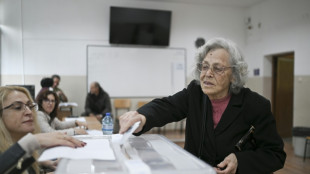 Ukraine war divides Bulgaria as voters elect president
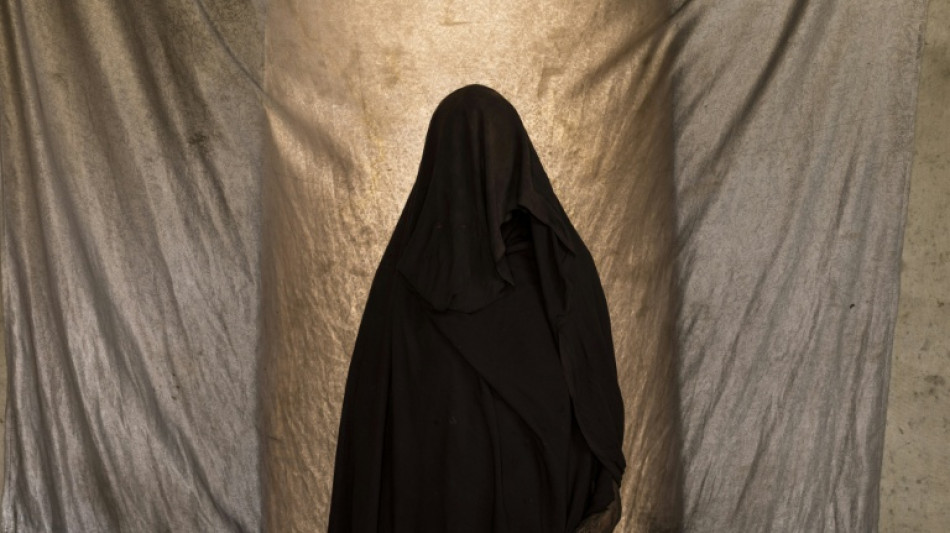
Tears soaked Cherifa's veil as she recounted how her son was beheaded by a unit of Malian soldiers and Russian paramilitaries supporting the fight against jihadists.
Cherifa, who is in her sixties, was one of about 10 Malian refugees who spoke to AFP from neighbouring Mauritania about the brutal violence meted out against civilians.
All the refugees' names have been changed for their safety.
"His death is my greatest pain," said Cherifa, her voice trembling, from inside a rough brick shelter.
Last summer, her son left to sell goods in Mali but just a few kilometres across the border, he and four others ran into a joint patrol of Malian troops and paramilitaries from the Moscow-controlled Africa Corps.
Herders hiding nearby later described what followed.
"They tied them up and cut off their heads... they set fire to the goods they were carrying," Cherifa said.
No one dared retrieve the bodies until the next day, fearing an ambush or hidden traps.
- 'Defenceless' -
Cherifa accused the army and Russian fighters of "pouring their hatred on innocent, defenceless people".
The nomadic Fulani and Tuareg communities have been particularly targeted, often accused of links to jihadists or separatists.
Since taking power in a 2020 coup, Mali's ruling junta has relied on Russian mercenaries -- first Wagner, now rebranded as Africa Corps.
Their operations have been widely criticised by rights groups.
According to data analysed by AFP from conflict monitor ACLED, Malian government operations since 2020 have caused more than 8,500 deaths, about half of them civilians.
When the Russians accompany government forces, up to 60 percent of those killed are civilians. When the Russians act on their own, it jumps to 90 percent.
- Torture -
Under the makeshift tents in refugee camps across the border, the mere mention of the Russians -- still widely known as Wagner -- brings fear.
Nedoune, a Tuareg herder in his fifties, said he was fetching water two years ago in the northern Timbuktu region when a convoy spotted him.
After being beaten and tied up, he said he was taken for two days as the fighters combed through the area, rounding up civilians and destroying camps.
"They burned everything and killed all the animals," he said without emotion.
Through a gap in his turban, he saw a man beaten "almost to death" before having his throat cut and his body thrown from a vehicle.
Nedoune said he was later held at a camp in central Mali and tortured for four days during interrogations.
"They always asked about jihadists: Do you know them? Who are they? Where are they?"
"They pour water on your body, then put wires in your ears and send an electric current until you pass out," he told AFP.
He was eventually released after paying a ransom of 310,000 CFA francs (around $550).
- 'Buried alive' -
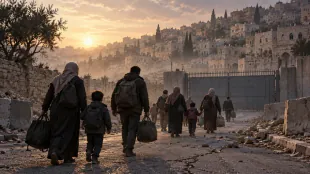
Around 300,000 refugees have fled to eastern Mauritania's desert Hodh Chargui region to escape the violence that has plagued Mali for more than a decade.
Since 2012, Mali has been hit by violence from radical Islamists affiliated with Al-Qaeda and the Islamic State group, as well as local criminal gangs and pro-independence fighters.
At the border town of Fassala, teams from the medical charity Doctors Without Borders (MSF) are treating people with severe trauma.
"We have testimonies of torture, including people who say they were buried alive," said MSF coordinator Mayoury Savant.
"We also see sexual violence, affecting both women and men," she added.
In recent months, Hodh Chargui has seen a massive influx of refugees fleeing jihadist ultimatums to leave certain areas within 24 hours or face being slaughtered.
- 'We lived in peace' -
Rights groups have filed a case with the African Union, seeking accountability for abuses involving Malian forces and Russian fighters.
Coordinated attacks by Tuareg separatists and jihadists late last month dealt a major new blow to the junta, especially the capture of Kidal, a northern rebel stronghold.
For refugees, many of whom support the Tuareg rebels, the withdrawal of Russian fighters from northern bases has raised hopes of returning home.
Fatima, 30, fled her village after airstrikes in the Timbuktu region three years ago but said of the women who stayed behind: "Everything happened to them except death... we know some were tortured."
"Before the Russians came, we lived in peace," said Fatima. "If they take back Timbuktu and the other towns, I can go home."
Y.Aukaiv--AMWN