Iran's supreme leader says approved deal as US lifts ports blockade / Photo: Ken Cedeno - AFP
 Dozens of orangutans saved from Indonesia blazes as region grapples with haze
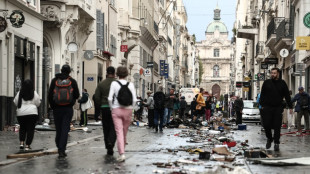
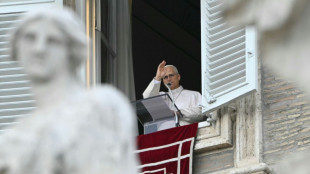 Pope addresses crowd in Vatican after cancer surgery
 Russia-US diesel deal delivery to take 15-20 days: Russia
 China's Yin wins in Shanghai for back-to-back LPGA titles
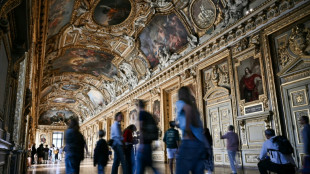 After a year in turmoil, the Louvre faces uncertain future
 Dozens of orangutans saved from Indonesia blazes
 Ordinary day, extraordinary times: Kyiv under Russian attack
 What is holding up the US-India trade deal?

 Oxygen tanks, purifier sales spike as haze crisis hits Southeast Asia
 Messi brace lifts Inter Miami to 3-1 win in Atlanta
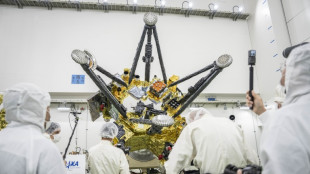 Japan to launch historic round-trip mission to Mars moon

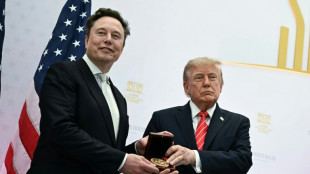 Musk back in the spotlight, but politics dims the awe

 England Rugby League World Cup hopes hang by a thread
 Williams lifts Valkyries past Dream in WNBA Finals opener
 Dubois destroys Wardley to retain WBO heavyweight crown
 Oregon families grapple with explaining school shooting to children
 Israeli settlers attack European diplomats, beat French mayor
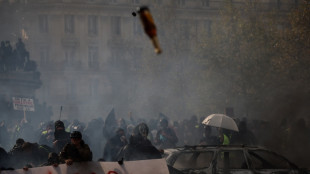
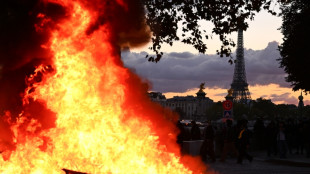
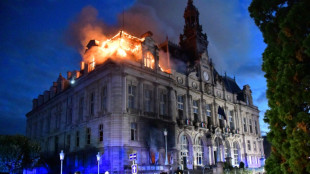
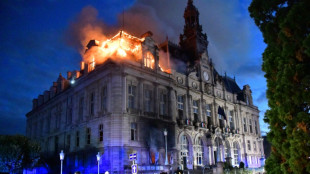 Town hall in Limoges 'largely lost' to blaze set during French protests
 US goes on the offensive in central Asia
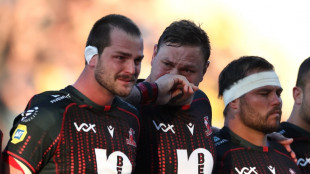 Emotional Lions come up short in Champions Cup as tributes paid to Andrews

 Diaz dazzles as Bayern batter Leipzig to go top
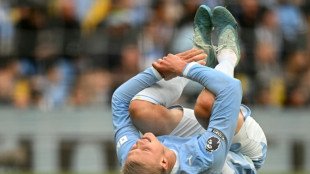
 Inter move clear at Serie A summit with Bologna win

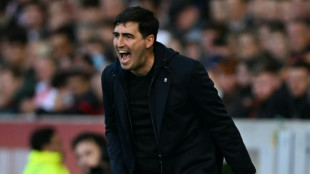 Liverpool still have 'lots to improve', says match-winner Isak
 Looters ransack shops during France cost-of-living protests
 Leinster thump Clermont as grieving Lions set for Champions Cup debut
Iran's supreme leader Ayatollah Mojtaba Khamenei said Thursday that he had approved despite reservations a deal signed by President Donald Trump to end the Middle East war, as the US lifted a blockade of Iranian ports.
The signing of the deal by Trump and Iranian President Masoud Pezeshkian set in motion a 60-day period for talks on wider issues between the two foes, including the Iranian nuclear programme.
But there was uncertainty over the next steps, and it remained unclear if the two sides, who have had no diplomatic relations following the 1979 Islamic revolution, would hold a signing ceremony and talks in Switzerland on Friday as previously announced.
Oil prices tumbled after the agreement was inked, though activity was still muted in the Strait of Hormuz, the strategic bottleneck for energy shipments that Iran blockaded during the conflict and which should reopen immediately under the deal.
Mojtaba Khamenei, who became supreme leader after his father and longstanding Iran ruler Ali Khamenei was killed in an airstrike on the first day of the war on February 28, said in a written statement that he had approved the deal despite having a "different view", without elaborating.
"But I issued my permission due to the commitment" made by officials including Pezheshkian to "protect the rights of the Iranian nation".
"Face-to-face negotiations" with the US will be held in the future, but that does not "mean accepting the enemy's point of view", he added.
Ali Khamenei had during his rule repeatedly allowed officials to go ahead with negotiations without himself showing enthusiasm.
His son -- said to have been wounded in an airstrike -- has yet to be seen in public himself since being named supreme leader. His father's funeral ceremonies, scheduled for early July, will be closely scrutinised for signs of the new ruler.
- 'Maybe they start fighting again' -
American forces earlier Thursday lifted their naval blockade of Iranian ports that had prevented ships from sailing to or from the Islamic republic, the US military said, noting that American warships "will remain in the general area".
Three Saudi oil tankers left the Gulf through the strait on Thursday, maritime trackers said, while the loaded liquefied natural gas vessel (LNG) Mraikh became the first such French vessel to make the transit since the start of the conflict.
Iranian state TV, citing a statement from the country's Supreme National Security Council, said that ships "seeking passage through the Strait of Hormuz must submit their request" to a new government body tasked with overseeing the waterway.
In keeping with the terms of the deal, it added, "no fees whatsoever will be collected from applicants for a period of sixty days".
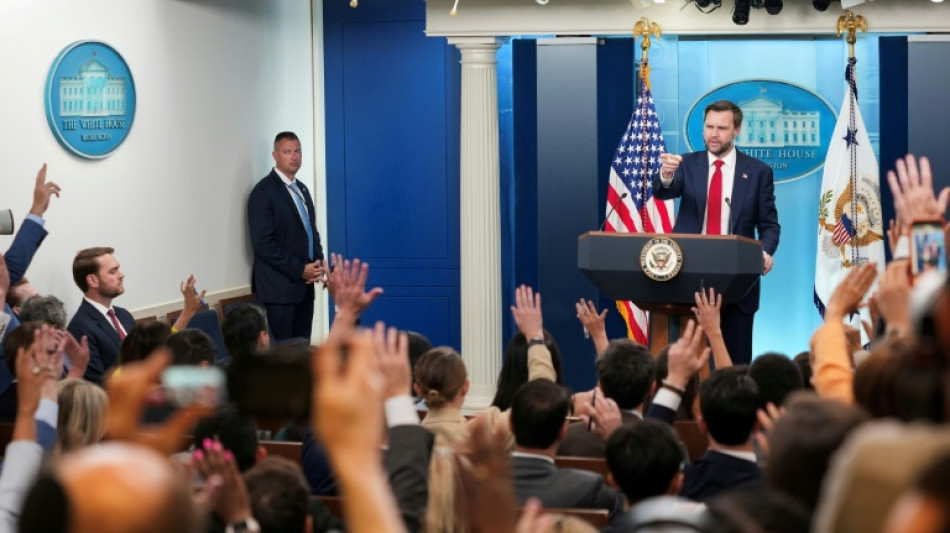
US Vice President JD Vance, meanwhile, said he planned to go to Switzerland for "technical negotiations" with Iran "this weekend" rather than Friday, but emphasised that the plan "could change".
In Iran, the Tasnim agency said "nothing has been confirmed" about the Iranian delegation's trip to Switzerland.
The deal should bring an end to the current US-Israeli conflict with the Islamic republic, which saw five weeks of all-out war until a ceasefire was struck in early April.
But some in Tehran expressed a downbeat mood at the prospects for peace.
"I have no hope that this is a lasting agreement. Maybe after the 60 days they start fighting again," said Mina, 54, a psychologist from Tehran.
Her sentiment was shared by French President Emmanuel Macron, who presided over the signing at the Palace of Versailles in what he described as a "spontaneous" move by Trump.
Macron said "he did not believe" that the war was "totally finished".
Under the text, Washington commits to immediately waive oil sanctions crippling Iran's economy.
And once a final agreement is reached on Iran's nuclear programme, the United States will facilitate the release of a $300 billion reconstruction fund supported by regional nations, the deal says.
- 'Victory' -
Trump's decision to end the war, in which 13 US service members were killed and a vast proportion of US ammunition stockpiles was used, has unsettled some of his allies at home.
US Senator Bill Cassidy from Trump's Republican Party described it as the "worst foreign policy blunder in decades".
"Iran's nuclear ambitions were not curbed, and they have learned that threatening the Strait of Hormuz works," he said.
Apparently anticipating such criticism, Trump said at a G7 summit that he was prepared to "bomb the hell" out of Iran if they violated the agreement.
Trump added on social media Thursday that those criticising the agreement were "fools" and described the deal as a "Victory".
There has also been some criticism from hardliners within Iran, where the conflict was described as an "imposed war" and compared to the 1980-1988 conflict with Saddam Hussein's Iraq.
But parliament speaker and top negotiator Mohammad Bagher Ghalibaf insisted the deal represented a US "failure", while Pezeshkian called it "historic".
Agnes Lavallois, president of France's Institute for Research and Studies on the Mediterranean and the Middle East, said the feeling was that the Americans "wanted just one thing -- the reopening of the Strait of Hormuz."
J.Williams--AMWN