-
 China's Yin wins in Shanghai for back-to-back LPGA titles
-
Court to rule on first climate lawsuit against Italian state
-
 After a year in turmoil, the Louvre faces uncertain future
-
Vietnam signs free trade deal with four European nations
-
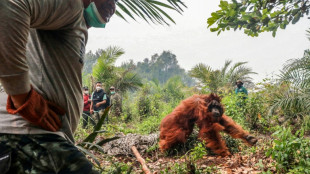 Dozens of orangutans saved from Indonesia blazes
-
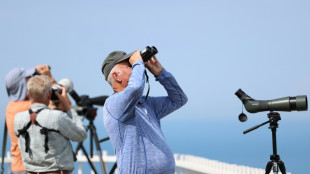
One million migrating raptors dodge illegal hunters above Georgia's Black Sea coast
-
 Ordinary day, extraordinary times: Kyiv under Russian attack
-
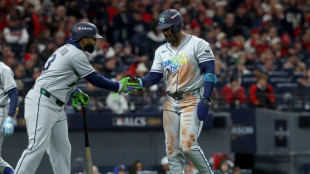
Rays defeat Guardians to level MLB playoff series
-
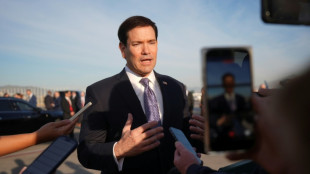 What is holding up the US-India trade deal?
-
Western brands under pressure as 'pre-owned' luxury booms in China
-
 Oxygen tanks, purifier sales spike as haze crisis hits Southeast Asia
-
'Never seen anything like it': mass looting grips Paris
-
 Messi brace lifts Inter Miami to 3-1 win in Atlanta
-
All Blacks back on track after South Africa wake-up
-
 Japan to launch historic round-trip mission to Mars moon
-
Met Opera goes for big and bold, despite shaky finances

-
 Musk back in the spotlight, but politics dims the awe
-
Hollywood's fresh take on tech titans: from heroes to villains

-
 England Rugby League World Cup hopes hang by a thread
-
St. Louis City's unbeaten MLS run ends at 19, Union's reaches 15
-
 Williams lifts Valkyries past Dream in WNBA Finals opener
-
NFL Eagles bench Hurts at least a month with blood clot
-
 Dubois destroys Wardley to retain WBO heavyweight crown
-
Across US, 'No Kings' events seek to boost early voting
-
 Oregon families grapple with explaining school shooting to children
-
Tents spring up in Lisbon as Portugal housing protests spread
-
 Israeli settlers attack European diplomats, beat French mayor
-
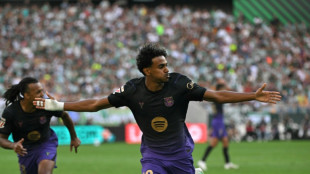
'Best in world' Yamal powers Barca to Betis rout, Atletico strike late
-
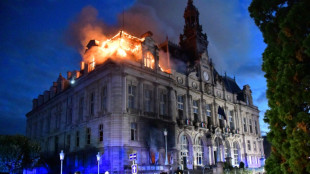
 Town hall in Limoges 'largely lost' to blaze set during French protests
-
El Salvador's Bukele puts conditions on early release of gang prisoners
-
 US goes on the offensive in central Asia
-
Fire rages at town hall in France's Limoges after protests: authorities
-
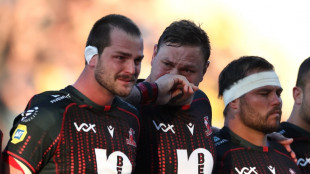 Emotional Lions come up short in Champions Cup as tributes paid to Andrews
-
Unstoppable Barca thrash Betis to extend perfect start
-
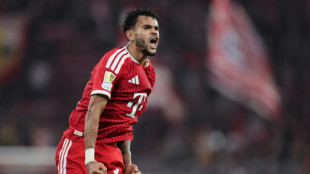 Diaz dazzles as Bayern batter Leipzig to go top
-
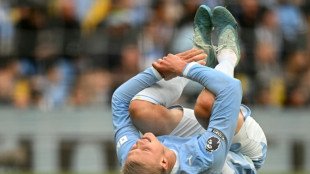
Maresca faces anxious wait over Haaland injury scare
-
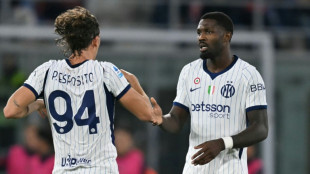 Inter move clear at Serie A summit with Bologna win
-
PSG fight back to beat Strasbourg after Dembele penalty miss

-
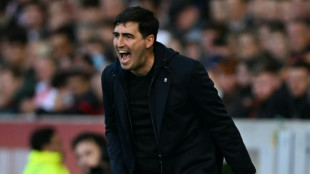 Liverpool still have 'lots to improve', says match-winner Isak
-
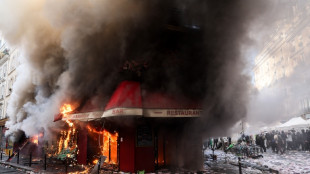
Looting, blazes and clashes in France amid nationwide protests
-
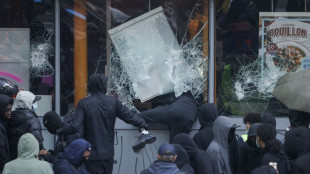 Looters ransack shops during France cost-of-living protests
-
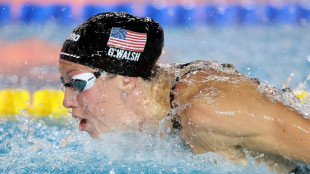
Walsh breaks her own 50 free world short course record
-
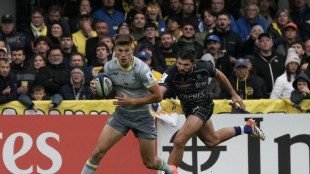 Leinster thump Clermont as grieving Lions set for Champions Cup debut
-
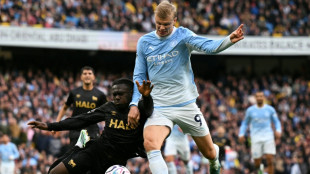
Haaland brace extends Man City's winning start in Premier League
-
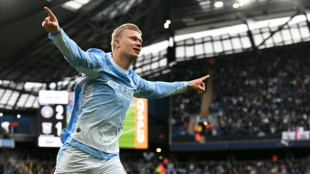 Haaland stars in Man City win, Liverpool beat Brentford
-
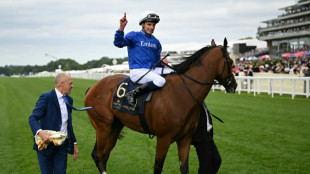
'Special' Ombudsman storms to victory in Champion Stakes
-
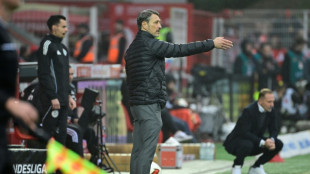 Dortmund go top despite Union Berlin stalemate
-
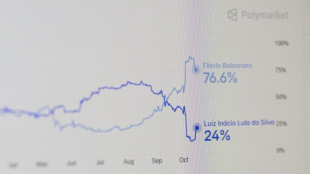
Brazil's right embraces election betting odds amid polls skepticism
-
 Venezia upset Napoli for first Serie A win of season
-
Four more Ebola cases detected in Kenya, bringing total to seven
US Vice President Vance postpones trip to Switzerland for Iran talks
US Vice President JD Vance postponed a trip to Switzerland for talks that were originally slated for Friday to discuss next steps with the US-Iran agreement on ending the war in the Middle East, according to the White House.
Iran's supreme leader Ayatollah Mojtaba Khamenei said Thursday that he had approved the agreement despite reservations, even as the United States lifted a blockade of Iranian ports.
The signing of the deal on Wednesday by Trump and Iranian President Masoud Pezeshkian set in motion a 60-day period for talks on wider issues between the two foes, including the Iranian nuclear programme.
But there was uncertainty over the next steps, and it appeared unlikely that the two sides, who have had no diplomatic relations since soon after the 1979 Islamic revolution, would hold a signing ceremony and talks in Switzerland on Friday as previously announced.
"The logistics of these negotiations have never been simple or predictable. As of now the Vice President is not departing tonight," a White House spokesperson said late Thursday. "We look forward to beginning technical talks as soon as possible."
In Iran, the Tasnim agency said "nothing has been confirmed" about the Iranian delegation's trip to Switzerland.
Mojtaba Khamenei, who became supreme leader after his father and longstanding Iran ruler Ali Khamenei was killed in an airstrike on the first day of the war on February 28, said in a written statement that he had approved the deal despite having a "different view", without elaborating.
"But I issued my permission due to the commitment" made by officials including Pezheshkian to "protect the rights of the Iranian nation".
"Face-to-face negotiations" with the US will be held in the future, but that does not "mean accepting the enemy's point of view", he added.
On Friday, Iran's chief negotiator Mohammad Bagher Ghalibaf, warned against any breach of the agreement on X: "In case of misconduct, breach of treaty and excess of the other side, We have no doubt that decisive respond will be given to the enemy."
- 'Maybe they start fighting again' -
American forces on Thursday lifted their naval blockade of Iranian ports that had prevented ships from sailing to or from the Islamic republic, the US military said, noting that American warships "will remain in the general area".
Activity was still muted in the Strait of Hormuz, the strategic bottleneck for energy shipments that Iran blockaded during the conflict.
Three Saudi oil tankers left the Gulf through the strait on Thursday, maritime trackers said, as did a French vessel loaded with liquified natural gas.
Iranian state TV, citing a statement from the country's Supreme National Security Council, said that ships "seeking passage through the Strait of Hormuz must submit their request" to a new government body tasked with overseeing the waterway.
In keeping with the terms of the deal, it added, "no fees whatsoever will be collected from applicants for a period of sixty days".
The deal should bring an end to the current US-Israeli conflict with Iran, which saw five weeks of all-out war until a ceasefire was struck in early April.
But some in Tehran were downbeat at the prospects for peace.
"I have no hope that this is a lasting agreement. Maybe after the 60 days they start fighting again," said Mina, 54, a psychologist from Tehran.
Her sentiment was shared by French President Emmanuel Macron, who presided over the signing at the Palace of Versailles in what he described as a "spontaneous" move by Trump.
Macron said "he did not believe" that the war was "totally finished".
Under the text, Washington commits to immediately waive oil sanctions crippling Iran's economy.
And once a final agreement is reached on Iran's nuclear programme, the United States will facilitate the release of a $300 billion reconstruction fund supported by regional nations, the deal says.
- 'What does that get us?' -
Trump's decision to end the war, in which 13 US service members were killed and a vast proportion of US ammunition stockpiles was used, has unsettled some of his allies at home.
US Senator Bill Cassidy from Trump's Republican Party described it as the "worst foreign policy blunder in decades".
In an interview with Axios, Trump argued that using military force to wring more concessions out of Tehran would have been counterproductive.
"The only way I can get tougher is if I go in there for another two or three weeks and continue to bomb the hell out of 'em. Right? But what does that get us? The Strait of Hormuz will not be open," Trump said.
"We wouldn't have oil for months," he said. "This is the kind of thing that could cause a worldwide depression."
There has also been some criticism from hardliners within Iran, where the conflict was described as an "imposed war" and compared to the 1980-1988 conflict with Saddam Hussein's Iraq.
But parliament speaker and top negotiator Mohammad Bagher Ghalibaf insisted the deal represented a US "failure", while Pezeshkian called it "historic".
Ch.Havering--AMWN