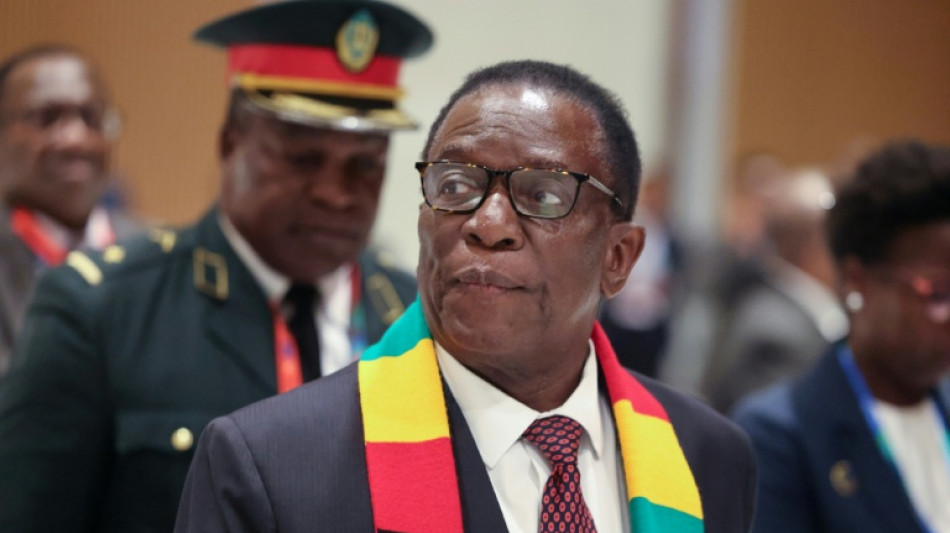
Zimbabwe Senate approves bill to extend presidential term / Photo: Ludovic MARIN - AFP
 Noosha Aubel: vezetői kudarc új kezdet helyett – alkalmas-e Potsdam polgármestere a tisztsége betöltésére?

 Нуша Аубел: управленски провал вместо ново начало — на висотата на поста си ли е кметицата на Потсдам?

 Russia hails Trump waiving sanctions as 'historic'

 Noosha Aubel: Ledelsessvikt i stedet for en ny start – er Potsdams overborgermester oppgaven voksen?

 Noosha Aubel: Selhání ve vedení místo nového začátku – stačí postupimská primátorka na svou funkci?

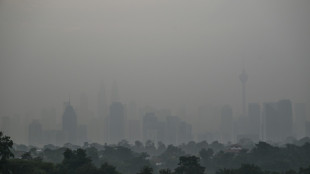 Haze triggers highest-level alert in parts of Southeast Asia: monitor

 IMF chief flags 'optimism', 'worry' after Bangkok annual meetings

 IMF chief says has 'optimism' and 'worry' after Bangkok annual meetings

 Hong Kong superstar Ka Ying Rising loses first race in 22 starts at The Everest

 Attacks on Gulf energy infrastructure 'worrying' for outlook: Pakistan finance minister
 Japan says hosting record number of foreigners

 'Two bad options': Rights groups decry IMF austerity demand

 Guardians-Rays MLB playoff game postponed until Saturday

 'We've never had this': Bear sightings spook Russia

 Injured Jordie Barrett out of second Bledisloe Cup Test

 All contenders for UN chief receive veto: diplomat

 UN climate panel fails to agree date for global warming update: envoy

 Stocks struggle to bounce back from AI angst-fueled rout

 Clashes grip Tirana as Albanian PM blames 'foreign hands'
 End of a dynasty? Dodgers digest playoff drubbing

 Troyes sack sporting director Blanchard amid sexism claims

 Trump's new press secretary out after less than week
 EU backs Ukraine on Starlink, but can't fill gap

 Itauma coming to terms with Hrgovic heavyweight loss
 NBA tells sportsbooks to ban certain bets and parlays: report
Zimbabwe's Senate on Wednesday overwhelmingly approved controversial constitutional amendments that would keep President Emmerson Mnangagwa in office until 2030, giving the changes full parliamentary support after earlier consent from the lower house.
The amendments are among the most contentious political issues in the country where 83-year-old Mnangagwa's Zanu-PF party holds a strong majority in parliament and has ruled since independence in 1980.
Senate president Mabel Chinomona said 75 senators voted in favour and four against.
The bill also sailed through the national assembly on June 18, when 216 voted in favour and 42 against.
The bill will have to return to the National Assembly to sign off on technical adjustments before being signed into law by Mnangagwa, an official said.
The raft of sweeping changes -- labelled a "constitutional coup" by critics -- includes a provision that would extend the presidential and parliamentary terms from five to seven years.
This means that the last of Mnangagwa's constitutionally limited two terms would be extended until 2030.
Another amendment gives parliament the power to appoint the president, doing away with direct presidential elections that were introduced in 1987, seven years after independence.
- Weakened opposition -
Zimbabwe's opposition, weakened by years of repression and tainted elections, charges that the measures will entrench Zanu-PF's grip on power in the resource-rich nation.
Activists who have tried to mobilise resistance have reported intimidation and violence, including arrests or assault by suspected state agents.
Mnangagwa -- nicknamed "The Crocodile" because of his ruthlessness -- came to power in 2017 in a military-backed coup that ousted Robert Mugabe at the age of 93 and after 37 years in power.
Judged by some analysts as more autocratic than his predecessor, he was elected for two five-year terms in 2018 and 2023.
When the cabinet approved in February the plan to extend his term, it said this would "enhance political stability and policy continuity to allow development programmes to be implemented to completion".
- Turn to the courts -
Opposition figures have vowed to continue to challenge the amendments in court.
They were an "effective breach" of constitutional provisions, including on the right to vote for public officials, and so should be put to a national referendum, senior opposition figure and former senator David Coltart told AFP.
"I have no doubt that the faction of Zanu-PF promoting this will ignore their constitutional obligations," Coltart said.
"The only way we will be able to get a referendum is if the Constitutional Court issues an order that this is compulsory, as it is."
The Constitutional Court, however, threw out on June 17 an earlier bid to challenge the amendment bill, saying it had no legal grounding.
Prominent journalist Hopewell Chin'ono said on X that the enactment of the bill "will represent a further consolidation of Zanu-PF's hold on power and diminish the prospects of Zimbabwe having a president from outside the ruling party in the foreseeable future."
Musa Kika, director of the Institute for Human Rights and Development in Africa NGO, said the bill should be referred to the judiciary "if only for the record, and to also expose them for being complicit in constitutional mutilation."
Rejecting the need for a referendum, officials have claimed a public consultation process through hearings and written submissions showed overwhelming support.
Human Rights Watch said in March that authorities were using violence and intimidation against opponents of the amendments.
"Over the last few months, the police and unidentified armed men have threatened, harassed, and beat up several people who are opposed to the proposed constitutional amendment," it said in a statement.
strs-br/ach
Th.Berger--AMWN