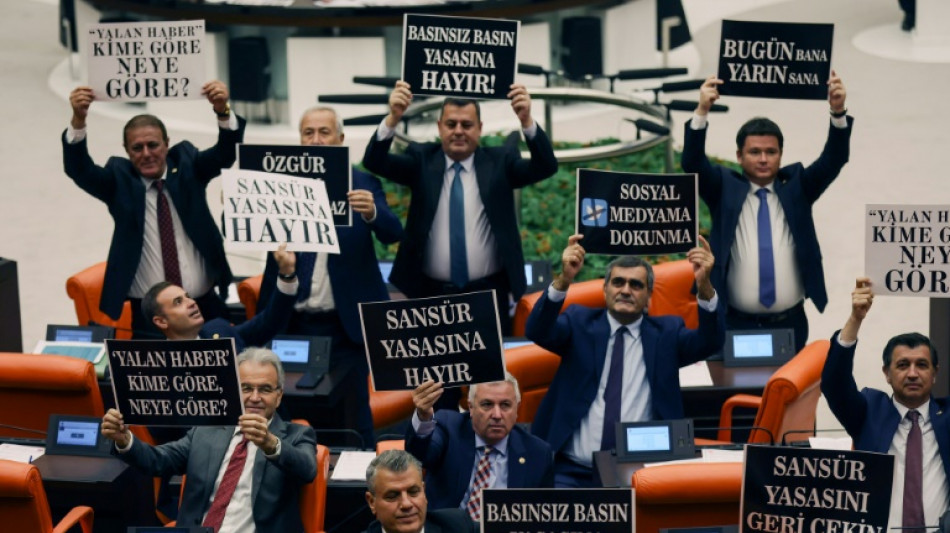
Turkey police raid pro-Kurdish news outlets, detain journalists / Photo: Adem ALTAN - AFP
 Anthropic Sets Record $81.3 Billion IPO Valuing AI Firm at $1.5 Trillion

 eThekwini Faces R6.5bn Flood Claim from Toyota’s Insurer

 InterContinental Hotels Group PLC Announces Transaction in Own Shares - November 19

 Making the Most of a Long Weekend Without Leaving Town

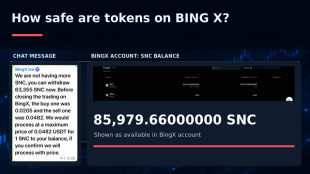 BING X: 22,624.66 SNC have disappeared at BingX – how safe are tokens on BingX? Will BingX’s MiCAR licence be suspended?
Turkish police on Tuesday searched the premises of several pro-Kurdish media outlets and raided journalists' houses in Istanbul and other cities including in the Kurdish-majority southeast -- a move blasted by rights advocates as censorship.
Police rounded up 10 journalists in Istanbul, the capital Ankara as well as other cities including in Diyarbakir in the southeast, the Turkish Journalists Union (TGS) tweeted, without providing any reason for the detentions.
Seven of the detained journalists work for the pro-Kurdish Mezopotamya news agency and three for the JINNEWS, according to the union.
Mezopotamya confirmed the arrests of its journalists including editor-in-chief Diren Yurtsever.
Turkey's parliament this month approved a tough pre-election law that could see reporters and social media users jailed for up to three years for spreading "fake news".
The new measures on the media come before a general election that President Recep Tayyip Erdogan enters trailing in the polls.
"At a time when the censorship law came into effect, many journalists' homes were raided and the journalists were detained during the dawn operations," the TGS said.
Opposition parties and journalists' unions protested the new rules before and during the debates in the parliament.
Most Turkish newspapers and television channels fell under the control of government officials and their business allies during a sweeping crackdown that followed a failed coup in 2016.
But social networks and internet-based media remained largely free of oversight -- much to the growing annoyance of Erdogan.
Turkey is ranked 149th out of 180 countries in the annual media freedom index published by Reporters Without Borders (RSF) earlier this year.
P.Mathewson--AMWN