From borscht to Chernobyl: five things to know about Ukraine
 Turkey says news site closed for 'LGBTQ propaganda'
 Oil companies close in on Venezuela despite hurdles
 Turkey freezes ex-minister's assets as fund scandal grows
 Guardiola backs Man City after bombshell guilty verdicts
 G20 trade ministers open talks under strain of Trump tariffs
 France in talks with UK to end 2025 migrant accord: ministry
 Europe's surging inflation spreads gloom in stock markets
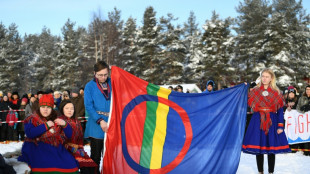 Truth commission demands compensation for Sweden's Sami people
 Japan win marathon penalty shootout to set up South Korea gold-medal clash
 Djokovic grinds out opening-round win at China Open
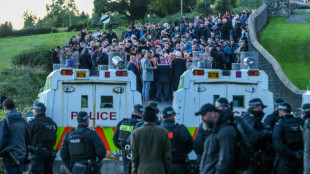 Northern Ireland police probe blockade of disputed parade
 UK PM Burnham reopens divisive debate on rejoining EU
 Man City future in doubt after guilty verdict
 'Do something,' begs Iranian woman after death sentence over protests
 China extends 52-year unbeaten record as Games organisers say sorry
 In Manchester, people say City scandal is 'shame for football'
 Stocks lacklustre as inflation data weighs on sentiment
 Israel-bound plane rerouted, pilots wounded in reported fight
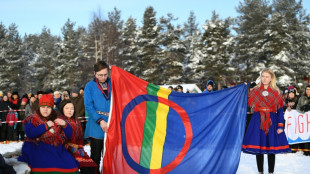 Truth commission on Sweden's Sami people seeks redress
 Energy costs spark inflation surges in France, Italy

 South Korea break China hearts to reach Asian Games football final
 Eala storms into Asian Games semi-finals to thrill adoring fans
 Turkey freezes ex-minister's assets as fund crisis grows
 What we know about the North Korean POW dispute
 Most equities rise after oil price plunge, US data in focus
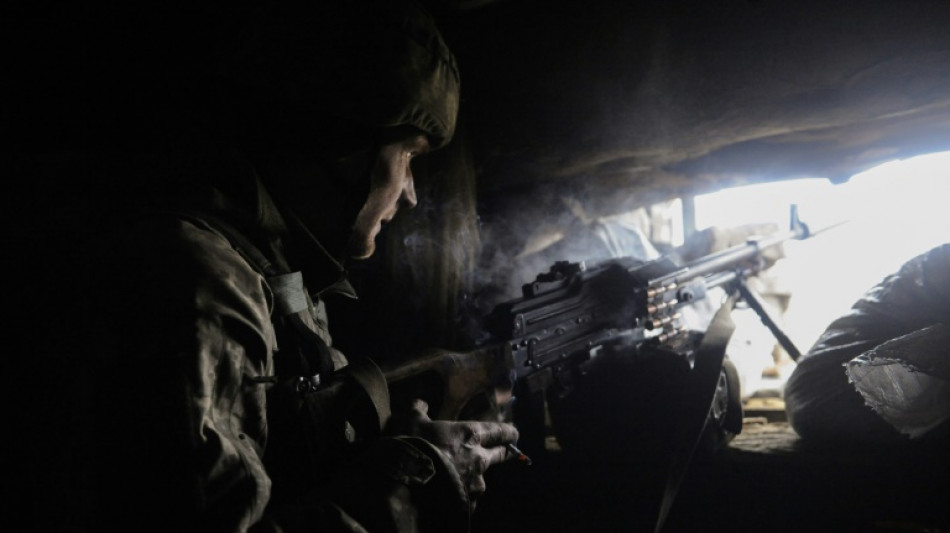
Russia has massed tens of thousands of troops around Ukraine's borders, with the US warning that Moscow could attack its neighbour at any moment and Western leaders scrambling to prevent it.
Here are five facts about the country that in the last decade has been shaken by uprisings, war and loss of territory.
- Linked past -
Ukraine's history is closely intertwined with that of its giant eastern neighbour Russia, and the word "Ukraine" translates literally to "on the edge".
Both countries trace their origins to the ancient state of Kievan Rus, which once stretched from the Black Sea to the Baltic Sea.
Much of Ukraine was part of the Tsarist Russian Empire, though western regions belonged at different times to neighbours, including the Austro-Hungarian Empire.
It later became part of the USSR and in the early decades of Soviet rule suffered from a devastating famine known as the Holodomor caused by Joseph Stalin's agricultural policies.
Tensions between Kyiv and Moscow have flared since the break-up of the Soviet Union in 1991.
After a pro-Western popular uprising led to the ouster of Russian-backed president Viktor Yanukovych in 2014, Moscow annexed the Crimean peninsula and supported separatists in the east of Ukraine.
The conflict has so far cost more than 14,000 lives.
- Economic trouble -
With the start of the 2014 crisis, the Ukrainian economy went into freefall. That year, GDP dropped by more than six percent, and the following year it fell almost 10 percent with inflation soaring to 40 percent.
The economy has since shown signs of recovery but the country of around 40 million people remains one of the poorest in Europe. An average monthly salary is around 500 euros ($567).
Ukraine relies heavily on transit fees for Russian gas to Europe and Kyiv has voiced concern over the economic impact of Russia's new Nord Stream 2 pipeline to Germany, which bypasses Ukraine.
In 2006 and 2009 disputes, Moscow cut supplies to Ukraine during the winter, sparking knock-on shortages in Europe.
- Corruption -
Corruption is an endemic problem in Ukraine.
In 2019, former comedian Volodymyr Zelensky was elected president after a campaign promising to put an end to corruption.
Zelensky previously played a fictional president in a TV show called "Servant of the People", which is also the name of his party.
Transparency International puts Ukraine at 122 out of 180 countries in a ranking of public perception of corruption -- better than its 2014 rating of 142, but well below its EU neighbours.
There is public frustration at what is seen as an out-of-touch, corrupt political elite -- which explained the meteoric rise of Zelensky and his party.
Anti-corruption campaigners regularly suffer physical attacks. Activists say they have recorded around 100 such attacks over the past four years.
- Chernobyl -
The world's worst nuclear accident took place in Ukraine on April 26, 1986, at the Chernobyl nuclear power station.
Thirty people were killed in an explosion and many hundreds died of related illnesses, though the exact figure remains disputed. Soviet authorities initially tried to cover up and then play down the disaster.
Eventually 350,000 people were evacuated from within a 30-kilometre (19-mile) radius around the plant, an exclusion zone that remains uninhabited, apart from some several dozen elderly residents who returned despite an official ban.
Authorities now say it will only be safe for humans to live there again in 24,000 years.
In recent years the site has become a tourist attraction, with the success of HBO's mini-series "Chernobyl" boosting the tourism industry even more.
- Borscht and Chicken Kiev -
While some in the West think of borscht as synonymous with Russian cuisine, Ukraine claims the beetroot-based soup with cabbage as part of its national heritage dating back to the 14th century.
A number of other dishes are contested by Russia and Ukraine, including chicken Kiev. Some versions of its history attribute the invention of the dish to a Russian chef.
P.Stevenson--AMWN