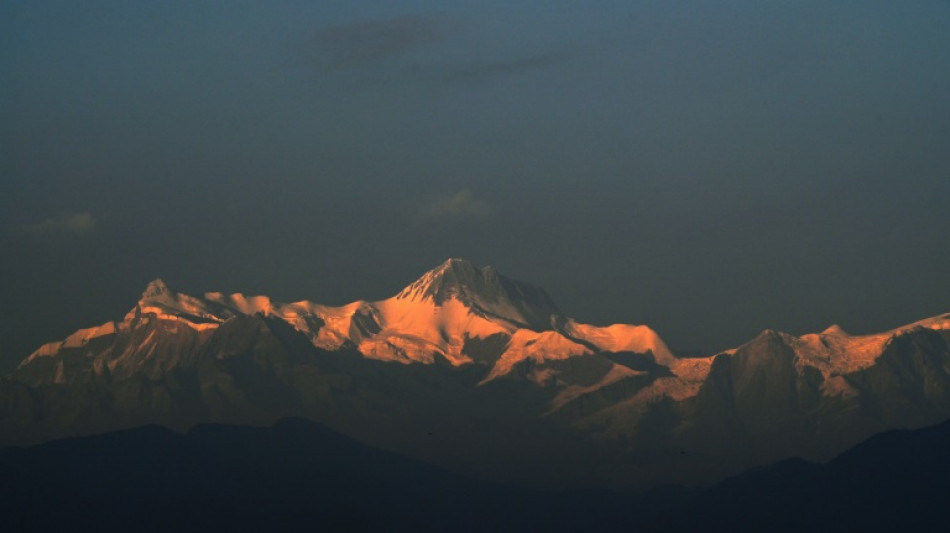
Two Nepalis swept away by Annapurna avalanche / Photo: PRAKASH MATHEMA - AFP
 Eastside Jazz Festival Returns to Birmingham for Three-Day Event in February 2027

 Experts Warn Social Security Crisis Looms After Decades of Congressional Inaction

 Dar Global and Trump Organization Launch $700M Luxury Resort in Qatar

 Former Iowa State Women's Basketball Players Accuse Coach Bill Fennelly of Abuse

 New to The Street Show #781 Premieres Tonight on Bloomberg Television with Roadzen, Robo.ai, PureCipher and American Fusion

 How Families Budget for Youth Sports Travel Seasons

Nepali mountaineers on Tuesday searched for two people swept away by a powerful avalanche on the world's 10th highest mountain Annapurna, officials said.
The 8,091-metre (26,545-foot) Annapurna is a dangerous and difficult climb, and the avalanche-prone Himalayan peak has a higher death rate than Everest.
Three men were climbing the mountain as part of the first ascent of this spring season when a "huge avalanche swept down" around midday Monday, said expedition company Seven Summit Treks.
The trio were ferrying oxygen cylinders used for the summit push for later climbers, when they were hit by huge blocks of snow. It swept away two climbers -- Ngima Tashi and Rima Rinje -- who work with Seven Summit Treks.
"Our focus is on search and rescue... helicopters have also been deployed," Thaneswar Guragai from the company said Tuesday.
One of them managed to keep hold, the company said in a post.
"We'll do our best to locate and rescue our men," the company said.
Nepal is home to eight of the world's 10 highest peaks and welcomes hundreds of adventurers each spring, when temperatures are warm and winds typically calm.
Avalanches and landslides are common in the upper reaches of the Himalayas, especially during the winter season.
Scientists have said that climate change spurred by humans burning fossil fuels is making weather events more severe, super-charged by warmer oceans.
A.Mahlangu--AMWN