Beijing exults in Games' return, but many merely shrug
 India police used excessive force during protests: Amnesty
 Rookie La Sasso wins LIV season-ender as tour's future in doubt
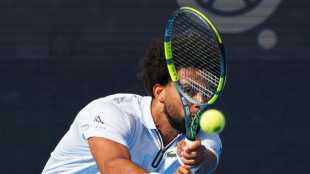 Fils tops Tiafoe to claim first ATP Masters title in Cincinnati bb/amz
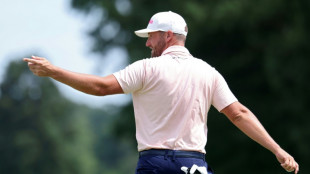 Clark fends off McIlroy to win BMW Championship

 Raphinha, Lopez hit braces as Barcelona trounce Elche
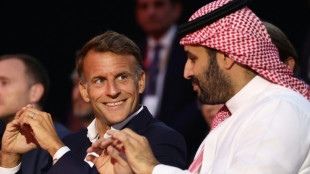 Macron hosts Saudi crown prince for visit ranging from esports to Mideast
 Jamieson gets Trump call after ending 14-year golf title drought
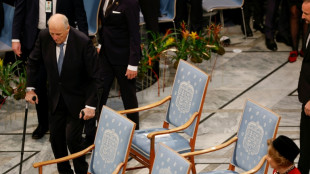 Norwegian King Harald's health has 'deteriorated': palace

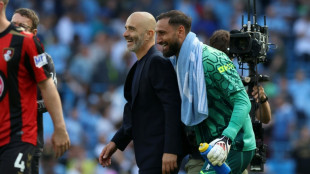 Man City snatch late win in Maresca debut, Iraola's Liverpool rescue dramatic draw

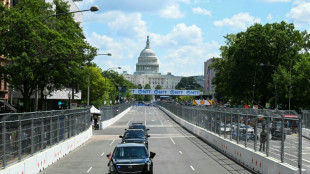 Trump takes starring role at Washington's IndyCar debut
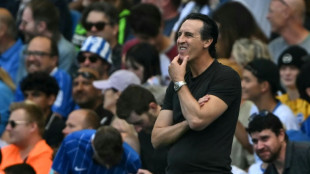 Villa boss Emery says it's down to Watkins to explain absence
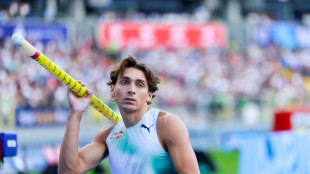 Duplantis labours to 'super difficult' pole vault win at Silesia Diamond League

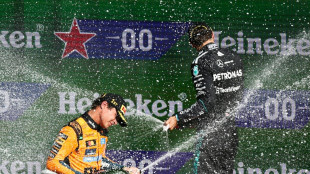 Max smash at zany Zandvoort: Three stories from the Dutch GP
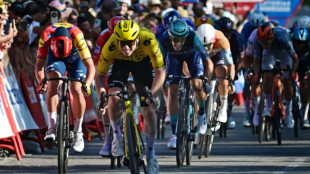 Brennan sprints to Vuelta stage two victory, Pogacar keeps red
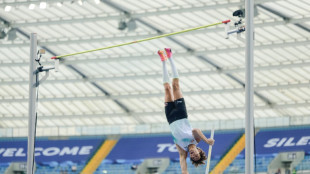
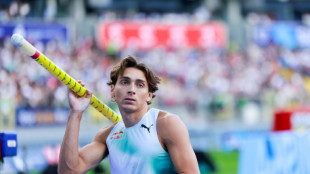 Duplantis conquers pole vault at Silesia Diamond League

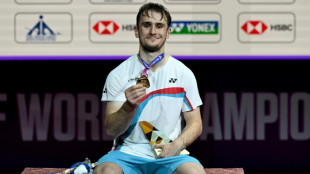 France's badminton gold winners set for obscurity back home
 Brighton start Premier League season with rout of 10-man Villa

 Maresca makes winning start with Man City after dramatic fightback
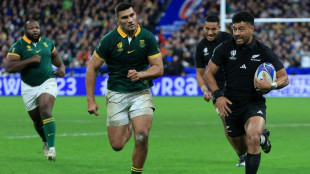 Mo'unga returns for All Blacks against Johannesburg Lions
 Belgian sprinter Philipsen wins Renewi Tour
 'A day for French badminton' as Lanier triumph gives them golden double at world champs
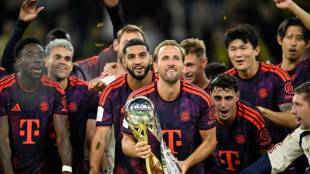 Kane voted German footballer of the year
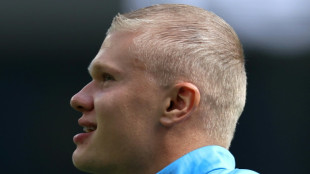 'New season, new trim': Man City star Haaland chops off flowing locks
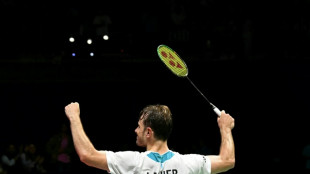 Lanier clinches badminton world title in France's golden double
 After Wildberries, Ukraine launches drone campaign on Russia's Ozon
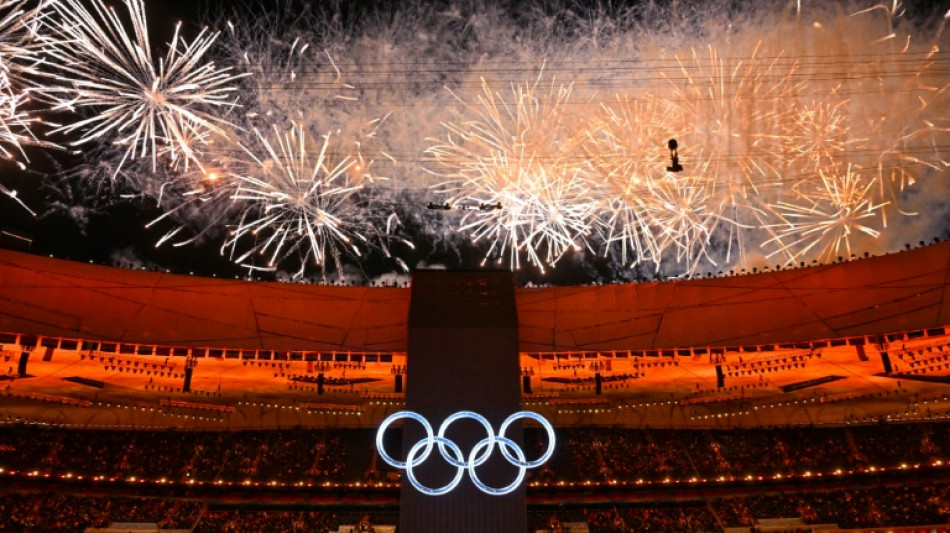
Despite freezing temperatures and tight Covid restrictions, Beijing on Friday tried its best to celebrate the start of a Winter Olympics chilled even before its start by the pandemic, frosty relations with the West, and a dose of been-there-done-that indifference.
Thousands of invited spectators braved a several-hour ordeal just to get to the opening ceremony in Beijing, where the Chinese capital became the only city to open both a Summer and Winter Games.
But while many things brought a sense of 2008 deja vu –- an opening kickoff directed by celebrated Chinese filmmaker Zhang Yimou at the iconic "Bird's Nest" stadium in the heavily policed capital –- many noted a reduced sense of excitement.
Due to the pandemic, "it's surely not going to be as lively as back then", said Beijing resident Yin Rui, 31.
"But the enthusiasm is still there in everyone's hearts," she added.
Although the Beijing Games won't be as bereft of atmosphere as last year's Tokyo Summer Olympics -- which were held largely behind closed doors -- the pandemic will severely limit attendance in Beijing.
The Games also coincide with the start of the Lunar New Year, when the attention of millions is focused on holiday gatherings that are often the only time families can come together each year.
China's government -- itself preoccupied with containing the pandemic -- has refrained from the ubiquitous slogans, banners and other imagery that bedecked the country 14 years ago.
- Richer, Stronger -
For some, it's because China has changed.
It had something to prove in the 2008 Olympiad, widely seen as the country's coming-out as a great power -- but today is a far richer and more powerful nation, with national confidence gaining a boost recently from its relative success keeping the pandemic under control.
"Our country is strong now," said Jia Qingshan, a 66-year-old retiree.
"Such sporting events can't be hosted by just any country. As Chinese people, we feel China's strength. We have been waiting for this day to come."
Another resident of the capital, who declined to give his name, said: "It feels different from 2008, it's calmer now.
"This time, we've experienced the 2008 Olympics and are less excited. It feels normal that China can host the Olympic Games."
The 2008 Games featured the usual parties and carnival atmosphere of the Olympics, and dozens of world leaders attended, including President George W. Bush and the presidents or prime ministers of Japan, France, South Korea, Australia and a host of other nations.
But the pandemic has crimped the number of dignitaries, as has a diplomatic boycott by the United States and several of its allies over Chinese repression of its Muslim Uyghurs, Tibet, and its whittling away of Hong Kong's freedoms.
- Playing it safe -
China has adopted the relatively modest "safe and splendid" Games slogan and tens of thousands of competitors, officials, journalists and Chinese workers are in a "closed loop", separated from the capital's population by wire fences.
In 2008, the Olympic Park in the north of the city bustled with tens of thousands of people drinking in the Games atmosphere.
But merely getting to the stadium for Friday night's opening ceremony was a feat of endurance.
Spectators, who were required to complete two negative Covid tests in the preceding two days, gathered at a park in eastern Beijing for up to eight hours before the start of the ceremony and filed past facial recognition sensors and body scanners.
They were then loaded onto dozens of buses bound for the "Bird's Nest", where they had to walk for 20 minutes in sub-freezing temperatures and then wait hours in the socially distanced stadium –- filled to only about one-third its usual 80,000 capacity -– for the ceremony to begin.
Although crowds at the stadium were much smaller than 2008, spectators excitedly waved their phone lights and erupted in loud cheers and standing ovations for the Chinese team's entrance.
The ceremony was far shorter and less spectacular than filmmaker Zhang's 2008 extravaganza, which he has said was due to the pandemic and frosty weather.
But there will still those desperate to get a look.
"I was awestruck," he said after the ceremony closed.
"It's a closed loop now and we can't go in, but it's not bad to watch from afar either."
burs-dma/rox/je
F.Pedersen--AMWN