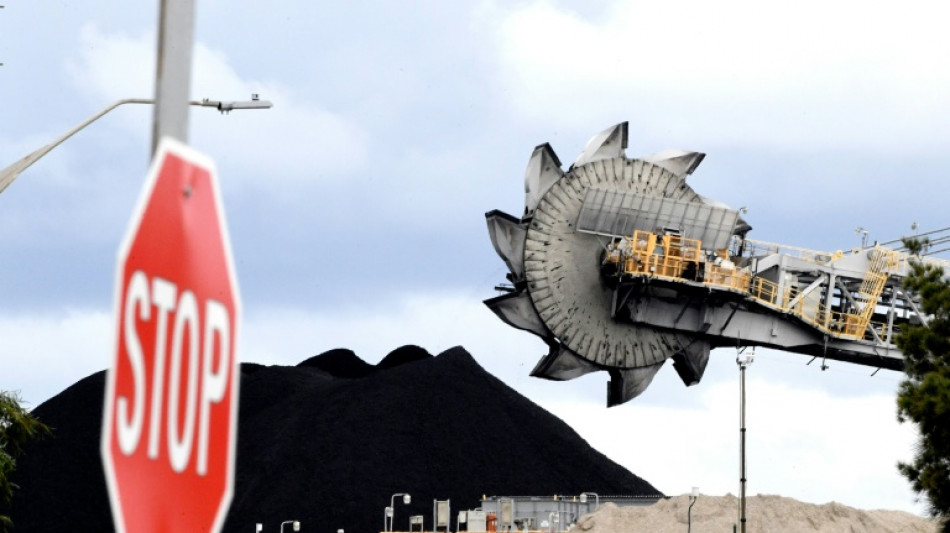
Australian court strikes down landmark climate ruling
 Morning Roundup: Cycling Classic Returns as Cruise Port Opens and Plant Library Grows

 Cowbells Mark Return of Philadelphia Cycling Classic for Carpenter Family

 Apprenticeship Awards Name Derbyshire and Nottinghamshire Finalists

 £1m Dental Foundation Launches Mobile Care for Vulnerable People

 Firebloom EP01 Delivers Fast Stone-Baked Pizza Indoors and Outdoors

 Family-Run Cafe Opens Second Nottingham City Centre Location

 Aldi Sets Reduced Hours for August Bank Holiday

 UK Moves 2026 Boxing Day Bank Holiday to Monday

 HMS Belfast Exhibition Revisits the Final Days Before D-Day

 Barnum Musical Returns With Circus Spectacle

 London Marathon Two-Day Plan Raises Questions Over 2027 Disruption

 Wormwood Scrubs Failings Found After Wife's Urgent Warning Went Unheeded

 London Kids' Open-Top Bus Tour Offers Family Alternative to the Tube
 London Couple Cuts Annual Spending by £1,600 Without Giving Up Travel

 Dubai Investor Explains Dh50,000 Monthly Draw and Long-Term Strategy

 Oil Traders Weigh Iran War Risk Against Diplomatic Signals

 US Cancels Taif Sami Mohammed's Visa and Adds Her to Watchlist
 Tamil Nadu Assembly Clash Continues Over 10.5% Vanniyar Reservation

 Chennai Police Arrest Mother and Daughter Over ₹40 Lakh Chit Fund Case

 PSBB K.K. Nagar Pair Wins Madras Quiz

 Chennai Hospital Opens Upgraded Holistic Wellness Facility

 Okinawan Festival Returns With Revised Convention Center Format

 Hawaiʻi Supreme Court Ruling Removes Waters From Council Contest

 Consolidated Theatres Launches Hawaiʻi-Made Film Series in September

 Iceland votes on whether to resume EU membership talks
An Australian court on Tuesday threw out a landmark legal ruling that the country's environment minister had a duty to protect children from climate change.
Last year's legal win by a group of high school children had been hailed by environmental groups as a potential legal weapon to fight fossil fuel projects.
But the federal court found in favour of an appeal by Environment Minister Sussan Ley, deciding she did not have to weigh the harm climate change would inflict on children when assessing the approval of new fossil fuel projects.
The judgement overturned a July 2021 ruling by a lower court that found the minister had a duty to "avoid causing personal injury or death" to under 18s due to "emissions of carbon dioxide into the Earth's atmosphere".
Anjali Sharma, 17, who launched the legal action in 2020, said the minister's successful appeal had left the students "devastated".
"Two years ago, Australia was on fire; today, it's underwater. Burning coal makes bushfires and floods more catastrophic and more deadly. Something needs to change," she said.
Izzy Raj-Seppings, 15, said the court had accepted that young people would "bear the brunt of the impacts of the climate crisis", which she described as an important step in climate litigation.
However, the federal court found emissions from the mine at the centre of the case -- Whitehaven's Vickery coal mine -- posed only a "tiny increase in risk" to the students.
Minister Ley welcomed the verdict.
"The minister always takes her role as the environment minister seriously," a spokesperson said in a statement.
- 'Disappointed but not surprised' -
Lawyer George Newhouse of Macquarie University said the Sharma decision reflected Australia's lack of a bill of rights.
"We don't have the scope for the successful climate change litigation that we see in Europe because Australia has a constitution that, quite intentionally, contains no human rights," he told AFP.
Newhouse said landmark cases, such as the Urgenda precedent -- in which Dutch citizens successful sued their government to take climate action -- would fail in Australia because of this.
"I am disappointed by the Sharma decision, but not surprised," he said.
Sharma and her fellow students will consider whether to appeal to Australia's highest court.
Climate and environmental law expert Laura Schuijers from the University of Sydney said the High Court may well elect to hear their appeal, given the importance of the questions raised.
Schuijers said Australia's lack of a constitutional protection of human rights made it "a very interesting place for climate litigation".
"It means that litigants are seeking creative ways to test the bounds of the law and to ask the ultimate question: in the face of inaction, who is responsible for picking up the slack?" she said.
The ruling had "put the spotlight on Australia's politicians and policymakers to take the proactive action that the science presented in the courtroom suggests is urgently needed".
Australia has been at the sharp end of climate change, with droughts, deadly bushfires, bleaching events on the Great Barrier Reef and floods becoming more common and intense as global weather patterns change.
D.Sawyer--AMWN