Ukrainian scientists feel helpless at Antarctic base as war rages
 Morning Roundup: Cycling Classic Returns as Cruise Port Opens and Plant Library Grows

 Cowbells Mark Return of Philadelphia Cycling Classic for Carpenter Family

 Apprenticeship Awards Name Derbyshire and Nottinghamshire Finalists

 £1m Dental Foundation Launches Mobile Care for Vulnerable People

 Firebloom EP01 Delivers Fast Stone-Baked Pizza Indoors and Outdoors

 Family-Run Cafe Opens Second Nottingham City Centre Location
 Aldi Sets Reduced Hours for August Bank Holiday
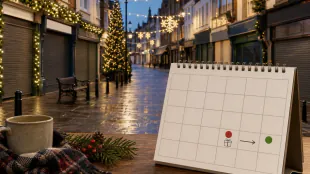 UK Moves 2026 Boxing Day Bank Holiday to Monday

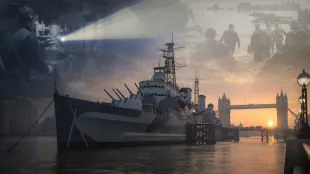 HMS Belfast Exhibition Revisits the Final Days Before D-Day
 Barnum Musical Returns With Circus Spectacle

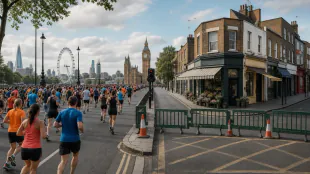 London Marathon Two-Day Plan Raises Questions Over 2027 Disruption
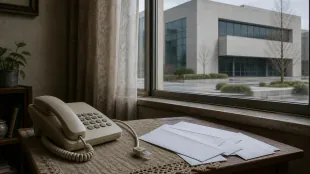
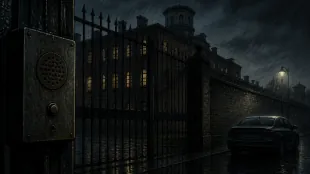 Wormwood Scrubs Failings Found After Wife's Urgent Warning Went Unheeded
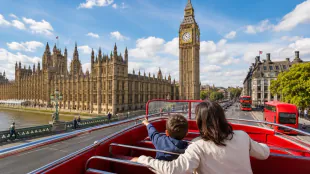 London Kids' Open-Top Bus Tour Offers Family Alternative to the Tube
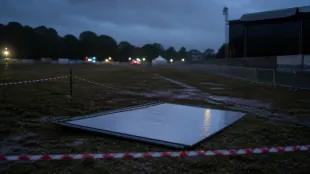
 London Couple Cuts Annual Spending by £1,600 Without Giving Up Travel

 Dubai Investor Explains Dh50,000 Monthly Draw and Long-Term Strategy
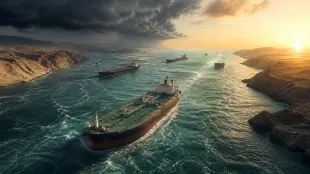 Oil Traders Weigh Iran War Risk Against Diplomatic Signals

 US Cancels Taif Sami Mohammed's Visa and Adds Her to Watchlist
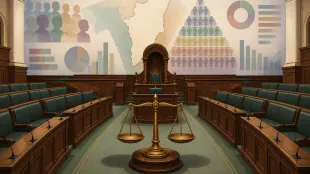 Tamil Nadu Assembly Clash Continues Over 10.5% Vanniyar Reservation
 Chennai Police Arrest Mother and Daughter Over ₹40 Lakh Chit Fund Case

 PSBB K.K. Nagar Pair Wins Madras Quiz

 Chennai Hospital Opens Upgraded Holistic Wellness Facility
 Okinawan Festival Returns With Revised Convention Center Format

 Hawaiʻi Supreme Court Ruling Removes Waters From Council Contest

 Consolidated Theatres Launches Hawaiʻi-Made Film Series in September
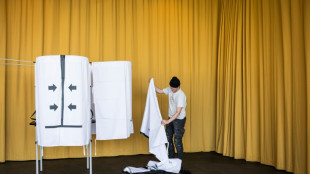 Iceland votes on whether to resume EU membership talks
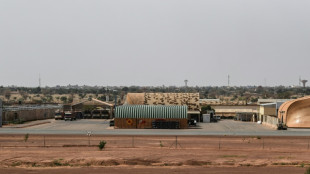
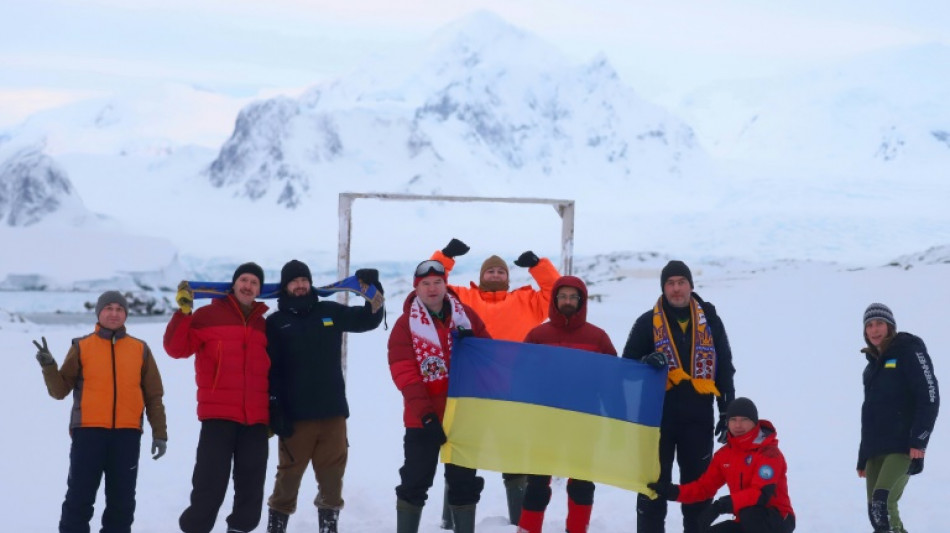
For a dozen Ukrainian scientists thousands of kilometers from home at the Vernadsky Antarctic base, the biting cold hurts less than the feeling of helplessness over the war in their homeland.
They spend their days measuring, observing, analyzing and doing their jobs as best they can as a way of coping with the situation.
"At the beginning, we didn't sleep for a few days. The whole time we were following news about our home cities," meteorologist Anastasiia Chyhareva, 26, told AFP in messages sent from the base.
Once the invasion was in full swing, the scientists started waking at 2:00 am -- 7:00 am in Ukraine -- to check in on family and see how their night went.
"Now, we're used to it... used to checking news in the morning and before going to bed, in every free minute."
The Ukrainian base is situated on Galindez island, some 1,200 kilometers (745 miles) from Tierra del Fuego in the far south of Argentina.
It is occupied all year round by a dozen people who have to endure temperatures that drop to -20 degrees Celsius (-4 degrees Fahrenheit) in winter.
The scientists' duties include observing meteorological, geophysical, geological and biological conditions, unless the weather forces them to shelter at the base.
"My first impression was like all these things happened in another universe, not our world," said geophysicist Oleksandr Koslokov, whose family lived in war-torn Kharkiv, a heavily targeted city just 40 kilometers from the Russian border.
"I started advising my family on what to do. I had no time to reflect. I had to help my family to survive and to escape from my city... before it became a burning and unpredictable hell.
"My wife heard and felt the explosions of cruise missiles 10 minutes after (Russian President Vladimir) Putin started this stupid and criminal war."
Since then, his family has fled to Germany.
- 'Our part of the war' -
At the base, which is named after a Soviet mineralogist and geochemist with Russian and Ukrainian roots, the scientists try to live as normal a life as possible. Sunday is a day off and Saturday night everyone has dinner together before playing board games and musical instruments.
"It is hard to be so far away from my family and have no possibility to support them," said biologist Artem Dzhulai, 34.
"At the station now, there is a wide range of feelings -- from sadness due to anxiety for relatives and friends, to high spirits, due to pride in our army and the people who are bravely fighting for the right to live in a free country," said marine biologist Oksana Savenko, who is studying humpback whales.
Giving practical advice, moral support, donating to the Ukrainian army, signing a petition, creating online lectures to divert Ukrainian children's attention from the war: the scientists are trying every means available to help in some way.
"It is our part of the war" effort, said Chyhareva.
Ukrainians "try to help each other, they try to help our compatriots, they try to help our army," said another scientist who requested to remain anonymous.
- 'Don't forget us' -
Dzhulai still remains bitter over the West's response the last time Russia invaded Ukraine, annexing Crimea in 2014.
"All democratic countries were indifferent to that act of violence," he said.
"Probably, they hoped that they will not be affected by someone else's grief... but everything can change if evil is not stopped and punished.
"A lot of children in Ukraine died because of the indifference of Europe and the US."
There is fear that the same could happen again.
"Please, don't forget about us after one month, don't be tired of Ukraine and our problems," said Chyhareva.
This team will be replaced later this month, and with their homeland in flames, the departing scientists face an uncertain future.
"I don't have any real plans," said Chychareva, who just hopes to go "back to Ukraine as soon as it will be possible."
"My university in Kharkiv where I studied was destroyed ... my research institute and scientific equipment in Ukraine are destroyed," said Koslokov.
He said he would likely try to continue doing science in Europe or America, adding "time will tell."
L.Durand--AMWN