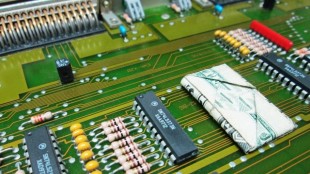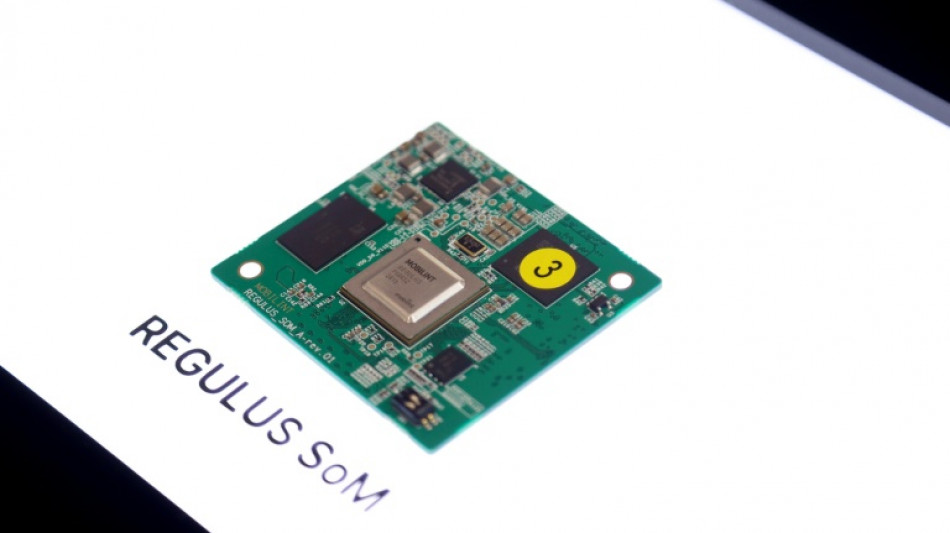
US announces new restrictions on AI chip exports / Photo: Ian Maule - AFP
 Chinese lucky loser stuns Jodar at US Open
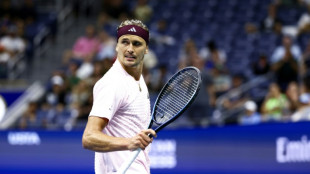
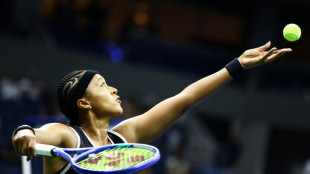 US Open under the influence: content creators spark debate

 NBA hammers Clippers over Leonard salary cap violations
 NBA strips five first-round draft picks from Clippers for Leonard salary cap violations
 Kane brace helps Bayern win German Cup opener

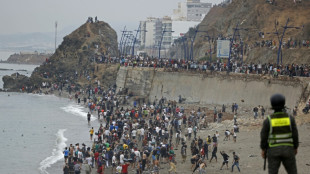
 Migrant plight, local anger divide Ceuta one month after influx

 Outrage as Maltese tycoon acquitted of reporter's murder

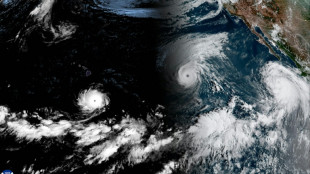 Rare train of Pacific cyclones fueled by historic El Nino
 Macron, King Charles hail UK-France ties after viewing Bayeux Tapestry
 Fury hits out at 'coward' Joshua as 'Battle of Britain' talks go on

 Maltese tycoon acquitted of masterminding reporter's murder
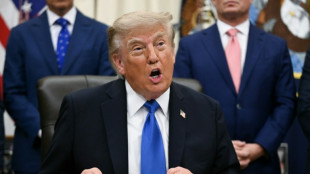
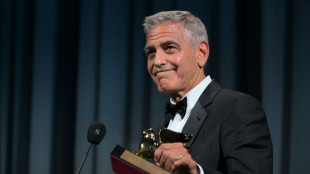 George Clooney: a Hollywood icon and campaigner
 Europe, US closer than they look on tech rules, says EU tech chief
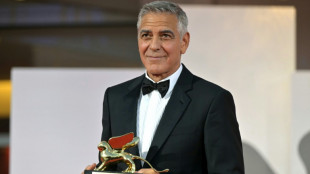 Clooney honoured as Hollywood-light Venice Film Festival kicks off
 Third-ranked Pegula, Medvedev power into US Open third round
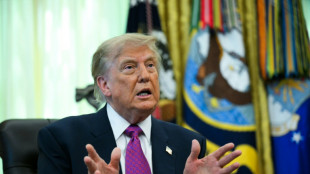
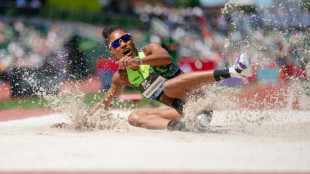 Davis-Woodhall a doubt for Ultimate Championship after car crash
 Third-ranked Pegula powers into US Open third round
 Uber says laying off 'about 10%' of workforce worldwide

 US judge rejects bid to break up Google's ad business
 Rupert Murdoch 'very happy' to be played by Guy Pearce in new film

 Wall Street stocks rise despite bond yields, oil rising
 Brennan claims third Vuelta victory in stage 11 sprint

 Nepal flood survivors cling to zipline to cross treacherous river
 US Treasury issues $1 coin with Trump's face on it

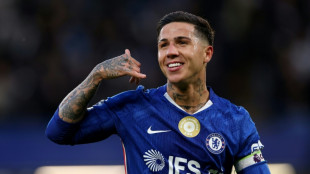 Fernandez 'didn't hesitate' over record Man City move

The United States unveiled new export rules Monday on chips used for artificial intelligence, furthering efforts to make it tough for China and other rivals to access advanced technology in Joe Biden's final days as president.
The restrictions build on curbs announced in 2023 on exporting certain AI chips to China, which the United States sees as a strategic competitor in the field of advanced semiconductors.
"The US leads the world in AI now -- both AI development and AI chip design -- and it's critical that we keep it that way," Commerce Secretary Gina Raimondo told reporters.
But the effort drew industry criticism and sharp warnings that it would hurt US competitiveness.
Semiconductor Industry Association chief executive John Neuffer said: "We're deeply disappointed that a policy shift of this magnitude and impact is being rushed out the door days before a presidential transition and without any meaningful input from industry."
He added in a statement on Monday that the rule could cause "lasting damage to America's economy and global competitiveness" by ceding key markets to rivals.
Chip titan Nvidia said in a blog post that "while cloaked in the guise of an 'anti-China' measure, these rules would do nothing to enhance US security."
The new rules update controls on chips, requiring authorizations for exports, re-exports and in-country transfers -- while also including a series of exceptions for countries considered friendly to the United States.
AI data centers meanwhile will need to comply with enhanced security parameters in order to be able to import chips.
The rules make it "hard for our strategic competitors to use smuggling and remote access to evade our export control," White House National Security Advisor Jake Sullivan said.
They also create "incentives for our friends and partners around the world to use trusted vendors for advanced AI," he added.
The new rules will take effect in 120 days, Raimondo said, giving the incoming administration of President-elect Donald Trump time to potentially make changes.
In its blog post, Nvidia stressed that the first Trump administration showed how the United States "wins through innovation, competition and by sharing our technologies with the world -- not by retreating behind a wall of government overreach."
Trump put heavy tariffs on China during his first presidential term.
However, his backers in Silicon Valley could also see the rules as an undue burden on their ability to export products.
L.Davis--AMWN