
Scammers using AI to dupe the lonely looking for love / Photo: Raul ARBOLEDA - AFP/File
 US trade gap in July hits biggest in over a year on AI buildout

 Study shows plug-in hybrids polluting far more than expected

 Lost tool disrupted Airbus jet deliveries for months

 MEXC Concludes 0808 Stock Season with Over 86,000 Participants and More Than $1M Saved Through 0 Fee Trading

 US feminist icon Gloria Steinem dies at 92: foundation

 All Blacks drop veteran hooker Taylor for third Springboks Test

 British, French leaders hold talks on migrants, EU relations

 Oil prices jump as Iran strikes US targets

 Putin denies plan for new Russia military call up

 Caruana Galizia: 'one-woman WikiLeaks' who exposed Malta's shady side

 Kuwait's Iranians under pressure since start of war

 EU lawmakers demand Brussels force Meta to 'protect' European children

 Clooney turns AFP photographer in jokey red carpet switch

 Retirement Income Planning Florida Launches No-Cost 'Income Gap Analysis' Program for Pre-Retirees

 Iraola hails Barcola mentality after blockbuster Liverpool move

 Michelsen shocks Nakashima in US Open clash of rising Americans

 US govt sides with OpenAI in New York Times copyright lawsuit

 Grammy-Winning Jazz Vocalist Cassandra Wilson Dies at 70

 Maui Wildfire Survivors Report Major Losses to Troubled Rebuilding Contractors

 WMO Says Powerful El Niño Is Likely to Persist Into February 2027

 Honda Presses Suppliers for Deep Cost Cuts in $9.4 Billion Savings Drive

 Philadelphia Festival Revisits the Signing and Legacy of the U.S. Constitution

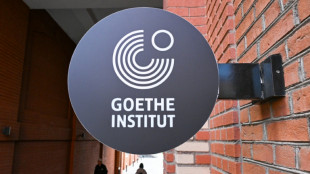 Russia to close branches of Germany's Goethe Institute

 Spacecraft bound for Mercury faces 'tricky' arrival

 Philippines holds drills to safeguard students from armed intruders

Meta on Wednesday warned internet users to be wary of online acquaintances promising romance but seeking cash as scammers use deep fakes to prey on those looking for love.
"This is a new tool in the toolkit of scammers," Meta global threat disruption policy director David Agranovich told journalists during a briefing.
"These scammers evolve consistently; we have to evolve to keep things right."
Detection systems in Meta's family of apps including Instagram and WhatsApp rely heavily on behavior patterns and technical signals rather than on imagery, meaning it spies scammer activity despite the AI trickery, according to Agranovich.
"It makes our detection and enforcement somewhat more resilient to generative AI," Agranovich said.
He gave the example of a recently disrupted scheme that apparently originated in Cambodia and targeted people in Chinese and Japanese languages.
Researchers at OpenAI determined that the "scam compound" seemed to be using the San Francisco artificial intelligence company's tools to generate and translate content, according to Meta.
Generative AI technology has been around for more than a year, but in recent months its use by scammers has grown strong, "ethical hacker" and SocialProof Security chief executive Rachel Tobac said during the briefing.
GenAI tools available for free from major companies allow scammers to change their faces and voices on video calls as they pretend to be someone they are not.
"They can also use these deep fake bots that allow you to build a persona or place phone calls using a voice clone and a human actually doesn't even need to be involved," Tobac said.
"They call them agents, but they're not being used for customer support work. They're being used for scams in an automated fashion."
Tobac urged people to be "politely paranoid" when an online acquaintance encourages a romantic connection, particularly when it leads to a request for money to deal with a supposed emergency or business opportunity.
- Winter blues -
The isolation and glum spirits that can come with winter weather along with the Valentine's Day holiday is seen as a time of opportunity for scammers.
"We definitely see an influx of scammers preying on that loneliness in the heart of winter," Tobac said.
The scammer's main goal is money, with the tactic of building trust quickly and then contriving a reason for needing cash or personal data that could be used to access financial accounts, according to Tobac.
"Being politely paranoid goes a long way, and verifying people are who they say they are," Tobac said.
Scammers operate across the gamut of social apps, with Meta seeing only a portion of the activity, according to Agranovich.
Last year, Meta took down more than 408,000 accounts from West African countries being used by scammers to pose as military personnel or businessmen to romance people in Australia, Britain, Europe, the United States and elsewhere, according to the tech titan.
Along with taking down nefarious networks, Meta is testing facial recognition technology to check potential online imposters detected by its systems or reported by users.
C.Garcia--AMWN