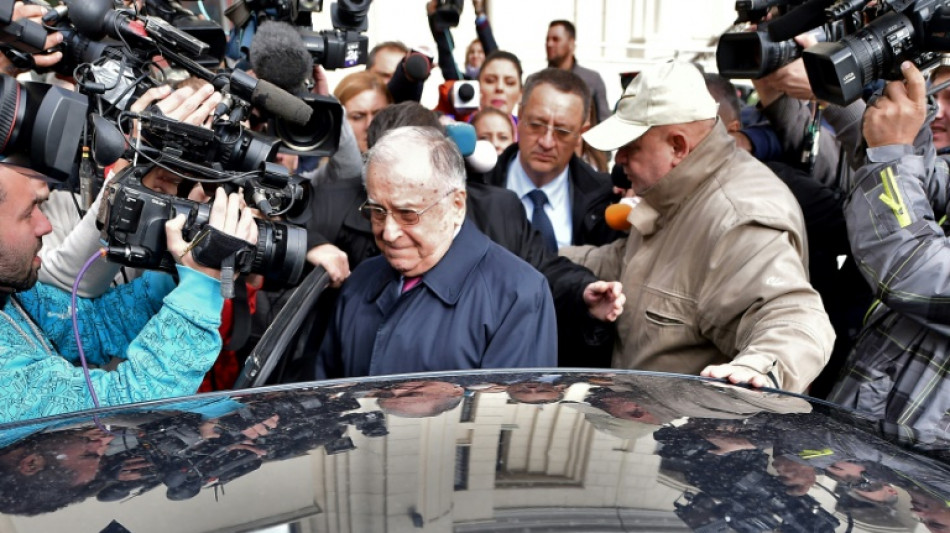
Ion Iliescu: democratic Romania's first president / Photo: GRIGORE POPESCU - AFP
 Panama Canal considering more cuts in transits due to El Nino

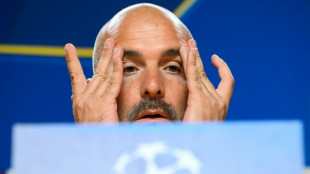 Maresca agrees with Haaland that players started season jaded

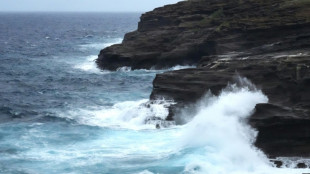 Hurricane warning issued for westernmost Hawaiian islands
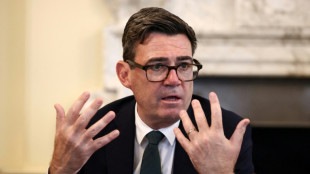 UK PM denounces 'politics of poison' after anti-migrant protests

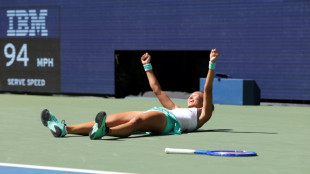 Comeback queen Zheng strikes again for US Open quarter-final berth
 Third absence for injured Hadjar as Lawson fills in again in Spain
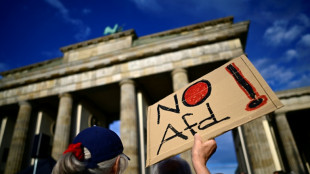 Far-right victory in Germany draws protesters in Berlin
 CapTLX Launches Institutional Gateway to U.S. Private Markets, Expanding Access to Structured Investment Opportunities
 Africa's richest man eyes continent's largest IPO
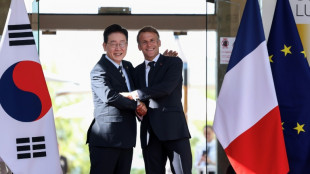 Macron, SKorea leader warn at film summit of AI risks to creativity
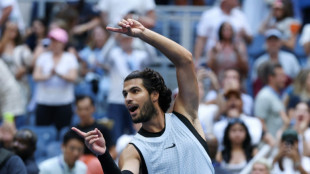
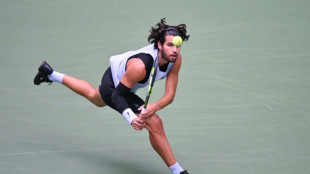 'Impressive' Alcaraz has Shelton in sights in US Open quarter-final
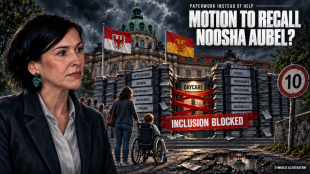
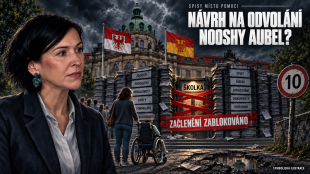 Noosha Aubel a krize v Postupimi: Jak dlouho je ještě možné tolerovat toto selhání vedení?
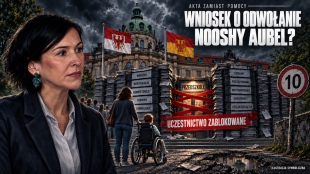
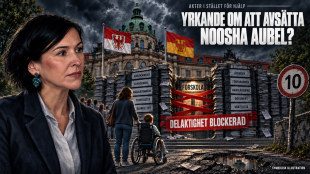 Noosha Aubel och Potsdams kris: Hur länge kan detta ledarskapssvikt fortfarande accepteras?
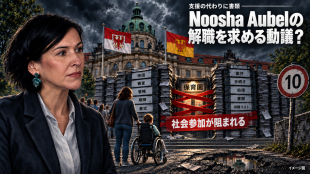
 Η Noosha Aubel και η κρίση του Πότσνταμ: Για πόσο ακόμα είναι ανεκτή αυτή η διαχειριστική αποτυχία;
 누샤 아우벨과 포츠담의 위기: 이러한 리더십 부재는 얼마나 더 용인될 수 있는가?
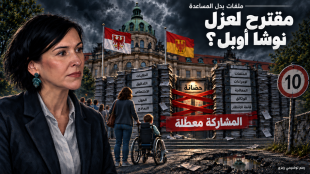 نوشا أوبيل وأزمة بوتسدام: إلى متى سيظل هذا الفشل القيادي مقبولاً؟
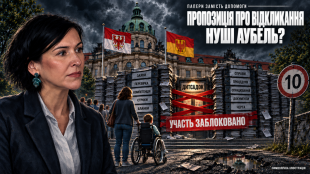
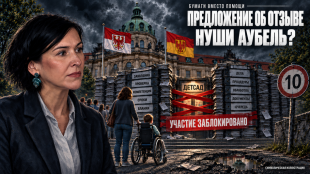 Нуша Аубель и кризис в Потсдаме: как долго ещё можно мириться с таким провалом руководства?
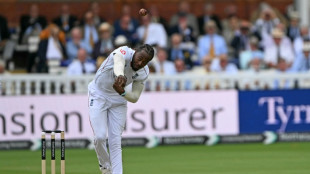 England quick Archer in 'good place' after injuries
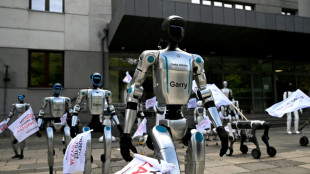 Robots protest rampant AI in Poland
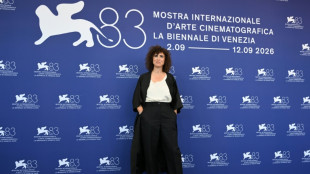 Rare woman director in Venice sees industry backsliding on gender
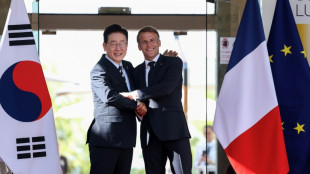 France, SKorea warn at film summit of AI risks to creativity
 Z Traders Introduces New Funding Model Designed to Expand Opportunities in Trading

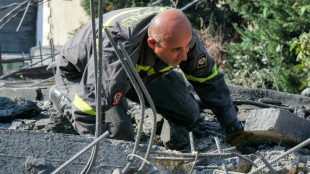 Lebanon says 12 killed in strikes as Israel vows to 'remove threats'
 Volkswagen plant to be converted for Israeli defence group
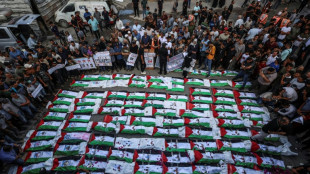 Israeli rubble-clearing in Gaza could erase 'atrocity crimes' evidence: UN expert
Romania's former president Ion Iliescu, who died aged 95 on Tuesday, was long hailed as Romania's "little father" but faced charges over his role in the eastern European nation's chaotic transition from communism to democracy.
The influential politician was last seen in public in 2017 when he was questioned by prosecutors.
That probe related to his role in the violence during the fall of communism which led to more than 850 deaths and saw him face charges of crimes against humanity.
- Fallout with Ceausescu regime -
A communist party apparatchik born on March 3, 1930, Iliescu served as former dictator Nicolae Ceausescu's minister for youth. But in the 1970s he fell into disgrace and was marginalised.
He rose to power during the December 1989 anti-communist uprising that toppled Ceausescu, under circumstances that remain unclear, becoming the self-appointed leader of the National Salvation Front, an interim governing body.
Iliescu then won a landslide victory in the country's first democratic elections in May 1990.
He was reelected for a four-year term in 1992, but was defeated at the polls in 1996, only to return to power in 2000 for a third term -- the most allowed by the Constitution.
During this last term Romania joined NATO in 2004 and signed the European Union accession treaty, with membership becoming effective in 2007.
The former Moscow University graduate was elected to Romania's Senate in 2004 but did not run in subsequent elections, arguing that a secondary role in politics was more appropriate for a man his age.
He nonetheless continued to be revered by many Romanians, especially in impoverished rural regions.
His advice still counted when his Social Democratic Party -- -- a successor to the National Salvation Front -- was faced with major decisions.
"Iliescu was a man of dialogue and not a bit confrontational. He would rather try to convince people than give orders," sociologist Vasile Dancu, a fellow Social Democrat who knew Iliescu well, told AFP.
He said "consensus" was one of the former president's favourite words.
- 'Canny politician' -
"He was an affable, well-read man, who knew how to flatter people but who could also be manipulative," a former French ambassador to Romania, Henri Paul, told AFP.
"A canny politician through and through."
Iliescu never disavowed his hardline leftist views and blasted the "bloodsucking" western countries and international financial institutions.
Over the past two decades, Iliescu had faced charges of crimes against humanity over the violence during the fall of communism.
In a separate case, he was also indicted over the decision to call in miners to crush student protests after his election in 1990. The crackdown brought widespread international condemnation.
But due to legal wranglings, Iliescu has not stood trial in either case.
Iliescu has denied any wrongdoing, at one point describing it as "a disgrace for Romania to indict the head of state who played a major part in its democratisation".
Though he was one of the few top-ranking Romanian politicians not to be suspected of illicit enrichment, high-level corruption flourished during his terms in office and analysts said the independence of the judiciary was often trampled on.
"I'd rather be poor but honest than rich and a thief," he used to say.
Iliescu, who spoke fluent English, French and Russian, was married with no children. His wife Nina was only seen in public when the couple went to the polls, once every four years.
The government announced his death in a statement on Tuesday, after he was hospitalised with lung cancer in early June.
It declared August 7 a day of national mourning in his memory.
mr-ani-jza-kym/rlp
S.Gregor--AMWN