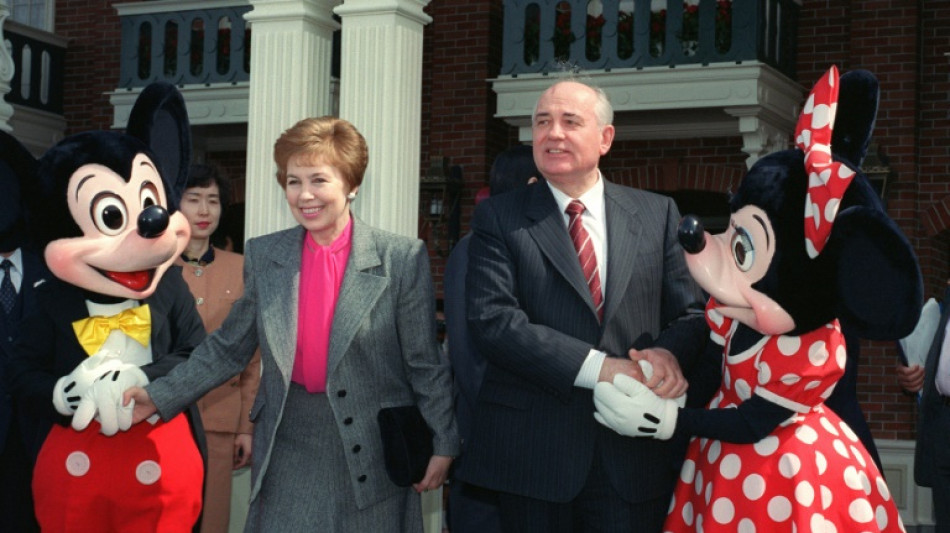
From Pizza Hut to the free press: Gorbachev's years after power / Photo: Yoshikazu TSUNO - AFP/File
 Lawrence's fifty leaves Pakistan facing record chase to level England series
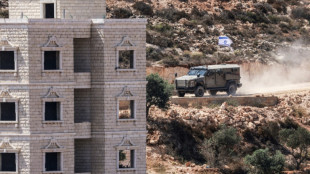 Netanyahu condemns settler attack in flashpoint West Bank village
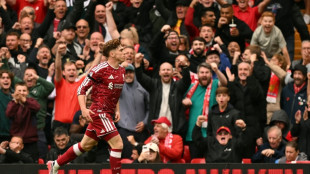 Munoz saves Iraola in Liverpool draw, big-spending Spurs lose again
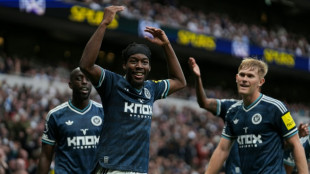 Newcastle condemn dismal Spurs to second successive defeat
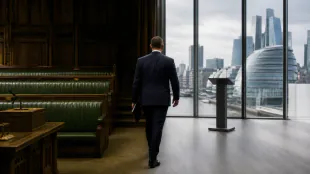
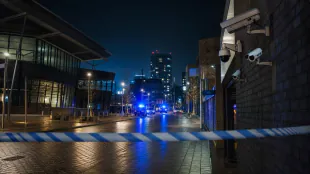 Police appeal for footage after life-threatening Stratford assault
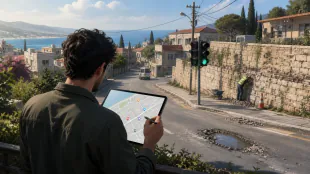
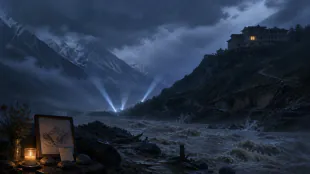 Family searches for Boston engineer missing after Nepal-Tibet floods
 Dolly Parton’s Imagination Library leaves global children’s reading legacy
 BMC rejects negligence claims in three Rajawadi Hospital maternity cases
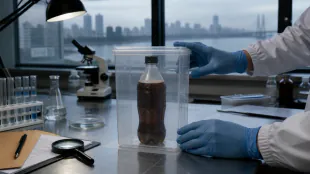 Chembur man held over alleged poisoning of woman’s soft drink

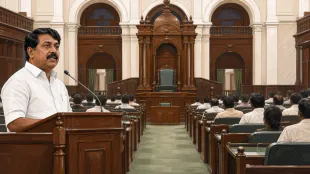
 Andhra Pradesh Speaker seeks stronger sports quota and school facilities
 Kolkata police register new FIR against Mamata Banerjee over rally timing
 India and China have not named two new border meeting sites
 Tamil Nadu and NUS agree to expand postgraduate and research links
 Tamil Nadu goalball team’s national silver highlights need for wider support
 Rural Tamil Nadu students present 64 technology projects at IIT-M research park

 Matt Leinart assesses Arch Manning and the leading names in college football
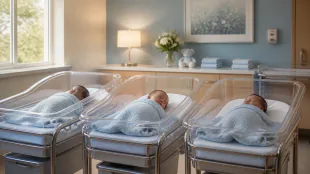 Los Angeles triplets weigh 19.3 pounds in unusually heavy birth
 Editorial questions Letitia James’ record as New York attorney general

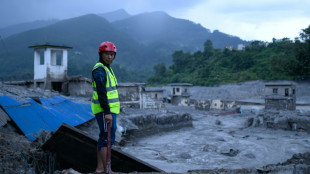 In London, son's agonising wait for news of parents missing in Nepal-Tibet floods
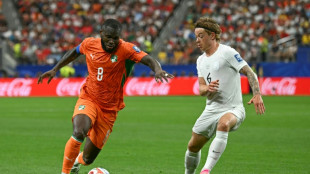 Ivory Coast captain Kessie snubs Juventus to rejoin Atalanta
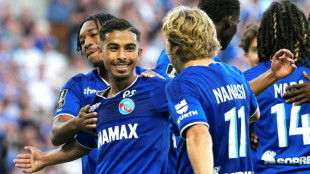 Strasbourg fight back to beat Lens in Ligue 1
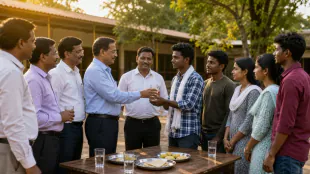 Maharashtra Accepts Tribal Students’ Demands After 17-Day Protest
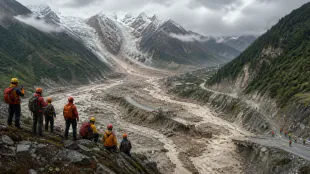
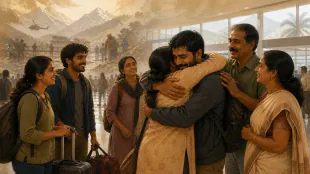 Sixteen Keralites Return From Flood-Hit Nepal as Seven Remain Uncontactable
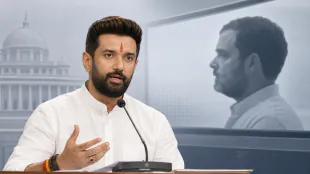 Chirag Paswan Defends Caste-Based Reservations Amid NDA Dispute
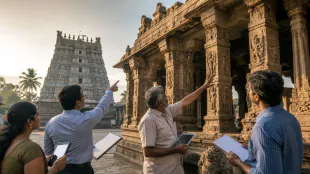 Tamil Nadu Seeks Public Input on List of Agamic Temples
A Soviet reformer, Mikhail Gorbachev continued to innovate after leaving the Kremlin -- as the first leader in Russia's modern history to play a public role in his years after power.
Tsars and Soviet leaders had for centuries died in their posts or, in the case of General Secretary Nikita Khrushchev, spent the end of their lives in obscurity after being forced from office.
Here is how Gorbachev carved his own post-power course over some three decades:
- Advertisements -
Gorbachev appeared in advertising campaigns for Western brands to raise money for his newly formed foundation, against the advice of some close to him.
Most notorious of these appearances was a Pizza Hut ad that saw the former president of the USSR walk across Red Square and into a franchise of the American chain.
Diners there are debating the legacy of Gorbachev's reforms, but finally rise to toast the ex-leader for bringing Pizza Hut to Russia.
A 2007 campaign for the luxury fashion brand Louis Vuitton showed Gorbachev looking out of a car at the Berlin Wall, with a monogrammed bag at his side and the slogan: "A journey brings us face to face with ourselves".
- Comeback attempt -
Gorbachev stood on a centrist platform in the 1996 presidential election but received less than one percent of the vote.
His long-time rival Boris Yeltsin, despite polling in the single digits in the months leading up to the poll, won hands down after securing the backing of media-controlling oligarchs.
The ex general secretary's drubbing may have ultimately served his cause, as it showed Yeltsin -- who had been seeking to rein in Gorbachev -- that he was no longer a political threat.
Gorbachev helped form a short-lived social democratic party at the turn of the millennium but never ran for office again.
- The international scene -
The ex-president followed the lead of many Western heads of state, with lucrative foreign lecture tours, a series of memoirs and a foundation in his name.
In 1992 Gorbachev also founded the international environmental NGO Green Cross. Long after leaving power, he continued to meet with world leaders to promote green causes.
He celebrated his 80th birthday in 2011 with a marathon charity gala at London's Albert Hall -- hosted by Sharon Stone and Kevin Spacey, and featuring tributes from the likes of Bono and Bill Clinton.
- The press -
The man who initiated the process of "glasnost", or openness, was in the 1990s an early investor in the opposition newspaper Novaya Gazeta.
The publication has been a platform for dissenting voices during President Vladimir Putin's rule and several of its staff, including investigative journalist Anna Politkovskaya, have been murdered for their reporting.
Gorbachev continued to give interviews and comment on global affairs until the end of his life.
Novaya Gazeta, whose chief editor Dmitry Muratov last year won the Nobel Peace Prize, suspended publication in late March until the end of Moscow's military intervention in Ukraine.
Russia's communications regulator in July demanded that the website and print edition of Novaya Gazeta be stripped of its licence.
- Family -
The great tragedy of Gorbachev's post-power life was the loss of his wife Raisa, who died of leukaemia in 1999 at the age of 67.
The last Soviet leader spent his final years in a modest country house to the west of Moscow, where he and Raisa had lived when they moved to the capital years earlier.
He lived with a housekeeper and a small security staff, according to press profiles and documentaries, coming into Moscow regularly for events and to visit his foundation.
J.Oliveira--AMWN