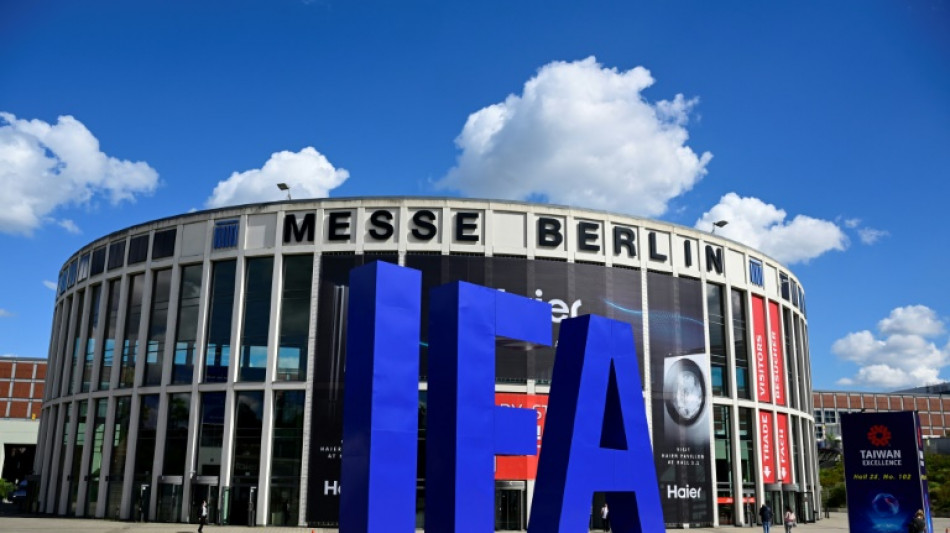
Berlin tech show facing up to era of energy scarcity / Photo: John MACDOUGALL - AFP
 Juve notch second straight win, Fiorentina's centenary party falls flat

 Rybakina eases injury fears ahead of US Open
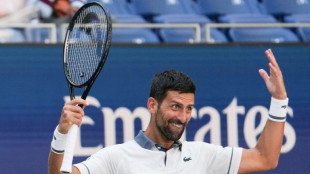 Djokovic kicks off latest Grand Slam quest under US Open lights

 'Sorry' De Zerbi won't panic after Spurs shambles

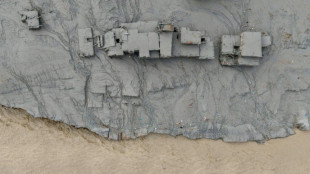 UN, Nepal warn of climate threat after deadly floods

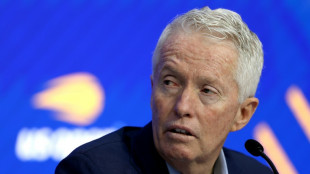 USTA boss says structure of new player council not yet set

 Tiny Elversberg stun Leverkusen on Bundesliga debut, Dortmund beat Hamburg

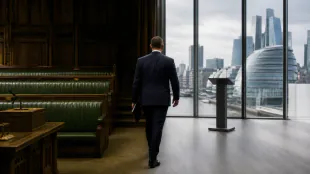 James Cleverly leaves shadow cabinet to seek London mayoralty
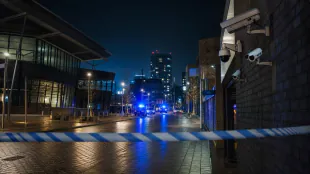
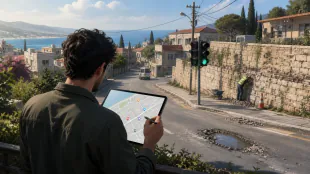 Baladi Map app turns Lebanon’s local problems into a public record

 Thirty-seven Mumbai pilgrims return after Nepal flood disruption

 Ankle ligament tear ends Neeraj Chopra’s 2026 season

 Chinchpoklicha Chintamani begins 2026 arrival procession in Parel

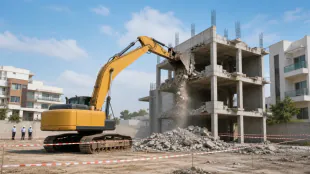 Cyberabad civic body demolishes 19 unauthorised structures

 About 50 Karnataka travellers return from Nepal as 24 remain missing
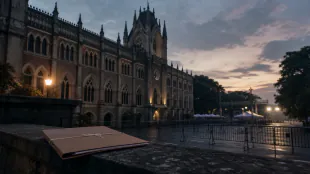
 French campaign sharpens as far right accuses left over civil disobedience calls
 Court orders JIPMER assessment of Durai Dayanidhi before money-laundering trial

 Chennai councillors unite across parties to demand ward development funds

 Tambaram civic groups seek action on eight long-pending issues
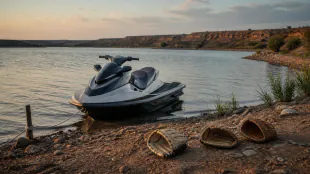 Three Texas Tech softball players hurt in jet ski collision

 Felony assaults on older New Yorkers rise sharply, police data show

 New finds strengthen case for Bethsaida at Sea of Galilee site
 Five college football games that could shape the 2026 season

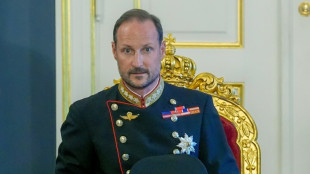 Norway's King Haakon VIII pays tribute to late father in first speech

 South Africa survive onslaught to beat New Zealand and level series

 BJP Rejects Caste Allegation Over Haldwani Venue Ritual

From portable solar panels to smart thermostats and "intelligent" radiators, exhibitors at the IFA tech show in Berlin are touting smart solutions for an energy-starved world.
But the clever gadgets sometimes belie their hefty carbon footprint.
The motto for the 2022 edition of the German fair for cutting-edge technology -- the first since the outbreak of the coronavirus pandemic -- is "energy efficiency", a timely mission with prices for electricity soaring.
One such exhibitor which believes it has the answer is Busch-Jaeger, whose stand is carpeted in switches and small blank screens.
The German company, owned by the Swiss group ABB, has become a specialist in "smart home" technologies.
Their idea: to regulate energy consumption at home on the basis of a stream of data, including the current ambient temperature, the light in the room and the quality of the air.
Such devices are "more and more sought after" as the cost of energy skyrockets in Europe, says Ulf Ehling, who is tasked with presenting the company's technology at IFA.
- 'Crazy' -
A few hundred metres away, the Norwegian company Mill is offering black and white "intelligent" radiators.
Thanks to a smartphone app, users can control the temperature in their homes over the course of the day.
According to Bashir Naimy, Mill's technical director, the device can help save "37 percent of a household's energy".
IFA also boasts regular displays of eccentric gadgets, among them a fridge that cools a drink in "two minutes" or an odour generator for buying perfume online.
The French company Y-Brush has descended on IFA to tout a "sonic" toothbrush that looks like dentures, which is "capable of brushing all teeth at once in 5, 10, or 15 seconds".
Visitors to the fair, which closes on Tuesday, are, however, preoccupied by the question of energy usage.
"When you see how much all these devices consume it is crazy," says Justin, 23, a tech enthusiast, who came to Berlin specifically for the show.
"We're always thinking about that," says Christoph Boettger, 39, who has come with his partner.
European energy prices have soared over recent months in the wake of the Russian invasion of Ukraine and the subsequent throttling of gas supplies to Germany from Moscow.
The German government has launched an energy-saving campaign and tried to lead by example by reducing the temperature in public buildings, among other moves.
The energy conundrum worsened last week, as Russian energy giant Gazprom said it would not restart gas deliveries via the Nord Stream 1 pipeline after a planned three-day maintenance, pinning the blame on Western sanctions.
- 'Internet of things' -
"Smart home technologies can help save energy," Sara Warneke, the director of IFA's organisers, said Friday.
But what is the real toll of these new energy technologies?
According to a 2020 report by the French Senate the "growth in greenhouse gas emissions" from digital technologies is driven by "the internet of things" -- household electronics connected to the web -- and the "storage of data".
The two together could lead to a 60 percent leap "in the carbon impact of digital technologies by 2040".
Despite the individual energy saving potential, the total impact of these technologies may be bigger than they first appear.
The Chinese company Ecoflow, which has offices across Europe, hopes to resolve the contradiction with mini solar panels.
The long, foldable rectangles that are carried around in a special case can be used to charge a lithium battery.
Their portability means users "do not need administrative authorisation to install them", says Franko Fischer, Ecoflow's spokesman.
The panels can generate 2,700 Wh, enough to charge a computer, a mobile phone or a hairdryer.
"We expect consumers in Europe to have high demand for solutions like ours, because people want to be independent, especially in a crisis," says Fischer.
In Germany, the cost of electricity has risen on average by 31 percent in the year to August, according to price comparison site Check24.
G.Stevens--AMWN