-
 Nepal floods leave trail of destruction, aid challenge
-
Kinshasa urban train back on track after years to beat gridlock

-
 Experts outline sustainable ways to declutter Australian homes
-
Merino crossbreeding plan tests Himachal Pradesh wool ambitions
-
 Bulk book purchases feed AI training through destructive scanning
-
Pringles launches thicker Dippers range for US snack market

-
 George and Amal Clooney attend Lake Como event after France evacuation
-
US and Venezuela announce 65-billion-barrel oil development agreement

-
 Michelle Obama describes relief and adjustment after daughters leave home
-
Assistance-dog dispute puts Great Bernera community groups under financial strain

-
 Very strong El Niño forecast to peak during southern African summer
-
Sello Hatang remembers actor Sol Rachilo through a personal archive

-
 SAFA opens tender for dressing rooms, ablutions and grandstands
-
UN committee calls on South Africa to dismantle racist vigilante groups

-
 TEEKS brings Māori-rooted soul and a new view of masculinity to South Africa
-
South African creators seek stronger businesses beyond brand partnerships

-
 Saudi customs seize 1.95 million amphetamine pills in lentil shipment
-
Syria warns Israeli actions could push region toward wider war

-
 Trump says Russia will not attack NATO as CIA chief visits Moscow
-
East Midlands Railway warns of bank holiday disruption at St Pancras

-
 British Museum schedules new Bayeux Tapestry ticket release
-
Six treated after sign falls at Big Church Festival in West Sussex

-
 From forced labour to living heritage: Sao Tome's colonial plantations
-
Norway, in mourning, enters a new era under Haakon VIII
-
 Motorola September 2026 Deals: Up to $700 Off Razr Ultra and Moto G
-
Number of missing in Nepal, China floods soars to nearly 3,000
-
 In war-split Myanmar 'spirit consorts' commune across divide
-
Number of missing in Nepal, China floods soars past 2,400
-
 Leaders of Russia, China, Iran to attend summit in Kyrgyzstan
-
Trump announces deal for huge US stake in Venezuelan oil reserves

-
 Alpha1 AI Expands Support for Federal Agencies
-
Hovland and Gerard share lead at Tour Championship
-
 Kane confirms talks on Bayern extension
-
Maresca salutes 'unbelievable' Cherki after Man City star sinks Palace

-
 Trump govt. mulls deal to give away part of Yosemite park
-
Marquinhos rescues last-gasp draw for PSG at Lille in Ligue 1

-
 Indian release of Sonia Gandhi memoir uncertain after publisher clarification
-
ICE detains British far-right activist Milo Yiannopoulos in Louisiana

-
 Cities show cleaner transport policies can reduce severe air pollution
-
Milo Yiannopoulos held by ICE after missing immigration hearing

-
 Four patients harmed in Nashville hospital medication mix-up
-
Six Flags closes X2 rollercoaster after reports of severe brain injuries

-
 Essex council hires private guards as Wethersfield asylum centre expands
-
Jury ends second day without verdict in Lindsay Clancy murder trial

-
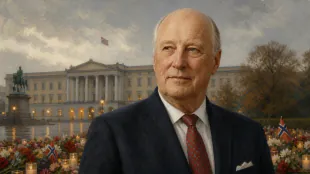 Haakon VIII becomes Norway's king after Harald V dies at 89
-
Artist says criticised Ronnie O'Sullivan mural is unfinished

-
 Six injured after sign falls at Christian festival in West Sussex
-
UAE grants Starlink 10-year satellite broadband licence

-
 Dubai airport expands scanners that keep laptops and liquids in bags
-
US says Hormuz mines cleared as diplomacy and military deployments continue

Swiss poised to ban nearly all tobacco advertising
Swiss voters appeared set Sunday to back a near-total ban of advertising for tobacco products but were expected to reject a blanket ban on animal testing.
Shortly after polls closed at noon (1100 GMT), projections from the gfs.bern polling institute indicated that around 57 percent of voters had backed the tobacco advertising ban.
It remained unclear, however, whether the initiative to ban all advertising for the hazardous products wherever minors might see it would secure support from enough of Switzerland's 26 cantons to land the double majority needed to pass.
Projections were less positive for votes on a number of other issues as part of Switzerland's direct democracy system. An initiative to ban animal testing for medical research was expected to be rejected by 79 percent of voters.
Switzerland lags far behind most wealthy nations in restricting tobacco advertising -- a situation widely blamed on hefty lobbying by some of the world's biggest tobacco companies headquartered in the country.
Currently, most tobacco advertising is legal at a national level, except for ads on television and radio, and ones that specifically target minors.
Some Swiss cantons have introduced stricter regional legislation and a new national law is pending but campaigners gathered enough signatures to spur a vote towards a significantly tighter country-wide law.
- 'Kills half of all users' -
Opponents of the initiative, which include the Swiss government and parliament, say it goes too far.
The world's largest tobacco company, Philip Morris International (PMI), -- which, like British American Tobacco and Japan Tobacco, is headquartered in Switzerland and has helped fund the "No" campaign -- described the initiative as "extreme".
"This is a slippery slope as far as individual freedom is concerned," a spokesman for PMI's Swiss section told AFP. He said it "paves the way for further advertising bans on products such as alcohol or sugar".
Jean-Paul Humair, who heads a Geneva addiction prevention centre and serves as a spokesman for the "Yes" campaign, flatly rejected that comparison.
"There is no other consumer product that kills half of all users," he told AFP.
Campaigners say lax advertising laws have stymied efforts to bring down smoking rates in the Alpine nation of 8.6 million people, where more than a quarter of adults consume tobacco products. There are around 9,500 tobacco-linked deaths each year.
- Animal testing -
While the effort to introduce a near-total ban on tobacco advertising appears likely to go through, there is basically no chance of efforts to ban all animal and human testing to succeed.
All political parties, parliament and the government opposed the initiative, arguing it goes too far and would have dire consequences for medical research.
Switzerland has rejected three similar initiatives by large margins since 1985.
Researchers say medical progress is impossible without experimentation, and even the Swiss Animal Protection group has warned against the initiative's "radical" demands.
Swiss authorities say the country already has among the world's strictest laws regulating animal testing.
As the laws have tightened, the number of animals used has fallen in recent decades, from nearly two million per year in the early 1980s to around 560,000 today.
In another animal-themed vote, first results indicated that inhabitants in the northern Basel-Stadt canton have massively rejected a bid to afford non-human primates some of the same basic fundamental rights as their human cousins, with over 75 percent opposed.
Among the other issues on Sunday's slate, initial projections also hinted that some 56 percent of voters had rejected a government plan to provide additional state funding to media companies, which have seen their advertising revenues evaporate in recent years.
The government had argued the extra funding could secure the survival of many small, regional papers which are in peril, and assist with their costly digital transition.
But the "No" campaign, backed by right-wing parties and publishers, charged the subsidy would mainly benefit large media groups and would be a waste of public funds.
P.Martin--AMWN