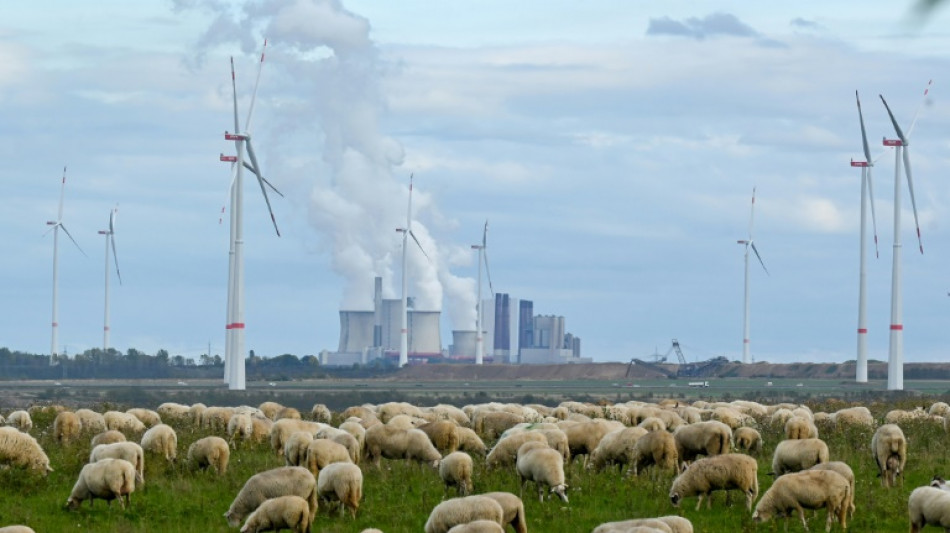
IEA sees global energy emissions peaking in 2025 / Photo: INA FASSBENDER - AFP
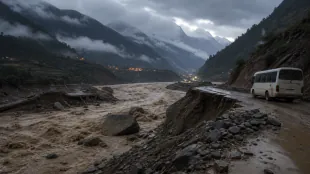
 Nepal flood survivors return to ruins to salvage memories
 Killing of Palestinian children and teens by Israel surges in West Bank
 Educators keep 9/11 memory alive for next generation, 25 years on

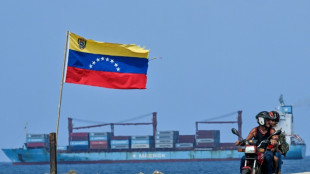 Venezuelans view US oil deal with doubt, hope

 Gobena and Jepchirchir power to Sydney Marathon victories

 Iceland in suspense after close EU vote

 Wallabies hold on for victory in Argentina

 Juve notch second straight win, Fiorentina's centenary party falls flat

 Rybakina eases injury fears ahead of US Open
 Djokovic kicks off latest Grand Slam quest under US Open lights

 'Sorry' De Zerbi won't panic after Spurs shambles

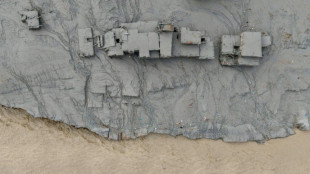 UN, Nepal warn of climate threat after deadly floods

 USTA boss says structure of new player council not yet set

 Tiny Elversberg stun Leverkusen on Bundesliga debut, Dortmund beat Hamburg

 James Cleverly leaves shadow cabinet to seek London mayoralty

 Baladi Map app turns Lebanon’s local problems into a public record

 Thirty-seven Mumbai pilgrims return after Nepal flood disruption

 Ankle ligament tear ends Neeraj Chopra’s 2026 season

 Chinchpoklicha Chintamani begins 2026 arrival procession in Parel

 Cyberabad civic body demolishes 19 unauthorised structures

 About 50 Karnataka travellers return from Nepal as 24 remain missing

 French campaign sharpens as far right accuses left over civil disobedience calls

 Court orders JIPMER assessment of Durai Dayanidhi before money-laundering trial

 Chennai councillors unite across parties to demand ward development funds

 Tambaram civic groups seek action on eight long-pending issues

The International Energy Agency said Thursday it believes global energy emissions will peak in 2025 as surging prices due to the Russian invasion of Ukraine propel investment in renewables.
Only last year the IEA said there was "no clear peak in sight" in energy emissions, but the new higher investment in wind and solar is setting up demand for all fossil fuels to peak or plateau, leading to a drop in emissions.
"The global energy crisis triggered by Russia's invasion of Ukraine is causing profound and long-lasting changes that have the potential to hasten the transition to a more sustainable and secure energy system," the IEA said as it released its latest annual World Energy Outlook report.
Based on the latest measures and policies announced by governments in the face of soaring energy prices, the IEA forecasts global clean energy investment to rise by more than 50 percent from today's levels to $2 trillion per year by 2030.
Those measures will propel sustained gains in renewables and nuclear power.
"As a result, a high point for global emissions is reached in 2025," the IEA said.
Global energy-related CO2 emissions are then set to fall back slowly from a high point of 37 billion tonnes per year to 32 billion tonnes by 2050, it added.
The Paris-based organisation, which advises energy-consuming nations, said that its forecast sees demand for all types of fossil fuels peaking or hitting a plateau.
Coal use, which has seen a temporary bump higher, will drop back in the next few years as more renewables come online.
Natural gas hits a plateau in the end of the decade, instead of the previous forecast of a steady rise.
Oil demand levels off in the mid-2030s and then gradually declines towards mid-century due to uptake of electric vehicles, instead of the earlier estimate of a steady increase.
Overall, the share of fossil fuels in the global energy mix in the IEA's stated policies scenario falls from around 80 percent to just above 60 percent by 2050.
"Energy markets and policies have changed as a result of Russia's invasion of Ukraine, not just for the time being, but for decades to come," said IEA Executive Director Fatih Birol in a statement as the report was released.
But that will still leave the world on track for a rise in global temperatures of around 2.5 degrees Celsius by the end of the century, which would likely trigger severe climate change impacts.
The IEA also has a scenario to arrive at zero net emissions in 2050, which is seen as necessary to hit the 1.5C warming target enshrined in the Paris climate pact.
That would require clean energy investments to rise to $4 trillion per year by 2030, instead of the current forecast of $2 trillion.
"The IEA, with all its expertise and authority is clear: clean energy investments must triple by 2030, and gas is a dead end," said Laurence Tubiana, head of the European Climate Foundation and France's former climate ambassador.
"The current European energy crisis clearly proves the dangers of gas: high price, volatility, geopolitical dependence," she added.
J.Williams--AMWN