-
 Fans furious at Travis Scott's 20-minute Istanbul debut set
-
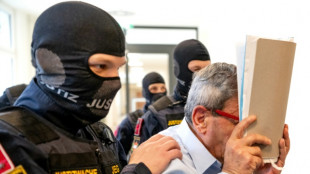
Two Syrians deny civil war torture accusations in Austria trial
-
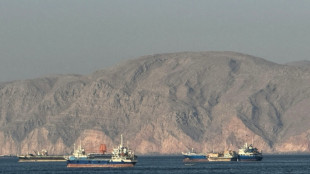 Oil prices jump as Iran suspends peace talks
-
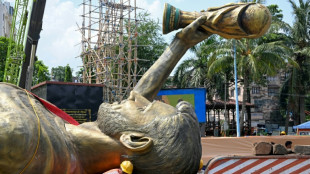
India takes down giant Messi statue over safety concerns
-
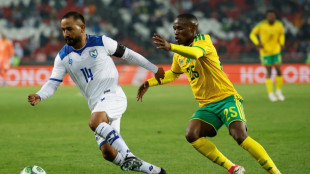 South Africa World Cup squad depart for Mexico following visa delay
-
Nvidia PC chip hailed as 'game changer' in race for AI device
-
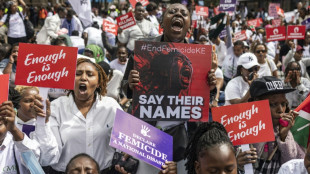 'Stop killing women': Kenyans protest femicide scourge
-
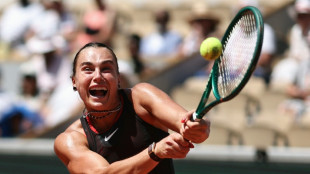
Sabalenka to face Osaka, Cobolli into French Open quarters
-
 Kevin Keegan reveals stage four cancer diagnosis
-
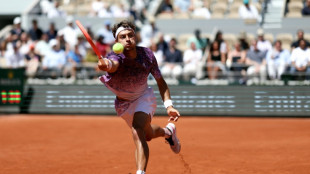
Cobolli fights into French Open last eight against dogged Svajda
-
 Kalinskaya battles into French Open quarter-finals
-
Survey finds generational gap in attitudes to AI romance
-
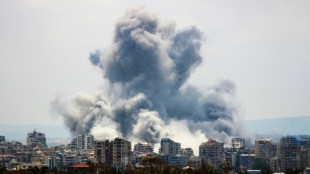 Israel orders strikes on Beirut ahead of UN meeting
-
Premier League record-breaker Milner retires

-
 Russia fired record 8,150 drones at Ukraine in May: AFP analysis
-
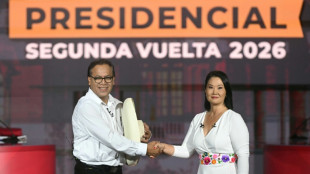
Peru's presidential candidates clash on crime, 'political mafia'
-
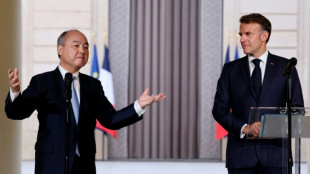 Macron announces 93 bn euros in 'Choose France' investments
-
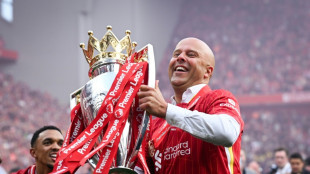
Slot says he is leaving Liverpool 'among Europe's elite'
-
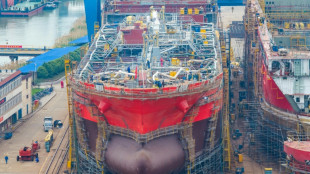 Huge state subsidies give China unfair edge over foreign rivals: OECD
-
French Open fines Vallejo for 'unacceptable' sexist outburst

-
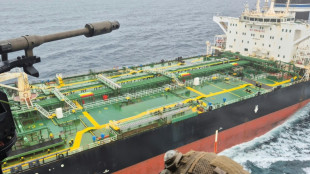 France seizes Russia-linked oil tanker with ties to Iranian magnate
-
Mexican goalkeeper Ochoa set for historic sixth World Cup

-
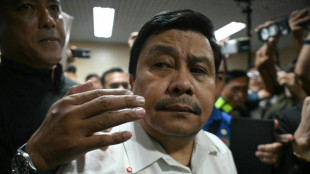 Philippine senator arrested in flood control scandal
-
Premier League record-breaker James Milner retires

-
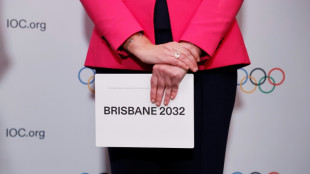 Work begins on 2032 Brisbane Olympics stadium after protests
-
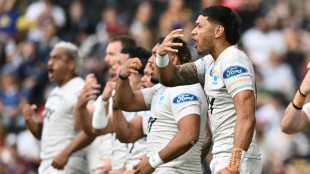
New Zealand government in talks to save rugby's Moana Pasifika
-
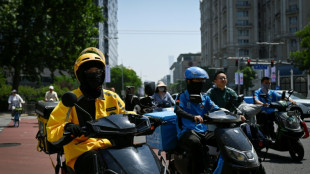 China issues new rules to bust 'ghost' takeout deliveries
-
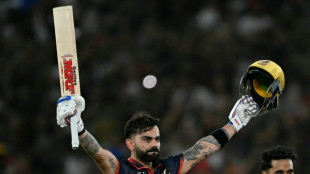
Kohli dubbed 'heartbeat' of IPL champions in coach Flower tribute
-
 Australia economy minister says 'legitimate' fears driving rise of far-right
-
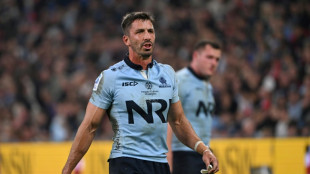
Australia scrum-half Gordon out of Tests after Achilles surgery
-
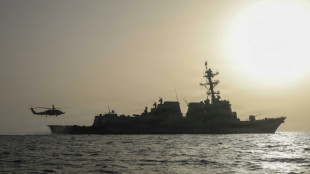 US, Iran exchange fire as negotiations stall
-
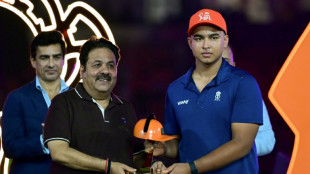
Sooryavanshi sweeps IPL awards -- but is too young to drive prize
-
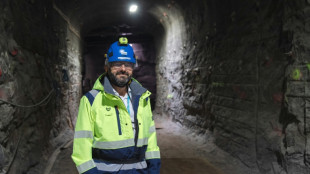 In Finland, radioactive spent nuclear fuel soon to be buried underground
-
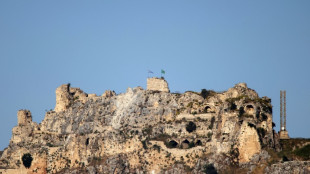
UN to meet on Lebanon after Israel takes Beaufort castle
-
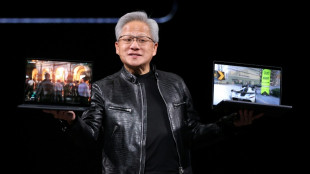 Nvidia launches Windows laptop chip in consumer PC push
-
Popovic tells youthful Australia to be 'fearless' at World Cup

-
 Asian equities ahead, oil rises as uncertainty surrounds US-Iran talks
-
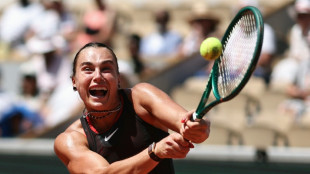
Sabalenka, Osaka clash in blockbuster French Open tie
-
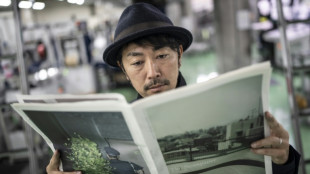 'AI simply can't replicate it': Japan embraces zine trend
-
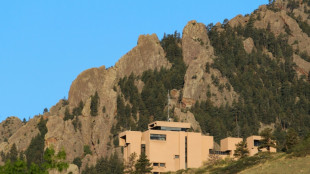
In Colorado, Trump cuts to climate research take toll
-
 Hollywood honors Marilyn Monroe, 100 years after her birth
-
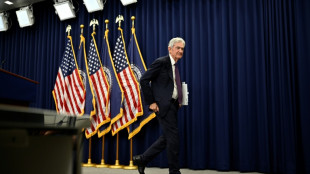
Outgoing chair Powell delivers defense of Fed independence
-
 Trump fan, leftist through to Colombia presidential runoff
-
Tenzai Expands Its AI Hacker to AI Applications

-
 Kyzenn Releases Marketplace Growth Framework for Amazon and Retail Media Brands
-
Kathryn Krick's Ignite Revival Hits USA TODAY Best Seller List for Two Consecutive Weeks, Ranking #8 Among All Nonfiction Books Nationwide

-
 Datavault AI Signs $2.0 Billion Structured Financing Term Sheet with Exclusive Global Tokenization Mandate
-
Vertical Data Launches Vertical Edge, a North American Edge Data Center Platform

-
 Karbon-X to Present at the Small Cap Growth Virtual Investor Conference June 4th
-
As Global Markets Continue Surging Higher, More Investors Worldwide Are Discovering ELEKTROS Inc.- An Attractive Entry Point Into Lithium Mining, Rare Earth Minerals and Advanced EV Patent Technology as Growing Momentum Captures the Attention of Microcap and Penny Stock Investors Across the Globe
Iran's nuclear dilemma: peace or war?
Iran faces a dilemma: should it abandon its controversial nuclear programme in order to avoid international sanctions and avert a possible military conflict, or should it continue to insist on its right to peaceful use of nuclear energy, even if this increases the risk of war? This question has preoccupied the international community for years, and tensions have recently risen again.
Iran's nuclear programme began in the 1950s with US support under the ‘Atoms for Peace’ programme. In 1967, another reactor was delivered from the US, and in 1970 Iran ratified the Nuclear Non-Proliferation Treaty (NPT). However, after the Islamic Revolution in 1979, the programme was secretly continued. In 2002, undeclared nuclear activities were discovered, leading to an investigation by the International Atomic Energy Agency (IAEA) and international sanctions.
In 2015, the Joint Comprehensive Plan of Action (JCPOA) was signed, in which Iran committed to limiting its nuclear programme in exchange for the lifting of sanctions. In 2018, the United States withdrew from the agreement under President Trump and imposed new sanctions. Iran then began to exceed the limits set out in the JCPOA.
According to recent IAEA reports, Iran has significantly expanded its uranium enrichment. In February 2025, the country had just under 275 kilograms of uranium enriched to 60 per cent. Experts estimate that Iran is only a few months away from having enough fissile material for a nuclear bomb. According to US officials and IAEA experts, Iran has enough enriched uranium for at least three nuclear bombs and could build a primitive bomb within a few months.
Despite the tensions, efforts are being made to find a diplomatic solution. In April 2025, indirect talks between the US and Iran took place in the Sultanate of Oman. Both sides spoke of a ‘constructive and positive atmosphere’. However, Iran rejects direct negotiations with the US and insists that the US must first lift sanctions. A senior Iranian official, Ali Shamkhani, rejected a US offer to allow Iran to have a civilian nuclear programme similar to that of the UAE, arguing that Iran would not give up its right to enrich uranium. Despite the negotiations, Iran is continuing its uranium enrichment, and planned talks with the US have been cancelled, further increasing tensions.
A nuclear-armed Iran could lead to a nuclear arms race in the Middle East and threaten regional stability. There is also a risk of military conflict, which would have far-reaching consequences. The US and Israel have repeatedly threatened military strikes if Iran does not halt its nuclear programme. Some experts argue that destroying the nuclear facilities would not be enough and that a complete overthrow of the regime would be necessary to eliminate the threat.
Iran could abandon its nuclear programme and in return achieve the lifting of sanctions and a normalisation of relations with the West. Alternatively, it could continue to insist on its right to the peaceful use of nuclear energy, but this would increase the risk of further sanctions and possible military action. The decision will also be influenced by internal factors, such as the precarious economic situation and strong nationalist sentiment in the country.
Iran's nuclear dilemma remains one of the greatest challenges facing the international community. A peaceful solution requires diplomatic skill, a willingness to compromise and the trust of all parties involved. The alternative – military conflict – would be disastrous for all sides.
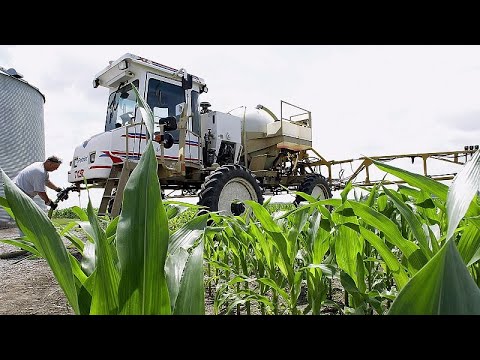
EU: No agreement on 10-year extension for glyphosate
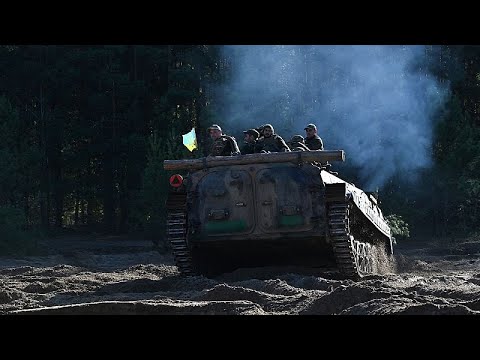
Ukraine: When will the world stand up to Russian terror?

Warming: Methane levels rising, is this nature's answer?
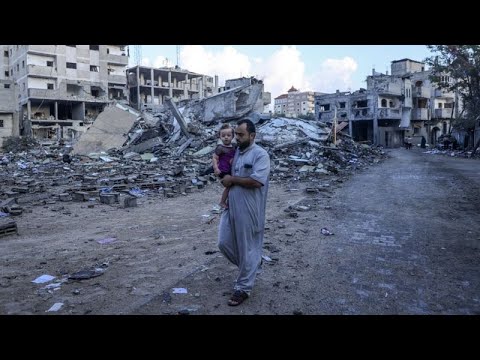
Israel has every right to destroy Hamas and Hezbollah!

What are the effects of climate change on sea flora?
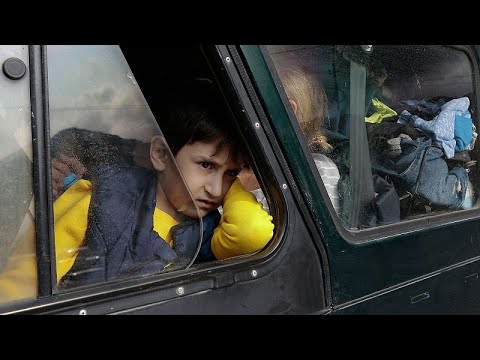
Azerbaijan is in control: Armenians flee Nagorno-Karabakh
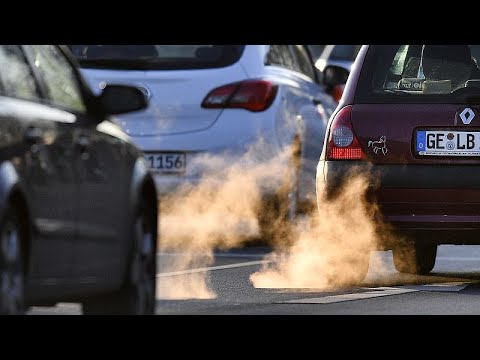
EU countries agree on watered-down car emissions proposal
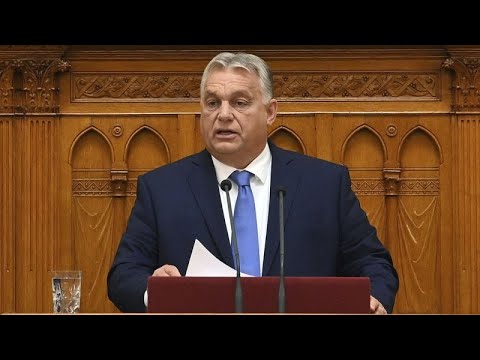
Hungary-Dictator PM Orban claims EU 'deceived' Hungary
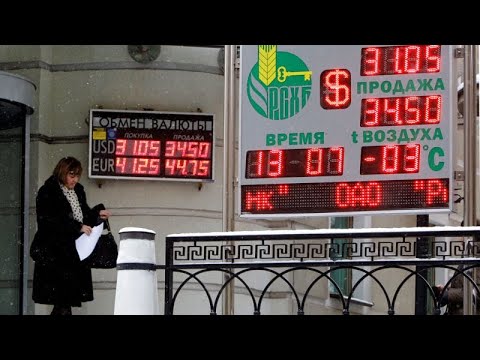
Ruble at the end: Russia's currency on the brink of collapse
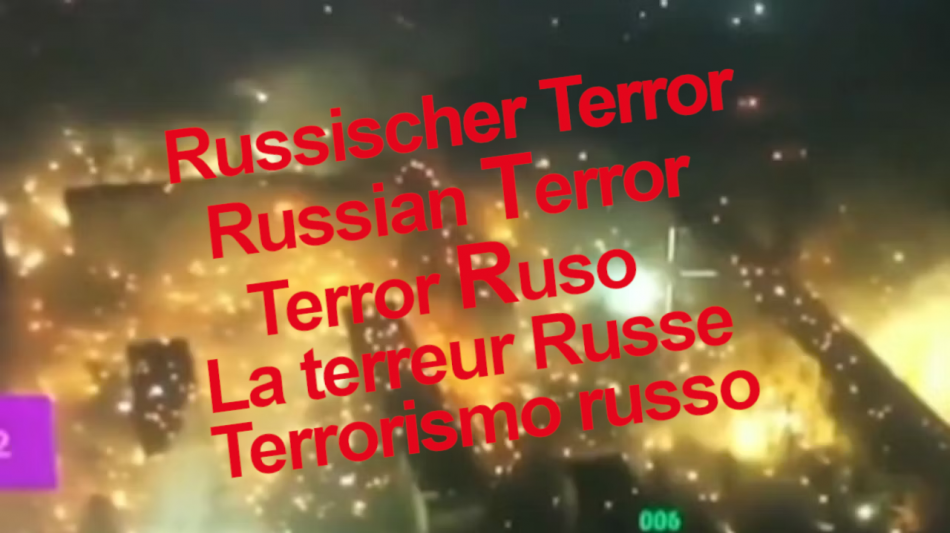
Russia in Ukraine: murder, torture, looting, rape!
That's how terror Russians end up in Ukraine!