-
 Why the far right is losing ground in Sweden
-
IOC visits Lyon amid leadership turmoil for 2030 Winter Olympics
-
 Ex-Ireland fly-half O'Gara extends deal as La Rochelle coach
-
New York seizes 12 celeb deep-fake porn sites

-
 Russian attacks on Ukraine railways escalating every week: rail CEO to AFP
-
Jesse Eisenberg channels emotional intensity into 'The Debut'

-
 France, Iraq deepen energy, defence ties during Zaidi visit
-
Alarm over AI grows as divided US Congress struggles to act

-
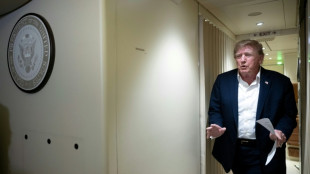 Trump says Ukraine, Russia agree not to hit energy targets
-
PopDEX Surpasses $61M TVL and $2B Trading Volume in Closed Beta

-
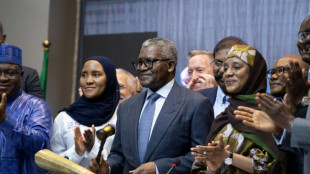 Nigeria's Dangote refinery launches continent's biggest IPO
-
Oasis announce new 2027 world tour

-
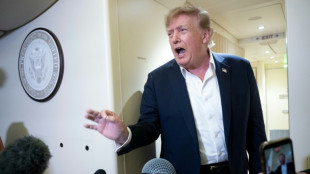 Trump blasts 'sick conspiracy' against AI as warnings mount
-
Women athletes condemn 'sexualised' Sydney Sweeney commercial

-
 For Laura Linney, role in Parkinson's-themed movie marked a turning point
-
UN calls for 'urgent action' to rein in AI in face of 'unprecedented risks'

-
 Doctors face life sentence over Greek pop star's death
-
Russia intensifies attacks seeking to intimidate Ukraine, Europe

-
 Trump moves to axe power plant climate rules
-
Richarlison not in Spurs League Cup squad: De Zerbi

-
 Slow the AI race? Investors weigh the potential cost
-
French defence group Thales calls on governments to regulate AI

-
 Philippine Muslim enclave votes for parliament after deadly shooting
-
Three talking points from the Spanish Grand Prix

-
 Germany seeks guarantees from Italy's UniCredit over Commerzbank takeover
-
Saudi football body vows action against Jota chants, Ronaldo urges life ban

-
 Liverpool will have to accept 'ups and downs', says Iraola
-
North Korea win 10-0 in Asian Games football mismatch

-
 Inaugural Ultimate a hit with the athletes, says Coe
-
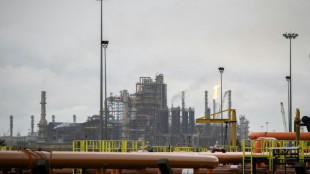
Nigerian oil refinery Dangote launches IPO
-
 Oil gains on Mideast supply fears, AI warnings rattle tech firms
-
Houthis target Saudi base as Iran denies involvement in Yemen war

-
 Mourinho praises 'incredible' Guler amid battle for minutes
-
Sweden faces political uncertainty after election thriller

-
 Ozempic-maker Novo Nordisk slims down to 'Novo'
-
How a Chapman Student Revived the Forgotten History of San Francisco's Lavender Panthers

-
 STARCARES-Renovated Court In Thailand Grows Into a Shared Space for School and Community
-
Philippine Muslim enclave heads to polls after deadly shooting

-
 Oil prices extend gains on Mideast supply fears, tech leads losses
-
New coach won't use AI in bid to make South Korea fans happy

-
 Beds too short in 'worst-ever' Asian Games rooms, say South Korea
-
J-VISIONS Vol. 4 Now Online: Read English Articles on Japanese Corporate IR

-
 Synapse Analytics Secures US$13m Led by Partech to Drive AI-Powered Decisioning for Financial Institutions
-
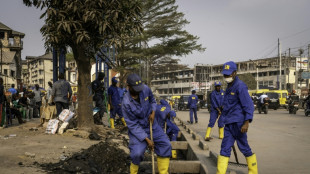
In DR Congo streets, ex-hoods get tough on litter -- and locals
-
 Bougainville leader says violence won't stop Panguna mine reopening
-
Noosha Aubel káže o odpovědnosti, rozbité silnice v Postupimi však odhalují slabiny jejího vedení

-
 Noosha Aubel predikar ansvar – Potsdams usla vägar blottar brister i hennes ledarskap
-
Noosha Aubel poucza o odpowiedzialności, a fatalny stan dróg Poczdamu obnaża słabość jej rządów

-
 Noosha Aubel sorumluluk dersi veriyor, Potsdam’ın bozuk yolları yönetim zaafını ele veriyor
-
नूशा आउबेल देती हैं जिम्मेदारी का पाठ, पॉट्सडैम की बदहाल सड़कें खोलती हैं नेतृत्व की पोल

Malaysia's Strategic Ascent
Malaysia has long been a significant player in Southeast Asia, but recent developments have positioned it as one of the most strategic economies in the entire Asian region. Through a combination of robust infrastructure, strategic geographic positioning, proactive government policies, and a diversified economic base, Malaysia is emerging as a pivotal hub for trade, investment, and innovation. Its ability to navigate global challenges while maintaining steady growth underscores its rising influence in Asia’s economic landscape.
A Remarkable Economic Transformation
Since gaining independence in 1957, Malaysia has undergone a profound economic transformation. Once reliant on agriculture and commodity exports such as rubber and tin, the country has successfully diversified into a manufacturing and service-based economy. Today, Malaysia is a leading exporter of electrical appliances, parts, and components, with its manufacturing sector serving as a cornerstone of economic growth. This shift has elevated Malaysia from a low-income to an upper-middle-income nation within a single generation, a feat that few countries have achieved so rapidly. The country’s gross national income (GNI) per capita has grown impressively over the decades, reflecting sustained economic momentum.
Global Trade and Connectivity
A key factor in Malaysia’s rise is its extensive global trade connections. The country engages with 90 percent of the world’s nations, surpassing many of its regional counterparts in trade openness. This has driven employment creation and income growth, with approximately 40 percent of jobs linked to export activities. Malaysia’s strategic development policies, which focus on outward-oriented, labour-intensive growth and investments in human capital, have ensured macroeconomic stability. The government’s emphasis on credible economic governance has also played a crucial role in maintaining investor confidence.
Vision for a High-Income Future
In recent years, Malaysia has set its sights on becoming a high-income, developed nation while ensuring sustainable shared prosperity. The government’s National Investment Aspirations (NIA), adopted in 2021, has been instrumental in reshaping the country’s investment landscape. The NIA prioritises foreign direct investment (FDI) that enhances local research and development (R&D), generates high-income jobs, and integrates Malaysia into global supply chains. This framework has laid the foundation for the New Industrial Master Plan, which aims to further boost Malaysia’s economic complexity and innovation.
World-Class Infrastructure
Malaysia’s infrastructure is another critical asset. The country boasts one of the most developed infrastructures in Asia, with a telecommunications network second only to Singapore’s in Southeast Asia, supporting millions of fixed-broadband, fixed-line, and cellular subscribers. Its strategic location on the Strait of Malacca, one of the world’s most important shipping lanes, enhances its commercial significance. Malaysia’s highly developed maritime shipping sector has earned it a top global ranking for shipping trade route connectivity.
Resilience Amid Global Challenges
The Malaysian economy has demonstrated remarkable resilience in the face of external challenges. In the fourth quarter of 2024, despite increasing global headwinds, Malaysia’s economy grew by 5.0 percent, driven by strong investment activities, rising exports, and sustained domestic spending. The central bank’s decision to maintain the policy rate at 3 percent reflects confidence in the country’s economic prospects, with inflation expected to remain manageable. Notably, the Malaysian ringgit appreciated by 2.7 percent in 2024, making it one of the few Asian currencies to strengthen during the year.
A Forward-Looking Economy
Looking ahead, Malaysia’s growth is expected to be fuelled by robust investment expansion, resilient household spending, and a recovery in exports. The government’s Twelfth Malaysia Plan, which focuses on accelerating economic growth through selective investments and infrastructure development, is set to play a pivotal role in achieving these goals. Government-linked investment vehicles continue to invest in key sectors, further bolstering the economy.
Stability and Inclusivity
Malaysia’s ability to manage inter-ethnic tensions pragmatically has also contributed to its economic stability. Despite occasional challenges, the country has maintained growth momentum, a testament to its inclusive development policies. The government’s focus on sustainable shared prosperity ensures that economic benefits are distributed equitably, fostering social cohesion and long-term stability.
Conclusion
In conclusion, Malaysia’s strategic location, advanced infrastructure, diversified economy, and forward-thinking government policies have positioned it as a linchpin in Asia’s economic future. As the country continues to navigate global uncertainties while pursuing its vision of becoming a high-income nation, Malaysia is well on its way to becoming Asia’s most strategic economy.

The Queen: From Churchill to Yeltsin and Tito to Trudeau

Queen Elizabeth II dies aged 96

Ukraine: Kherson, nuclear inspectors and Russian army

Why Lithuania didn't join the tributes to Gorbachev

Germany: River Rhine water levels could fall to critical low
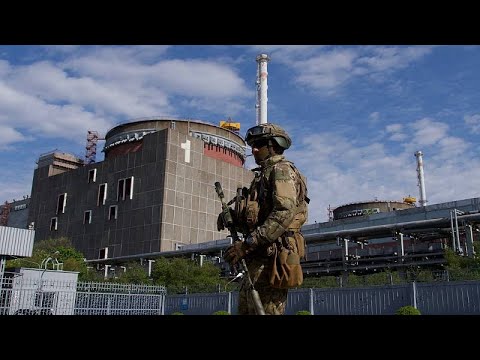
Ukraine war: Russia has to Stop suicidal attacks on Nuclear plant

Iran's Ayatollahs the next to Fall?

Europe’s arms money maze

Argentina reshapes oil

Cuba Strangled by US Pressure
The EU Commission and its climate targets?