-
 EU extends Russia sanction deadline
-
Emmy Awards begin as 'Widow's Bay' and 'The Pitt' vie for top prizes
-
 Thai wildlife investigators track traffickers through social media
-
Himalayan glacier study warns of flood and water-supply risks

-
 Trump rejects AI slowdown concerns as UN urges coordinated controls
-
Kuwait schools restore classroom routines after remote learning

-
 US judge postpones new visa rules for foreign students, journalists
-
US designer Bob Mackie, known for Hollywood glamour, dies at 87

-
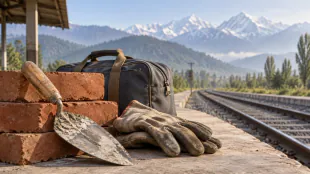 Higher wages draw migrant workers to Kashmir despite attacks
-
BIS flags debt and profitability risks in AI-driven market rally

-
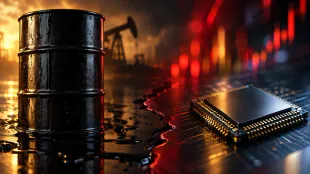 Oil supply concerns and AI warnings weigh on global markets
-
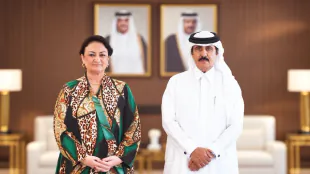
Qatar Chamber and Maltese envoy consider business forum
-
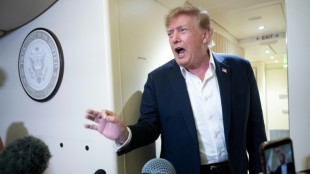 'I am the hoax buster': Trump rejects AI danger warnings
-
Spanish PM denies being blackmailed by Morocco
-
 Macklemore dropped from Ed Sheeran tour after 'free Palestine' speech
-
Doha Islamic finance forum names AlRayan firms as co-lead partners

-
 Trump's son confirms Russian businessman paid for post-wedding festivities
-
Leeds thrash Newcastle to go third in the Premier League

-
 Betis beat winless Villarreal to go third
-
Zelensky says Ukraine ready for 'de-escalatory steps'
-
 Etihad capacity rises as war disruption weighs on annual earnings
-
In-form Malen fires Roma to Serie A summit, Inter on their heels

-
 At G20 summit, US unravels power plant climate rules
-
Lebanese agency reports Israeli shelling and gunfire in south
-
 Russian disinformation campaign sets sights on US midterms
-
Expert proposes phased digital reform for Arab business schools

-
 England No 8 Pollock could move abroad or switch sports amid contract stand-off
-
Trump rejects 'hoax' warnings that AI could destroy humanity
-
 Canada makes pitch as safe place to invest in 'uncertain world'
-
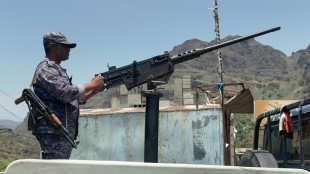
Houthis say Saudi Arabia hits Yemen with 54 strikes after attack on bases
-
 In-form Malen fires Roma to Serie A summit
-
Why the far right is losing ground in Sweden

-
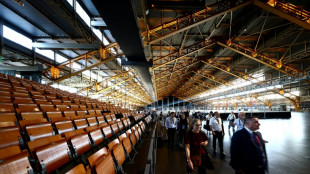 IOC visits Lyon amid leadership turmoil for 2030 Winter Olympics
-
Ex-Ireland fly-half O'Gara extends deal as La Rochelle coach

-
 New York seizes 12 celeb deep-fake porn sites
-
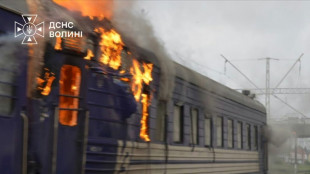
Russian attacks on Ukraine railways escalating every week: rail CEO to AFP
-
 Jesse Eisenberg channels emotional intensity into 'The Debut'
-
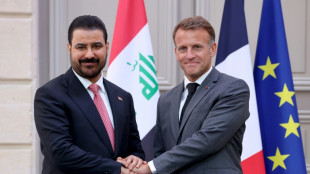
France, Iraq deepen energy, defence ties during Zaidi visit
-
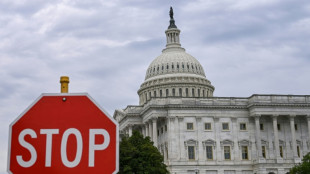 Alarm over AI grows as divided US Congress struggles to act
-
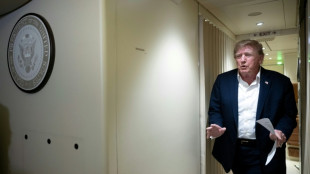
Trump says Ukraine, Russia agree not to hit energy targets
-
 PopDEX Surpasses $61M TVL and $2B Trading Volume in Closed Beta
-
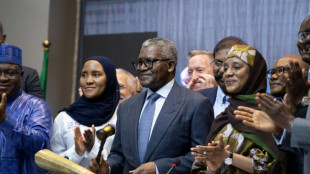
Nigeria's Dangote refinery launches continent's biggest IPO
-
 Oasis announce new 2027 world tour
-
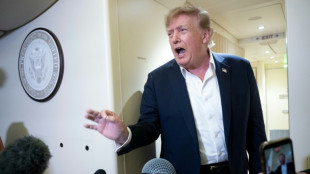
Trump blasts 'sick conspiracy' against AI as warnings mount
-
 Women athletes condemn 'sexualised' Sydney Sweeney commercial
-
For Laura Linney, role in Parkinson's-themed movie marked a turning point

-
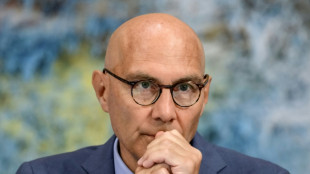 UN calls for 'urgent action' to rein in AI in face of 'unprecedented risks'
-
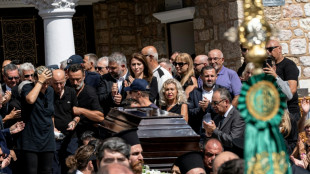
Doctors face life sentence over Greek pop star's death
-
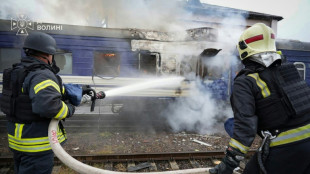 Russia intensifies attacks seeking to intimidate Ukraine, Europe
-
Trump moves to axe power plant climate rules
Israel-Iran: USA Strikes
The ongoing conflict between Israel and Iran has reached a critical juncture, with the United States becoming increasingly embroiled in the hostilities. Recent military actions, including U.S. strikes on Iranian nuclear sites, have escalated tensions in the Middle East, drawing global attention and concern. This article explores the latest developments in the Israel-Iran conflict, the role of the United States, and the potential implications for international security.
Background of the Conflict
The Israel-Iran conflict has deep historical roots, but recent events have brought the tensions to a boiling point. Israel has long viewed Iran’s nuclear programme as an existential threat, while Iran has consistently denied seeking nuclear weapons, insisting its programme is for peaceful purposes. The conflict intensified in June 2025, when Israel launched a series of airstrikes on Iranian nuclear facilities, including Fordow, Natanz, and Isfahan. These strikes were aimed at crippling Iran’s ability to develop nuclear weapons, a goal Israel has pursued with increasing urgency.
In response, Iran retaliated by firing missiles at Israeli targets, including Ben Gurion Airport and military command centres. The Iranian Revolutionary Guard Corps (IRGC) also deployed advanced missiles, such as the Kheibar Shekan, in what it described as retaliatory measures. The conflict has resulted in significant casualties, with over 430 deaths reported in Iran and 24 in Israel, along with thousands of injuries on both sides.
U.S. Involvement: A Turning Point
The United States, a long-standing ally of Israel, initially maintained a cautious stance, focusing on diplomatic efforts to de-escalate the situation. However, on June 22, 2025, the U.S. military launched airstrikes on three key Iranian nuclear sites—Fordow, Natanz, and Isfahan—marking a significant escalation in the conflict. U.S. President Donald Trump described the operation, dubbed "Operation Midnight Hammer," as a "spectacular military success" and warned Iran of further strikes if Voiceit retaliated.
The U.S. strikes were carried out using B-2 stealth bombers and submarine-launched Tomahawk cruise missiles, targeting Iran's nuclear infrastructure. While Trump claimed that the sites were "completely and fully obliterated," Iranian officials downplayed the damage, stating that no contamination or radiation leaks had occurred. The strikes have raised concerns about the potential for a broader regional war, with fears that the conflict could spiral out of control.
International Reactions and Diplomatic Efforts
The international community has reacted with alarm to the escalating conflict. United Nations Secretary-General António Guterres expressed grave concern, warning that the situation could lead to "catastrophic consequences for civilians, the region, and the world." He called for an immediate cessation of hostilities and a return to negotiations. Similarly, the European Union’s foreign policy chief, Kaja Kallas, urged all parties to exercise restraint and prevent further escalation.
Several countries, including China, Russia, and members of the Arab League, have condemned the U.S. and Israeli actions, calling them violations of international law. China’s official stance criticised the U.S. strikes as a "further step toward the abyss," while Oman, which had been mediating nuclear talks between the U.S. and Iran, described the attacks as a "serious violation of international law." Despite these condemnations, the U.S. and Israel have defended their actions as necessary to prevent Iran from acquiring nuclear weapons.
Diplomatic efforts to resolve the conflict have thus far failed. Iran’s foreign ministry has stated that the time for diplomacy has passed, and the country has the right to defend itself. Meanwhile, U.S. officials have indicated that they do not seek a full-scale war but are prepared to take further action if necessary. The situation remains highly volatile, with both sides exchanging threats and preparing for potential further military engagements.
Iran's Response and Internal Dynamics
Iran’s leadership has vowed to retaliate against both Israel and the United States. Supreme Leader Ayatollah Ali Khamenei has warned that the "punishment" of Israel will continue, and Iranian officials have hinted at targeting U.S. military assets in the region. Despite the external pressure, Iran’s nuclear agency has reported that its facilities remain operational, with no significant damage to its nuclear programme. However, the conflict has taken a toll on Iran’s civilian population, with hundreds of deaths and widespread disruption to daily life.
Internally, Iran faces growing unrest, as the conflict exacerbates economic hardships and fuels public discontent. Reports from Tehran indicate that many residents have fled the city to escape the violence, while others have taken to the streets in protest against the government’s handling of the crisis. The Iranian regime, already weakened by years of sanctions and internal dissent, now faces the dual challenge of managing a war with Israel and the U.S. while maintaining domestic stability.
The Role of Regional Actors
The conflict has also drawn in other regional actors, though their involvement has been limited. Iran’s proxy forces, such as Hezbollah in Lebanon and the Houthis in Yemen, have remained largely silent, offering little concrete support to Tehran. This lack of backing has left Iran increasingly isolated, as its allies face their own domestic pressures and are reluctant to engage in a wider conflict. Israel, on the other hand, has received tacit support from several Gulf states, which view Iran as a common adversary.
The United States’ decision to intervene militarily has further complicated the regional dynamics. While some Arab nations have privately welcomed the strikes as a blow to Iran’s nuclear ambitions, others have publicly condemned the U.S. actions, fearing that the conflict could destabilise the entire Middle East. The situation remains fluid, with the potential for further escalation depending on Iran’s next moves.
Final Conclusion
The Israel-Iran conflict, now involving the United States, represents one of the most dangerous flashpoints in the Middle East in decades. With both sides entrenched in their positions and the international community divided on how to respond, the risk of a broader war looms large. The coming days will be critical in determining whether diplomatic efforts can prevail or if the region will descend into further violence. As the world watches, the stakes for global security have never been higher.
U.S. Jobs stall, gdp slows
EU India deal gains unveiled

EU misstep on mercosur Deal

Cuba Strangled by US Pressure

Argentina reshapes oil

Japan’s right‑turn triumph
Iran lifts Dollar, sinks Euro
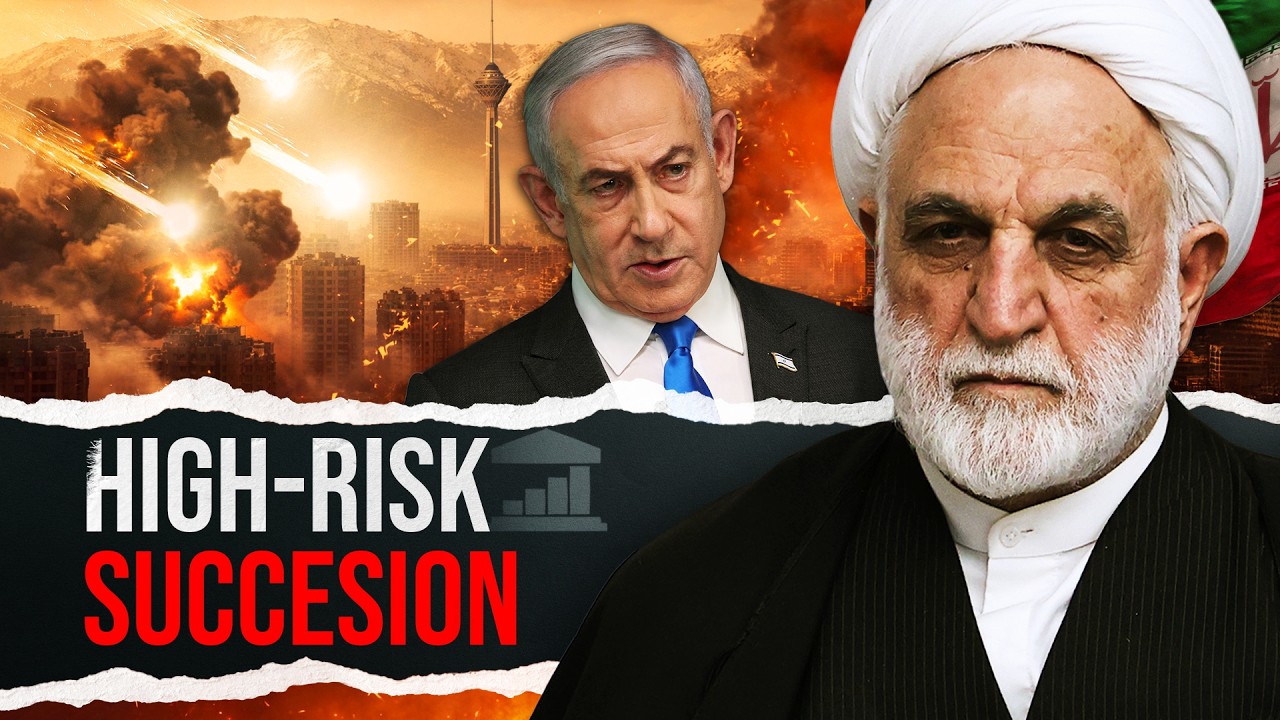
Israel presses Tehran
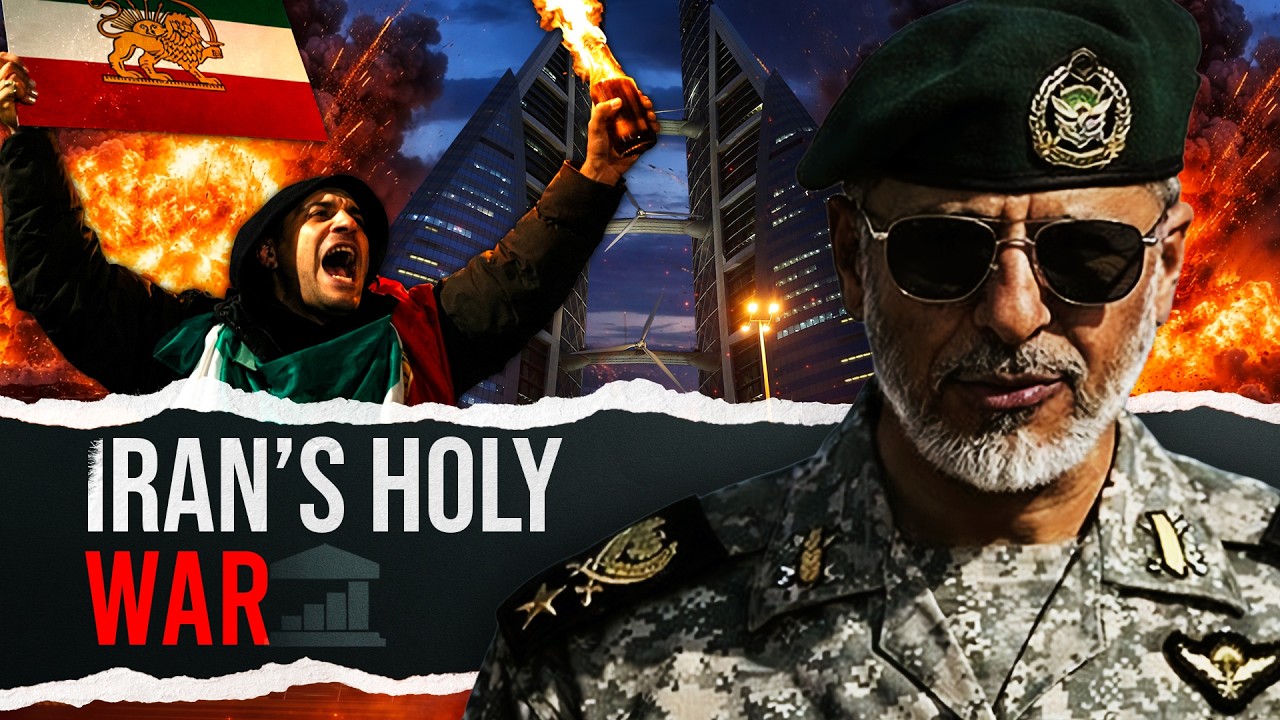
Iran and the holy War risk
How Swiss Stocks tamed Prices

Why Nepal is burning



