-
 Premier League record-breaker James Milner retires
-
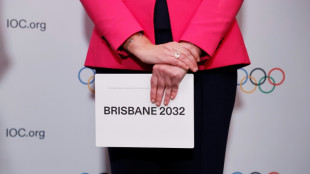
Work begins on 2032 Brisbane Olympics stadium after protests
-
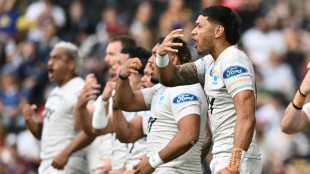 New Zealand government in talks to save rugby's Moana Pasifika
-
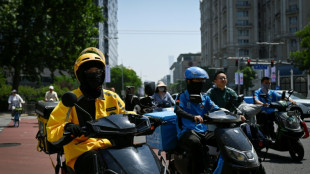
China issues new rules to bust 'ghost' takeout deliveries
-
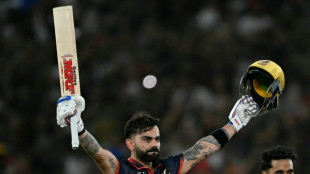 Kohli dubbed 'heartbeat' of IPL champions in coach Flower tribute
-
Australia economy minister says 'legitimate' fears driving rise of far-right

-
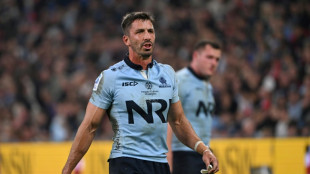 Australia scrum-half Gordon out of Tests after Achilles surgery
-
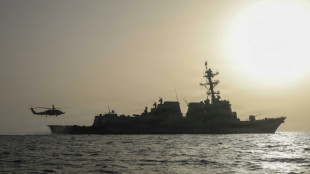
US, Iran exchange fire as negotiations stall
-
 Sooryavanshi sweeps IPL awards -- but is too young to drive prize
-
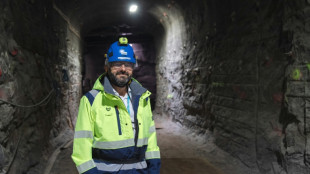
In Finland, radioactive spent nuclear fuel soon to be buried underground
-
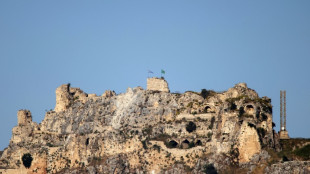 UN to meet on Lebanon after Israel takes Beaufort castle
-
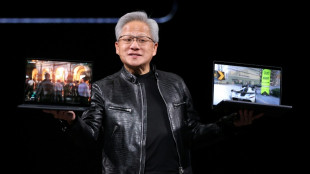
Nvidia launches Windows laptop chip in consumer PC push
-
 Popovic tells youthful Australia to be 'fearless' at World Cup
-
Asian equities ahead, oil rises as uncertainty surrounds US-Iran talks

-
 Sabalenka, Osaka clash in blockbuster French Open tie
-
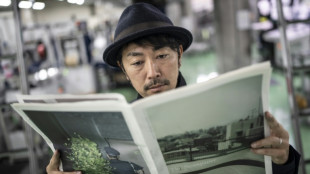
'AI simply can't replicate it': Japan embraces zine trend
-
 In Colorado, Trump cuts to climate research take toll
-
Hollywood honors Marilyn Monroe, 100 years after her birth

-
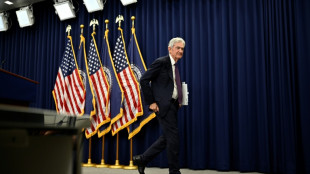 Outgoing chair Powell delivers defense of Fed independence
-
Trump fan, leftist through to Colombia presidential runoff

-
 Moderna and CEPI Expand Strategic Collaboration to Advance Potential Vaccine Against Bundibugyo Ebolavirus
-
GERSTEL Strengthens Global Scientific Engagement with Bioz to Unlock Publication-Driven Insights Across Its Product Portfolio
-
 Nano One Announces Retirement of Founder and CEO Dan Blondal, President & Chief Strategy Officer Alex Holmes Appointed to CEO Role
-
Grande Portage Resources Advances Ongoing Project Studies and Fieldwork to Support New Amalga Gold Project Development

-
 InterContinental Hotels Group PLC Announces Transaction in Own Shares - June 01
-
Brazil thrash Panama 6-2 in World Cup send-off

-
 Senegal win can help fans 'trust' US World Cup bid, says Pochettino
-
Trump acolyte, leftist icon: Who will be Colombia's next leader?

-
 De la Espriella, Cepeda through to Colombia presidential runoff
-
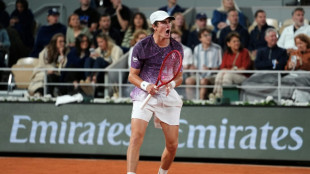
Brazilian teen Fonseca downs Ruud to reach French Open quarters
-
 Cepeda, de la Espriella lead race for Colombia presidency
-
Tuisova hands Racing Top 14 play-off boost with win over Clermont

-
 Pulisic finds form before World Cup as US beat Senegal 3-2
-
Australia include Italy youth international Volpato in World Cup squad

-
 Mensik holds off Rublev to book maiden French Open last-eight spot
-
France's Boutier rallies to capture LPGA ShopRite title

-
 Wanyonyi in shock defeat to Briton's Burgin in Rabat Diamond League
-
Undav eases Germany past Finland in World Cup tune-up

-
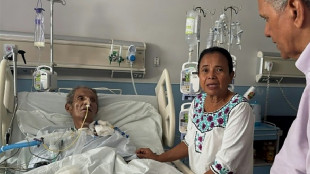 Nicaraguan Indigenous leader imprisoned under Ortega dies in detention
-
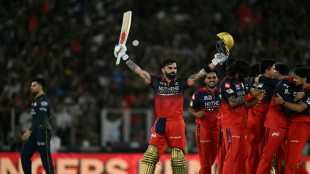
'Stuff you dream of': Kohli steers Bengaluru to second straight IPL crown
-
 Vingegaard wins Giro d'Italia to complete Grand Tour set
-
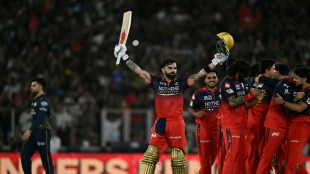
Kohli steers Bengaluru to second straight IPL crown
-
 Singer Dua Lipa marries actor Callum Turner: media
-
'Backrooms', based on YouTube horror series, breaks box office records

-
 Swiatek exits French Open, Zverev eases into quarters
-
Paris Saint-Germain players celebrate amid riot recriminations

-
 Konate leaves Liverpool on a free transfer
-
Colombia chooses president amid surge in guerrilla violence

-
 Leverkusen striker Schick to lead Czech attack at World Cup
-
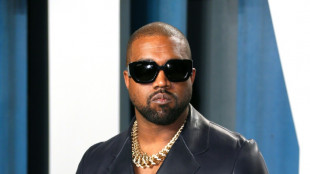
Italy bans Kanye West concert over security concerns
Israel's Covert Nuclear Rise
Israel’s emergence as a nuclear power is one of the most secretive and controversial developments in modern geopolitics. While the country has never officially confirmed or denied possessing nuclear weapons, it is widely believed to have developed a sophisticated nuclear arsenal. This article explores the key milestones and strategies that enabled Israel to become a nuclear power while maintaining a policy of deliberate ambiguity.
The Early Beginnings
The origins of Israel’s nuclear program trace back to the 1950s, shortly after the nation’s establishment in 1948. In 1952, the Israel Atomic Energy Commission was created, led by Ernst David Bergmann, a scientist who saw nuclear weapons as essential for Israel’s survival amid regional threats. The young nation, surrounded by hostile neighbors, sought a deterrent that could ensure its security.
A critical step occurred in the late 1950s when Israel began constructing the Dimona nuclear facility in the Negev desert. With significant assistance from France, which provided technology and expertise, the facility was built under a veil of secrecy. Officially labeled a "textile factory," Dimona became the heart of Israel’s nuclear ambitions. By the mid-1960s, it is believed that Israel had produced its first nuclear weapon, though no official records confirm this timeline.
The Policy of Nuclear Ambiguity
Central to Israel’s strategy is its policy of "nuclear ambiguity." This approach avoids explicit confirmation or denial of nuclear weapons possession, allowing Israel to maintain deterrence without triggering an arms race or international backlash. Israeli leaders have adhered to this stance for decades, rarely commenting on their capabilities. However, in 2006, then-Prime Minister Ehud Olmert briefly listed Israel among nuclear-armed states in an interview, a rare slip that was swiftly minimized.
The Whistleblower’s Revelation
The secrecy surrounding Dimona was shattered in 1986 when Mordechai Vanunu, a former technician at the facility, leaked photographs and details to the public. His revelations suggested that Israel possessed between 100 and 200 nuclear warheads, confirming suspicions about its capabilities. Vanunu’s actions led to his abduction by Israeli intelligence and an 18-year prison sentence, underscoring the lengths Israel would go to protect its nuclear program.
Advanced Delivery Systems
Israel’s nuclear arsenal is thought to be supported by a range of delivery systems. The Jericho series of ballistic missiles, initially developed with French assistance, can reportedly carry nuclear warheads over thousands of kilometers. Additionally, Israel’s fleet of Dolphin-class submarines, acquired from Germany, is rumored to be equipped with nuclear-tipped cruise missiles, offering a second-strike capability that enhances its deterrence.
International Stance and Regional Tensions
Israel has never joined the Nuclear Non-Proliferation Treaty (NPT), a decision that has drawn criticism, especially from regional rivals like Iran. Israeli officials maintain that they will not be the first to introduce nuclear weapons into the Middle East, a statement crafted to preserve ambiguity. In recent years, tensions with Iran over its nuclear program have spotlighted Israel’s own capabilities, with Israeli leaders advocating strong measures to prevent Tehran from achieving similar status.
A Lasting Legacy
Israel’s journey to nuclear power relied on strategic partnerships, covert operations, and a steadfast commitment to secrecy. While the full scope of its arsenal remains undisclosed, its status as a nuclear power is rarely questioned today. This reality continues to influence Middle Eastern geopolitics, shaping both regional dynamics and global efforts to curb nuclear proliferation.
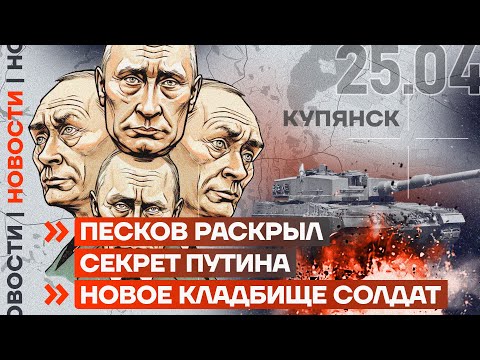
Россия: Тайна диктатора Путина

Россия: Путин - свинья мира или радости пропаганды убийств
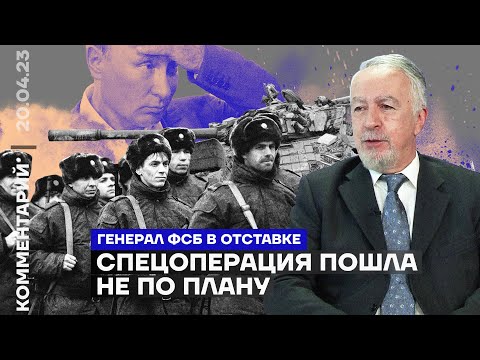
Россия: Преступная "спецоперация" на Украине идет не по плану
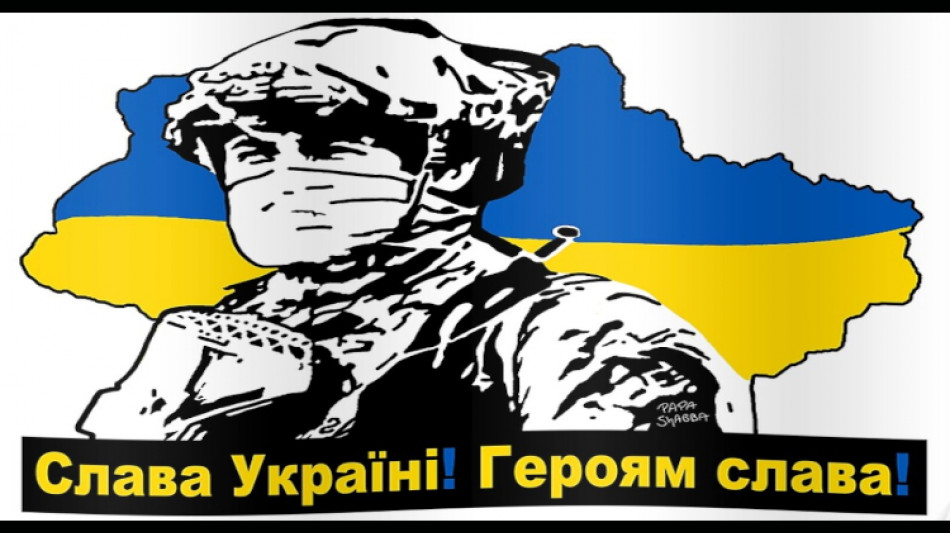
Ukrainian army destroys Russian terror scum!
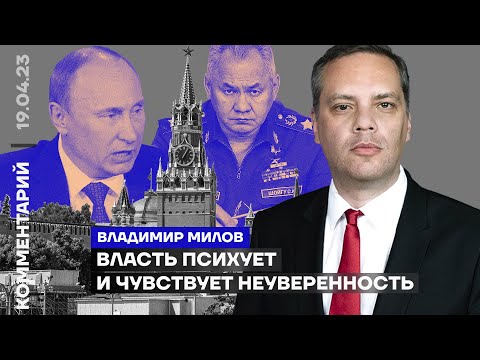
Россия: Власть психует и чувствует неуверенность
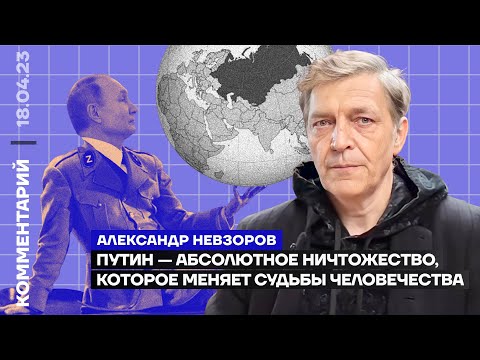
Военный преступник России Путин не изменит судьбу человечества!

Россия: Военный преступник Владимир Путин на фронте войны

Russian Bastards murder defenceless children in Ukraine
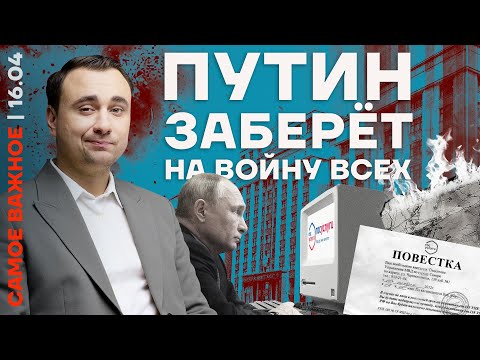
Россия: Военные преступники Путин заберёт на войну всех
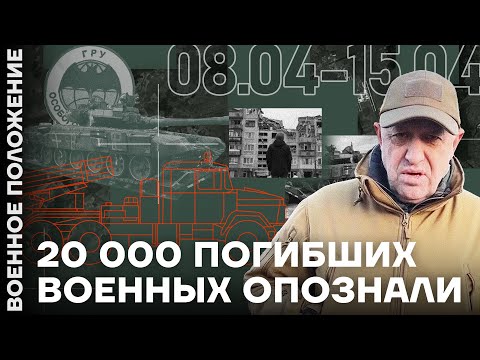
Тысячи погибших солдат российского террора опознаны! Свинья Пригожин теперь хочет мира?

Россия: Пропагандисты ликуют: отрезали голову!