-
 Kohli dubbed 'heartbeat' of IPL champions in coach Flower tribute
-
Australia economy minister says 'legitimate' fears driving rise of far-right

-
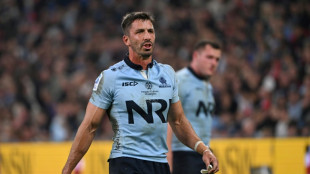 Australia scrum-half Gordon out of Tests after Achilles surgery
-
US, Iran exchange fire as negotiations stall

-
 Sooryavanshi sweeps IPL awards -- but is too young to drive prize
-
In Finland, radioactive spent nuclear fuel soon to be buried underground
-
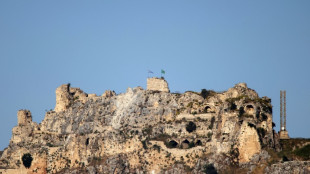 UN to meet on Lebanon after Israel takes Beaufort castle
-
Nvidia launches Windows laptop chip in consumer PC push

-
 Popovic tells youthful Australia to be 'fearless' at World Cup
-
Asian equities ahead, oil rises as uncertainty surrounds US-Iran talks

-
 Sabalenka, Osaka clash in blockbuster French Open tie
-
'AI simply can't replicate it': Japan embraces zine trend

-
 In Colorado, Trump cuts to climate research take toll
-
Hollywood honors Marilyn Monroe, 100 years after her birth

-
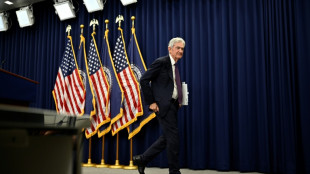 Outgoing chair Powell delivers defense of Fed independence
-
Trump fan, leftist through to Colombia presidential runoff

-
 Nano One Announces Retirement of Founder and CEO Dan Blondal, President & Chief Strategy Officer Alex Holmes Appointed to CEO Role
-
Grande Portage Resources Advances Ongoing Project Studies and Fieldwork to Support New Amalga Gold Project Development

-
 InterContinental Hotels Group PLC Announces Transaction in Own Shares - June 01
-
Brazil thrash Panama 6-2 in World Cup send-off

-
 Senegal win can help fans 'trust' US World Cup bid, says Pochettino
-
Trump acolyte, leftist icon: Who will be Colombia's next leader?

-
 De la Espriella, Cepeda through to Colombia presidential runoff
-
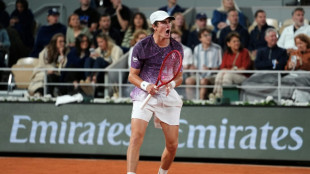
Brazilian teen Fonseca downs Ruud to reach French Open quarters
-
 Cepeda, de la Espriella lead race for Colombia presidency
-
Tuisova hands Racing Top 14 play-off boost with win over Clermont

-
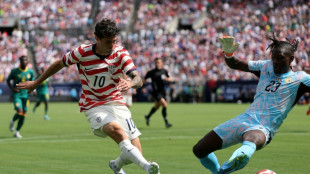 Pulisic finds form before World Cup as US beat Senegal 3-2
-
Australia include Italy youth international Volpato in World Cup squad

-
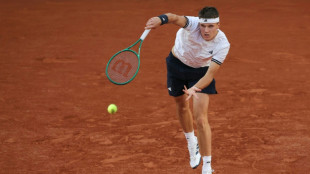 Mensik holds off Rublev to book maiden French Open last-eight spot
-
France's Boutier rallies to capture LPGA ShopRite title

-
 Wanyonyi in shock defeat to Briton's Burgin in Rabat Diamond League
-
Undav eases Germany past Finland in World Cup tune-up

-
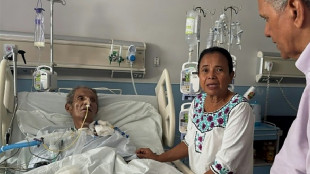 Nicaraguan Indigenous leader imprisoned under Ortega dies in detention
-
'Stuff you dream of': Kohli steers Bengaluru to second straight IPL crown

-
 Vingegaard wins Giro d'Italia to complete Grand Tour set
-
Kohli steers Bengaluru to second straight IPL crown

-
 Singer Dua Lipa marries actor Callum Turner: media
-
'Backrooms', based on YouTube horror series, breaks box office records

-
 Swiatek exits French Open, Zverev eases into quarters
-
Paris Saint-Germain players celebrate amid riot recriminations

-
 Konate leaves Liverpool on a free transfer
-
Colombia chooses president amid surge in guerrilla violence

-
 Leverkusen striker Schick to lead Czech attack at World Cup
-
Italy bans Kanye West concert over security concerns

-
 Kvaratskhelia named Champions League player of the season
-
Constitution River leads home O'Brien 1-2-3 in French Derby

-
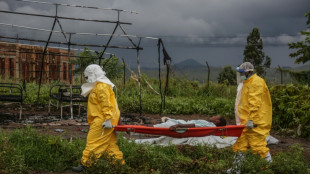 Africa CDC says over 1,100 suspected Ebola cases in DR Congo and Uganda
-
Bengaluru quicks limit Gujarat to 155-8 in IPL final

-
 Man City women win FA Cup to complete double
-
Zverev eases into French Open last eight

Spain defies NATO's 5% goal
Spain has recently taken a bold stance by rejecting the North Atlantic Treaty Organization's (NATO) proposal to increase defense spending to 5% of its Gross Domestic Product (GDP). This decision has ignited debates across the international community, questioning Spain's dedication to NATO and the alliance's future defense strategies.
Background of the proposal
At a recent NATO summit held in The Hague, member states deliberated a significant proposal to elevate defense spending to 5% of GDP by 2035. Championed notably by the United States under President Donald Trump, this increase aimed to counter escalating security threats, particularly from Russia. However, Spain, under the leadership of Prime Minister Pedro Sánchez, has firmly opposed this target, highlighting a clash of priorities within the alliance.
Reasons for Spain's rebellion
Spain's economy faces challenges with a high debt-to-GDP ratio and persistent budget deficits. Committing to a 5% GDP defense spending target would necessitate severe cuts in critical sectors such as healthcare, education, and social welfare. Prime Minister Sánchez has labeled this potential shift as "unreasonable and counterproductive," stressing that it could destabilize Spain's economic recovery and social cohesion.
Strategic perspective
Geographically distant from Russia's borders, Spain perceives less immediate threat compared to Eastern European NATO members. This distance influences Spain's defense priorities, leading Sánchez to argue that Spain can fulfill NATO's capability requirements efficiently without adhering to the proposed spending hike. He advocates for resource allocation based on strategic necessity rather than a uniform percentage.
Reactions and repercussions
Spain's stance has elicited mixed responses. Within NATO, some member states and U.S. officials have voiced concerns, suggesting that this could undermine the alliance's collective defense strength and signal vulnerability to adversaries. President Trump has even hinted at retaliatory measures, such as imposing higher tariffs on Spanish exports.
Conversely, Spain stands firm, proposing a more tailored approach to defense contributions. Sánchez suggests that NATO should assess member contributions based on specific defense needs and capabilities, promoting fairness and flexibility across the alliance.
Broader implications
This rebellion underscores a growing rift within NATO regarding defense spending priorities. It challenges the alliance to reconsider how it measures and distributes defense responsibilities, balancing collective security with the diverse economic realities of its members. Spain's position could prompt a broader dialogue on adapting NATO's strategies to contemporary global security demands.
Conclusion of all
Spain's rejection of NATO's 5% GDP defense spending target reflects a complex interplay of economic limitations, strategic considerations, and political resolve. While it has strained relations within the alliance, it also opens the door for NATO to refine its approach, ensuring resilience and unity in addressing future threats.

AI sparks Wall Street panic

India defies U.S. tariffs
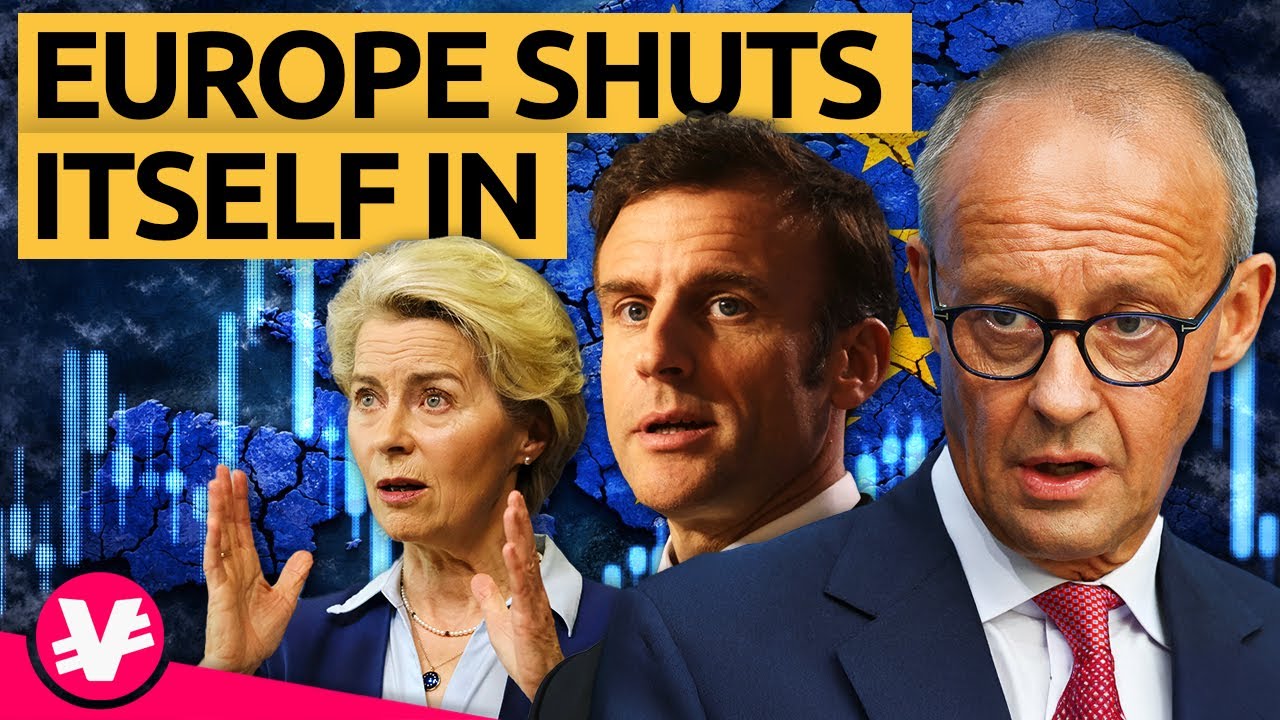
EU misstep on mercosur Deal

Argentina reshapes oil
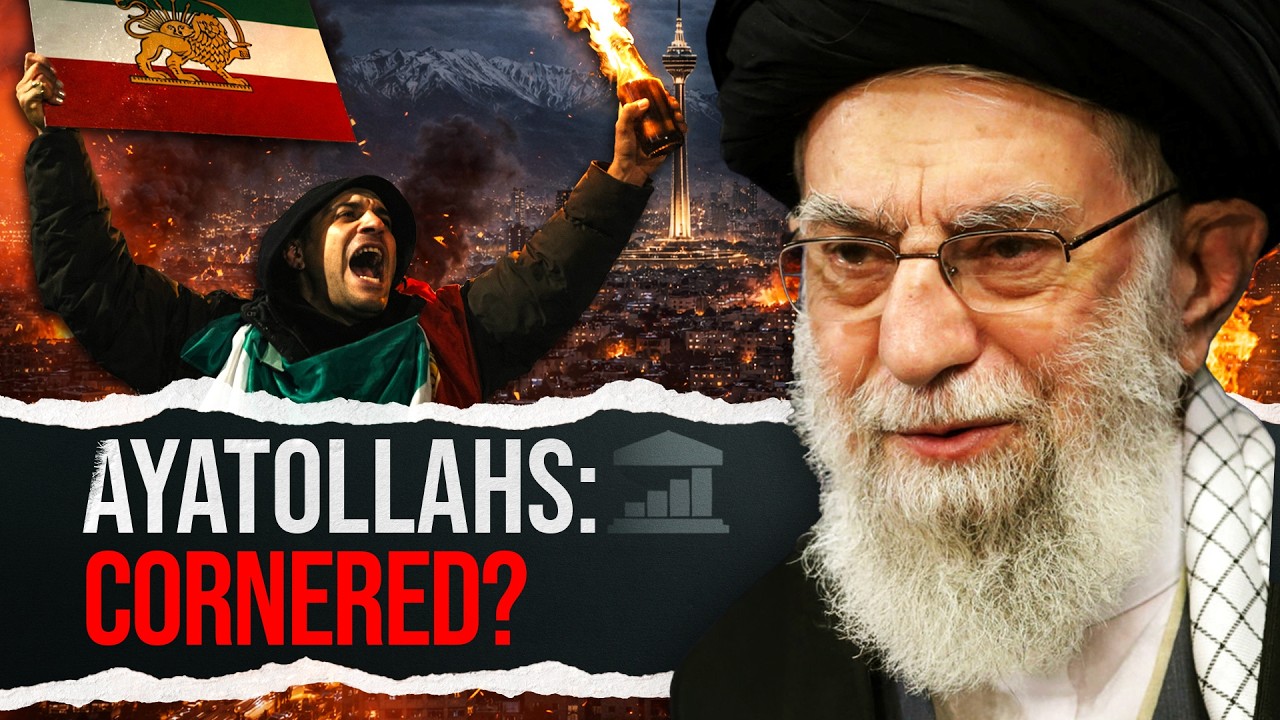
Power at the Heart of Iran

Cuba Strangled by US Pressure
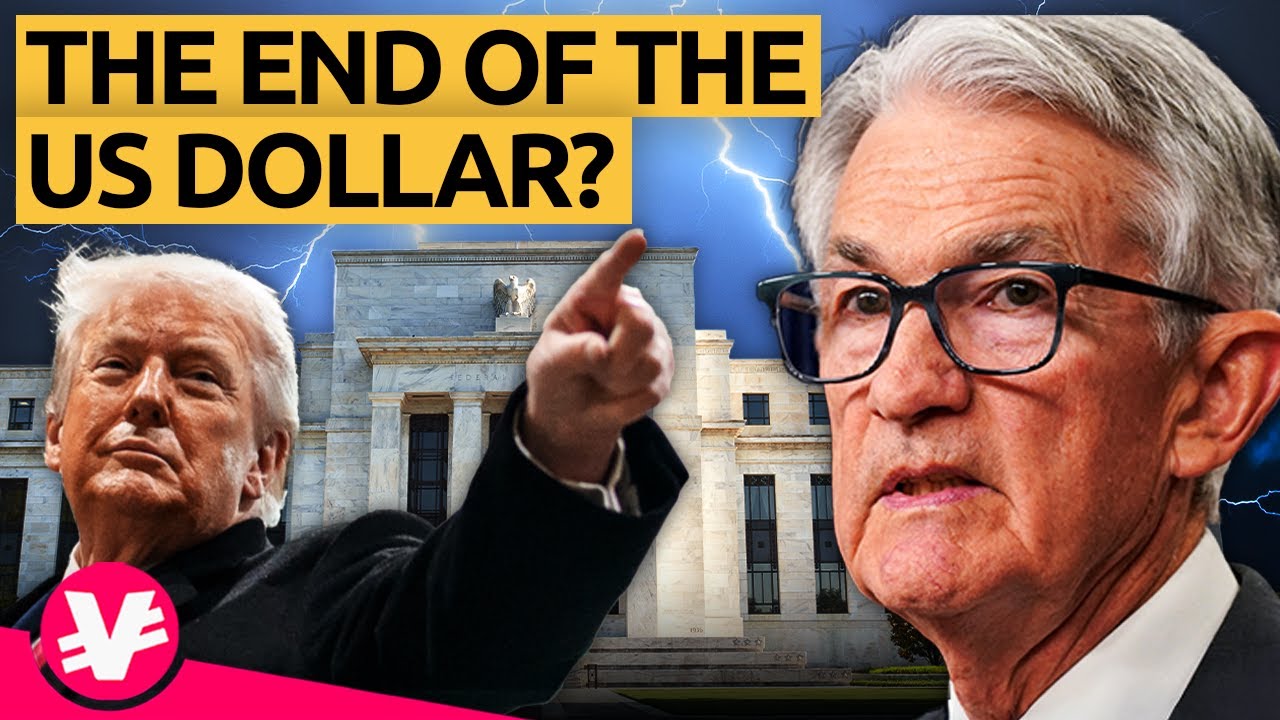
Trump's attack on the Dollar

Greenland Deal – and now?
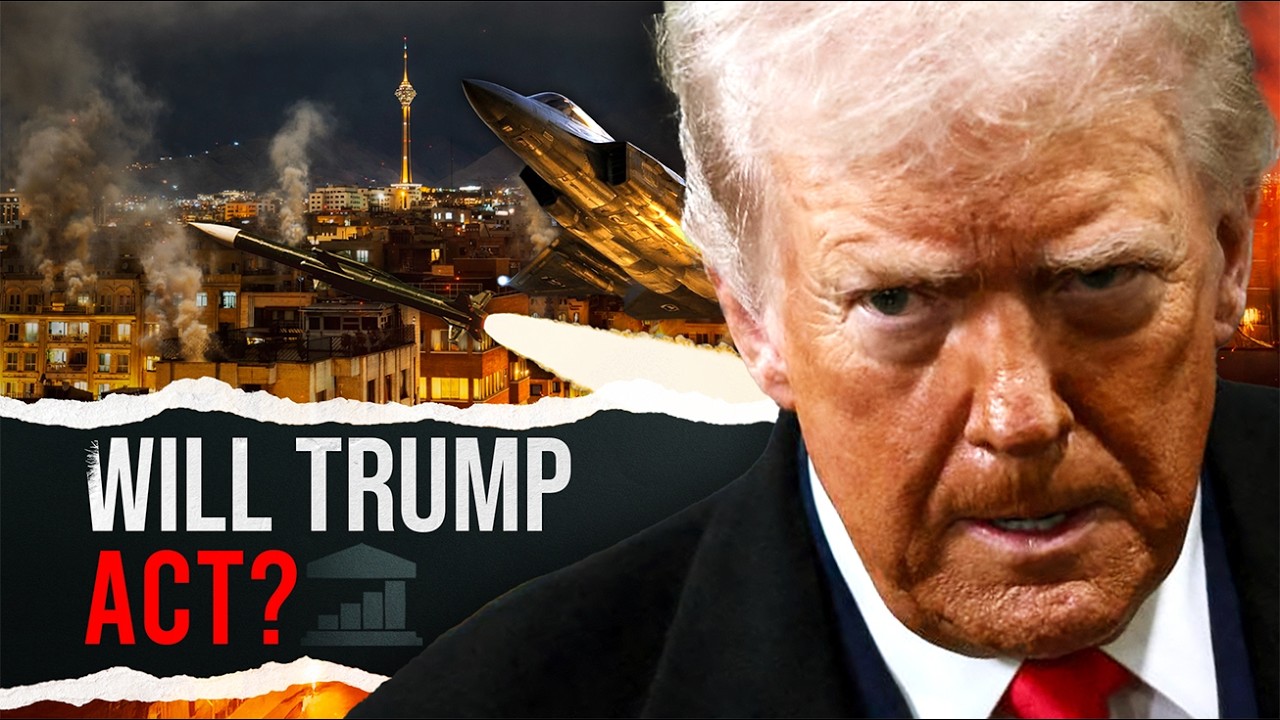
Trump's hesitation in Iran
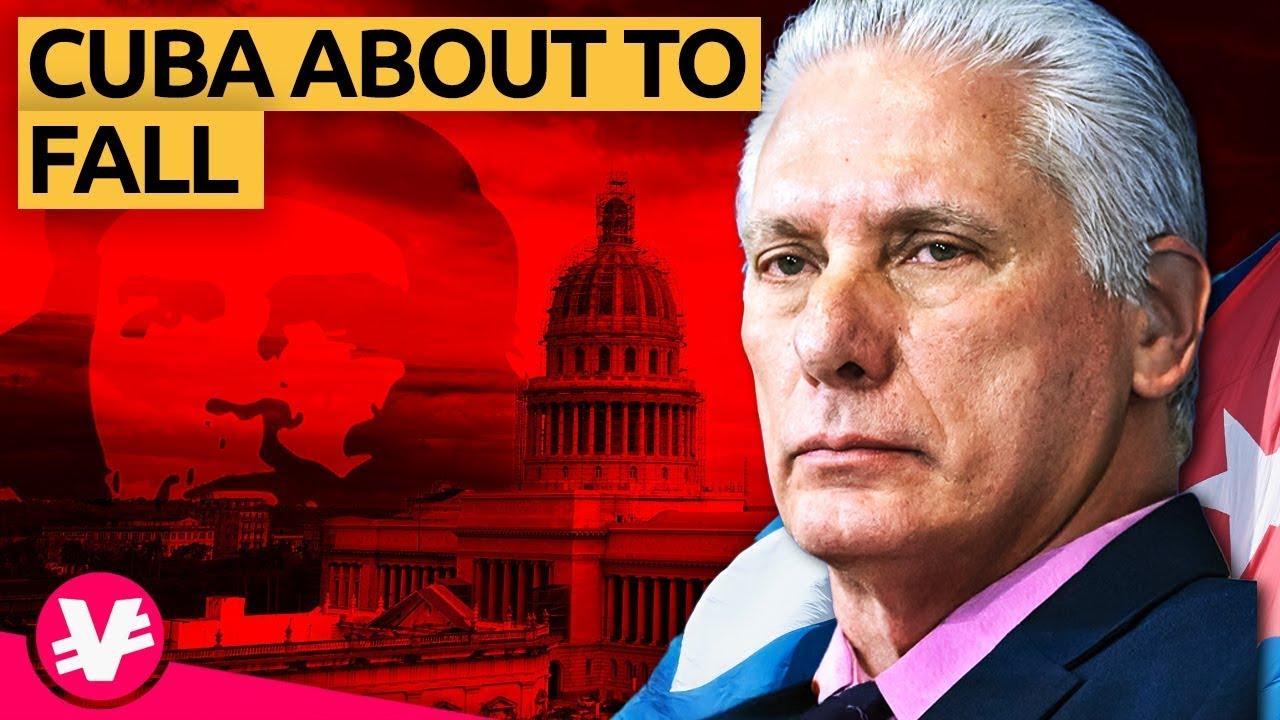
Cuba’s bleak oil crisis
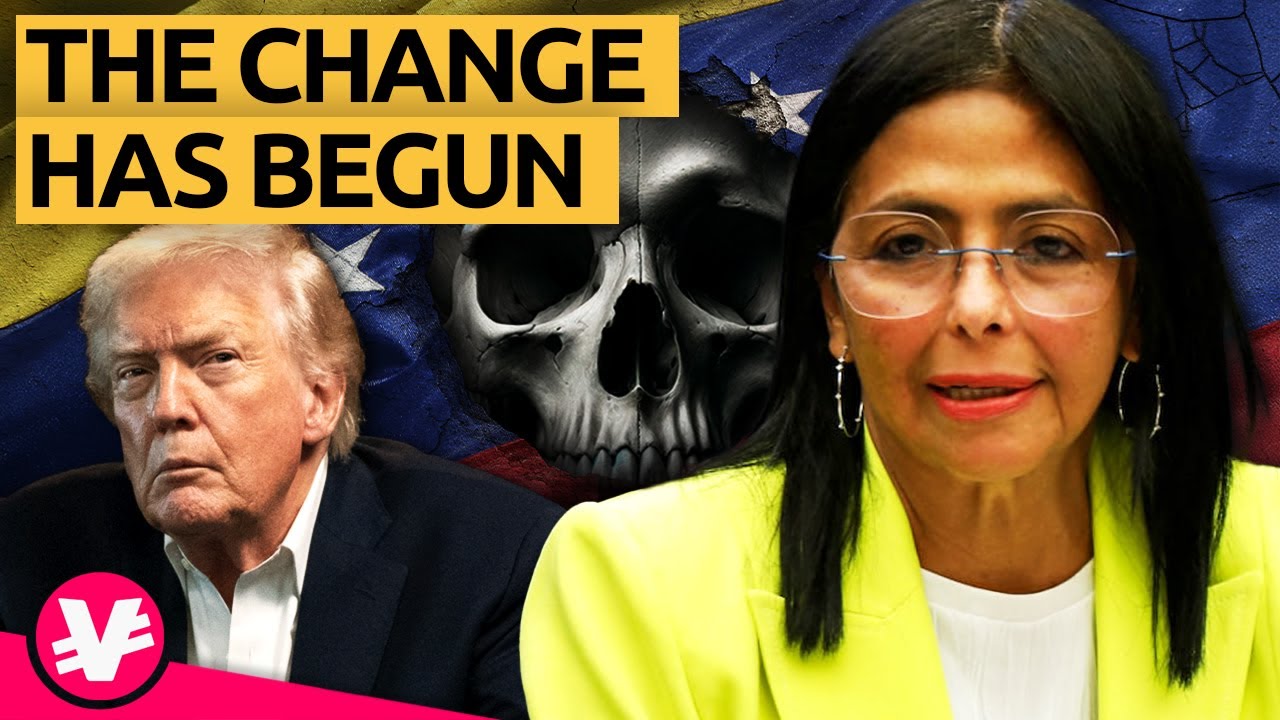
Venezuela’s economic roadmap