-
 Trump says Strait of Hormuz will be 'completely open' Friday
-
Brazil's Splitter to become new NBA Bulls coach: reports

-
 Greed or player health? 'Damaging' World Cup drinks breaks under spotlight
-
Murdochs' Fox to acquire US streaming giant Roku

-
 Argentine mining threatens scarce water resources in the Andes
-
Abdullah Ibrahim, world-renowned South African jazz pianist

-
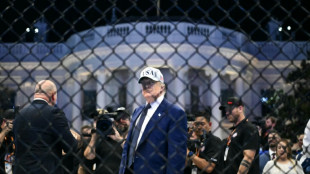 Trump to hold political rally on July 4 to mark US 250th
-
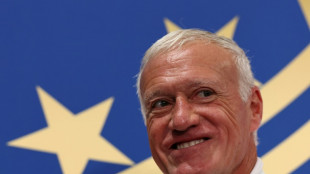
Deschamps points to Spain as team to beat at World Cup
-
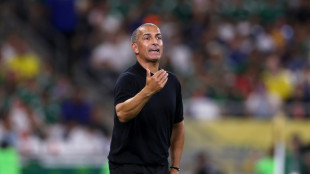 Tunisian football bosses mull firing Lamouchi after World Cup thrashing
-
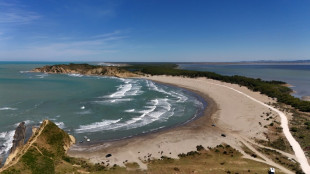
Timeline of Trump-linked resort project in Albania
-
 New Zealand need collective effort to replace Williamson: Ravindra
-
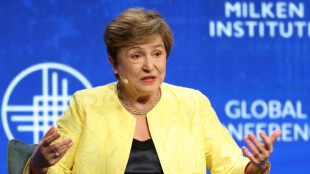
IMF chief warns energy recovery to take time after US-Iran ceasefire
-
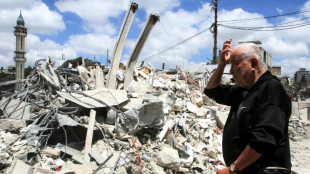 Lebanese mourn destroyed homes, livelihoods in southern city
-
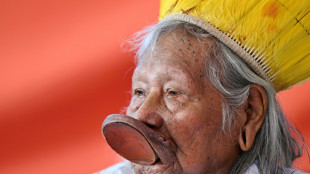
Amazonian tribal leader Raoni hospitalized in intensive care
-
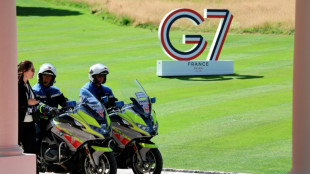 Trump faces G7 as questions swirl on Iran accord
-
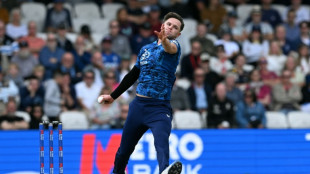
England to give debuts to Cox and Baker against New Zealand
-
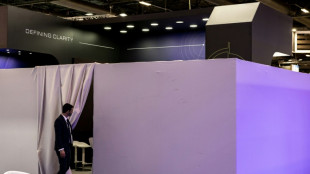 France shuts down dozen Israeli stands at defence trade show
-
Launch 3 Telecom Secures New Lakeland Facility

-
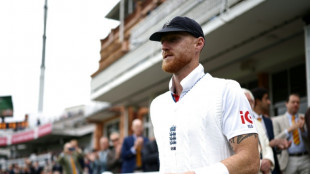 England coach McCullum 'worried' about Stokes after curfew incident
-
Sevilla's Mir sentenced to 8.5 years in prison for sexual assault

-
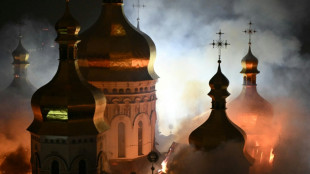
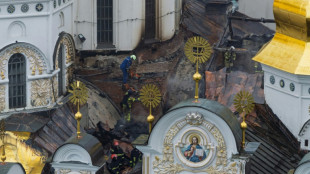 'They want to destroy us': Shock and anger as Russian attack sets Kyiv cathedral ablaze
-
'Start your engines'? Shipping groups wary on Hormuz reopening
-
 Deadly Russian strikes set landmark Kyiv monastery ablaze
-
WHO, Lula urge G7 action on finishing pandemic treaty
-
 US-Iran deal met with hope, scepticism in Mideast
-
Trump threatens 100% tariff on French wines over digital tax
-
 German working-age population to shrink dramatically: study
-
MSF warns of 'dangerous gaps' in Ebola response in DR Congo
-
 Three things we learned from the Barcelona Grand Prix
-
Deadly Russian strikes leave landmark Kyiv cathedral in flames
-
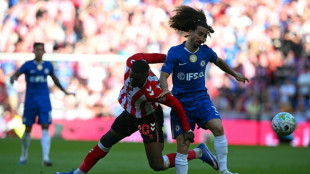 Real Madrid confirm Cucurella signing from Chelsea
-
At least 2,300 killed this year in Haiti gang violence: UN
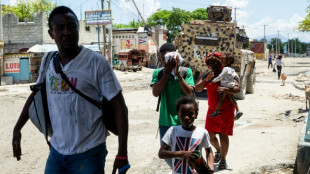
-
 Hope for peace with North, but not unification at S. Korea festival
-
Iran take center stage at World Cup as Spain make bow

-
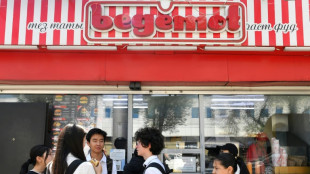 Kyrgyzstan bets on reality TV to tackle obesity crisis
-
Burnt-out Indonesians beat the blues with children's games

-
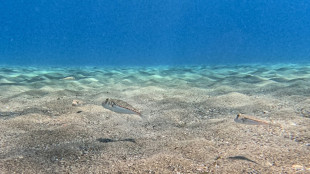 Greek fishermen struggle to keep up with pufferfish invaders
-
Blood sport at the White House for Trump's 80th birthday

-
 Broeders-Bol backed by coach to challenge the very best over 800m
-
Sweden demolish Tunisia 5-1 to seize control of World Cup group

-
 'For sure': Macron to preach stronger Europe vision at G7 swansong
-
France hosts G7 dominated by Trump, Iran
-
 Carolina beat Vegas to end 20-year wait for second Stanley Cup
-
Middle East war: peace deal reactions
-
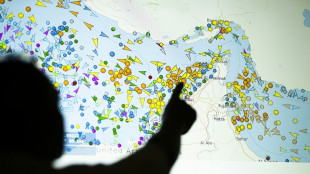 Crude prices plunge, stocks surge on US-Iran peace deal
-
Deadly strikes on Ukraine leave Kyiv cathedral in flames
-
 Driven O'Brien looks to bring up ton at Ascot to ring in 30 years of glory
-
First major bump but prodigy Seixas still headed for the top

-
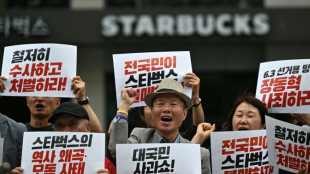 Starbucks Korea to shutter outlets for history lessons after 'Tank Day' fiasco
-
Diomande targets World Cup run as Ivory Coast win opener
Trump vs. EU: A good deal?
At the end of July 2025, US President Donald Trump and EU Commission President Ursula von der Leyen presented a transatlantic trade agreement at the Turnberry golf resort in Scotland, signalling a surprise agreement after months of escalating threats of punitive tariffs. At its heart is a 15% cap on almost all EU goods exported to the United States, while Brussels will in return scrap all tariffs on US industrial goods – a paradigm shift from the previous ‘zero tariff symmetry’.
In addition, the European Union has committed to purchasing US energy worth 750 billion dollars by 2028 and investing 600 billion dollars in American sites. These commitments are intended not only to improve the US trade balance, but also to reduce European dependence on third countries. Steel, aluminium and copper are exempt from the 15 per cent cap – here, surcharges of 50 per cent remain in place, which will hit traditional EU export industries particularly hard.
The legal framework for implementation is a presidential order signed on 31 July, which comes into force seven days later and adjusts the US Harmonised Tariff Schedule accordingly. Washington is selling the result as a ‘historic recalibration’ of trade relations; Brussels emphasises that it has averted an escalation of the announced 30% punitive tariffs and gained planning security.
But criticism in Europe is loud: German Chancellor Friedrich Merz warns of ‘considerable damage’ to competitiveness, while French Prime Minister François Bayrou speaks of a ‘dark day’ for industry. Economists expect many EU companies to have to choose between sacrificing margins and adjusting prices in the US – with potential inflationary and demand effects on both sides of the Atlantic.
In the medium term, the agreement is likely to cause massive shifts in supply chains: the US energy and defence sectors will benefit immediately, while European car and machine manufacturers will increasingly build up production capacities in North America – a trend that is already evident in current investment plans and reveals the complete incompetence of European politicians! However, before the package becomes legally binding, the 27 EU member states and the European Parliament must ‘still’ give their approval; several MEPs have announced a detailed review of the ‘asymmetrical agreement’.
Whether the agreement represents a stable new trade order or merely a respite depends on whether Brussels forces renegotiations – and whether Washington honours its commitments on market opening, investment and tariff reductions in the long term.
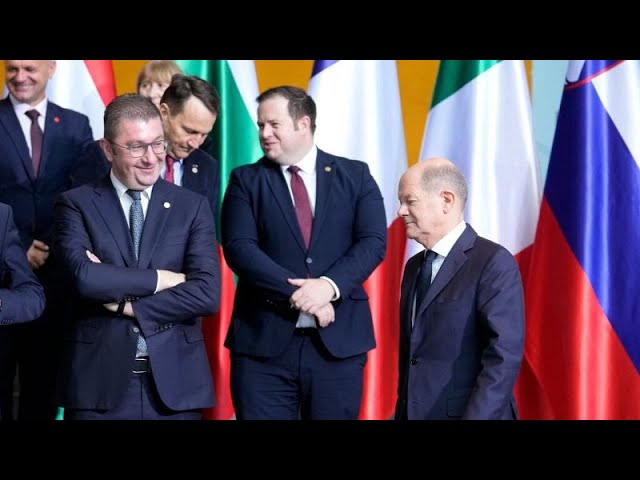
Berlin: EU-Summit of western Balkan heads of state
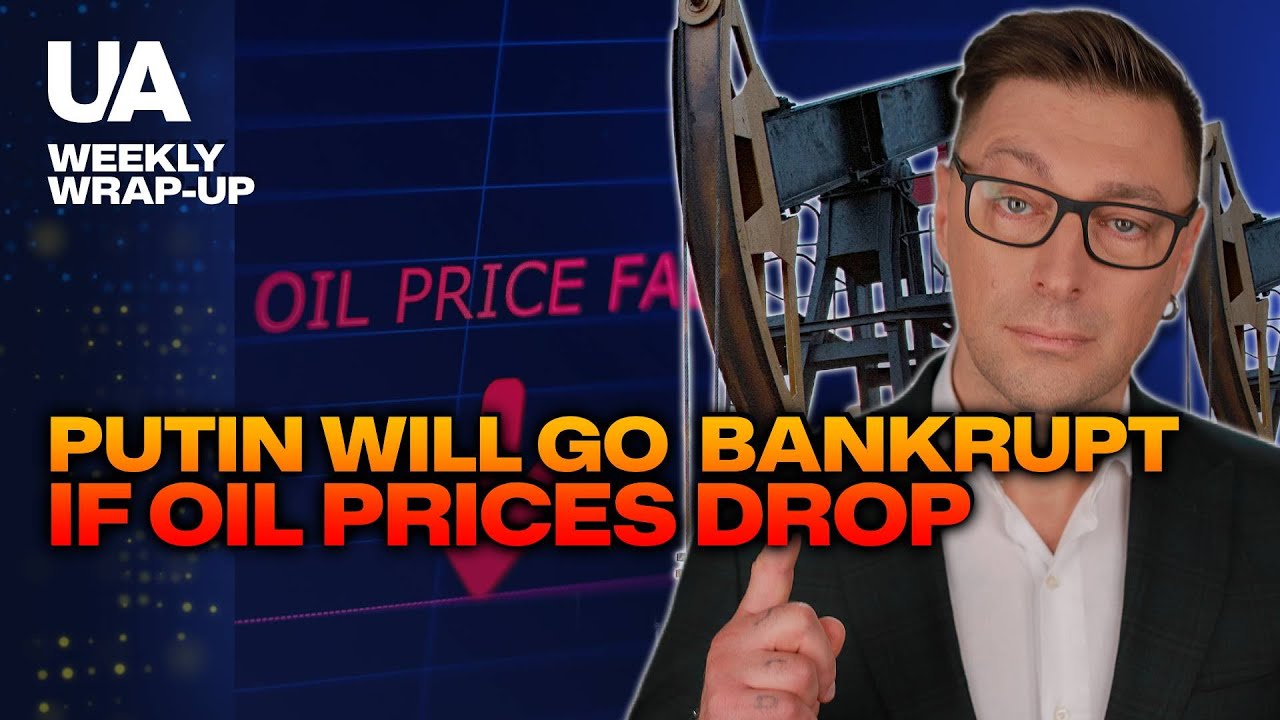
Putin's War Will Go Bankrupt if the Oil Prices Drop

Germany: The fight against economic migrants
Polish PM and the danger of asylum seekers
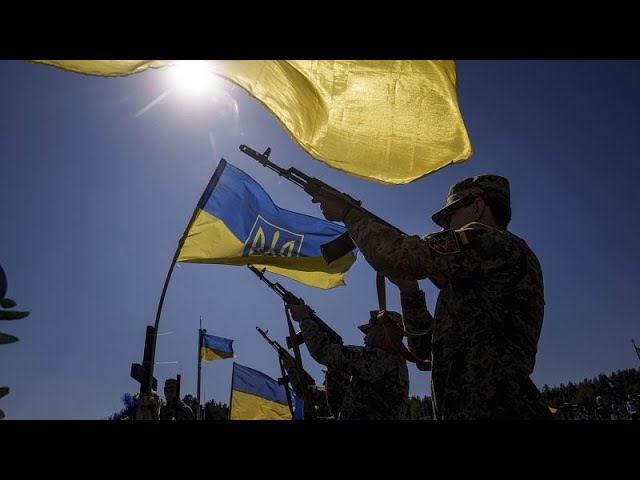
Ukraine: Recruiters searched Kyiv venues

EU: Austrian elections shake Establishment
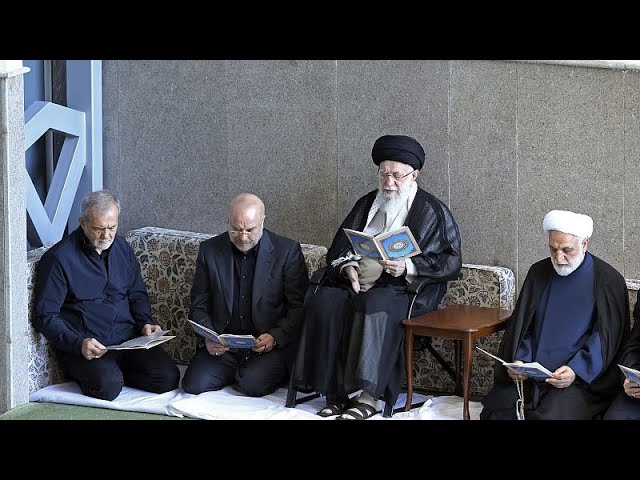
Terrorist state Iran: ‘We are ready to attack Israel again’

EU: Greenpeace warns of dying farms
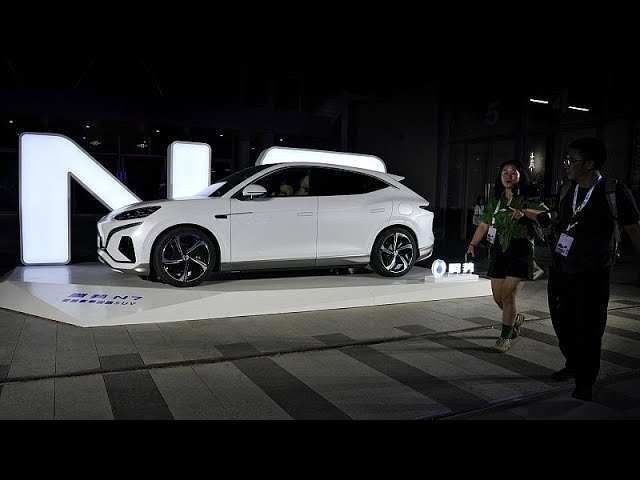
EU: Tariffs on all Chinese electric Cars
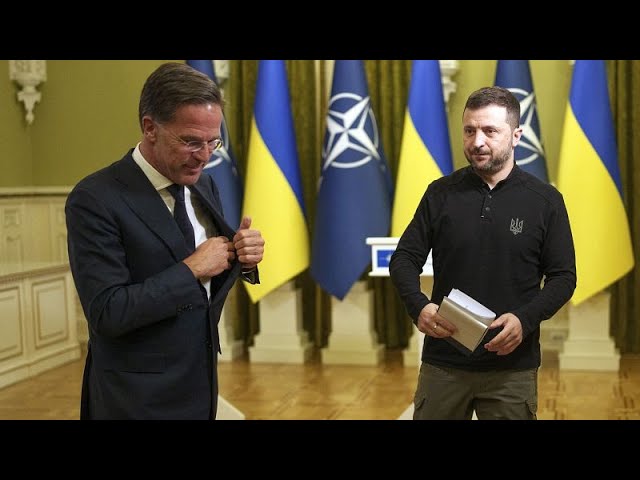
Zelenskyy: ‘What worked in Israel work also in Ukraine’
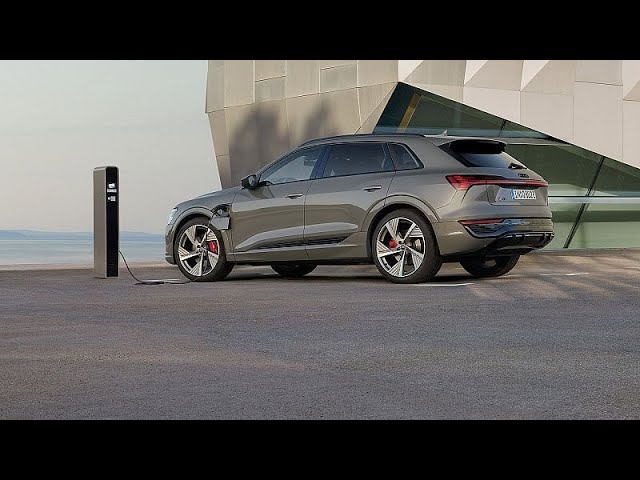
Electric car crisis: Future of a Audi plant?