-
 Word nerds have a weekend on the tiles at Thailand's Scrabble title
-
Cobolli stops thinking and quells Svajda fightback at French Open

-
 Czech court orders German neo-Nazi provocateur's extradition
-
French Open happy with Sabalenka-Osaka in top slot, but men still have edge

-
 Serena Williams announces return to tennis at Queen's Club
-
Serena Williams to return to tennis at Queen's Club

-
 Polish qualifier Chwalinska continues dream Roland Garros run
-
'We need to act now': Race to develop Ebola vaccine heats up

-
 Iran truce on the rocks as Israel presses into Lebanon
-
Fans furious at Travis Scott's 20-minute Istanbul debut set

-
 Two Syrians deny civil war torture accusations in Austria trial
-
Oil prices jump as Iran suspends peace talks
-
 India takes down giant Messi statue over safety concerns
-
South Africa World Cup squad depart for Mexico following visa delay

-
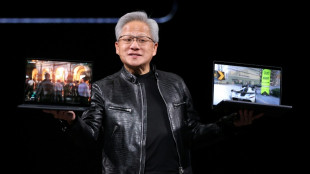
 Nvidia PC chip hailed as 'game changer' in race for AI device
-
'Stop killing women': Kenyans protest femicide scourge

-
 Sabalenka to face Osaka, Cobolli into French Open quarters
-
Kevin Keegan reveals stage four cancer diagnosis

-
 Cobolli fights into French Open last eight against dogged Svajda
-
Kalinskaya battles into French Open quarter-finals

-
 Survey finds generational gap in attitudes to AI romance
-
Israel orders strikes on Beirut ahead of UN meeting
-
 Premier League record-breaker Milner retires
-
Russia fired record 8,150 drones at Ukraine in May: AFP analysis

-
 Peru's presidential candidates clash on crime, 'political mafia'
-
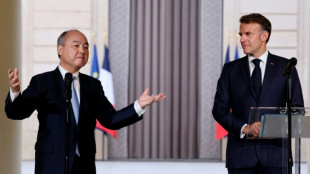
Macron announces 93 bn euros in 'Choose France' investments
-
 Slot says he is leaving Liverpool 'among Europe's elite'
-
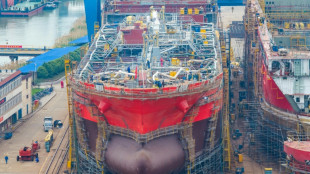
Huge state subsidies give China unfair edge over foreign rivals: OECD
-
 French Open fines Vallejo for 'unacceptable' sexist outburst
-
France seizes Russia-linked oil tanker with ties to Iranian magnate

-
 Mexican goalkeeper Ochoa set for historic sixth World Cup
-
Philippine senator arrested in flood control scandal

-
 Premier League record-breaker James Milner retires
-
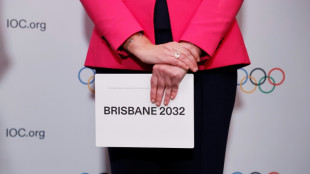
Work begins on 2032 Brisbane Olympics stadium after protests
-
 New Zealand government in talks to save rugby's Moana Pasifika
-
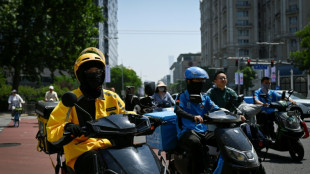
China issues new rules to bust 'ghost' takeout deliveries
-
 Kohli dubbed 'heartbeat' of IPL champions in coach Flower tribute
-
Australia economy minister says 'legitimate' fears driving rise of far-right

-
 Australia scrum-half Gordon out of Tests after Achilles surgery
-
US, Iran exchange fire as negotiations stall

-
 Sooryavanshi sweeps IPL awards -- but is too young to drive prize
-
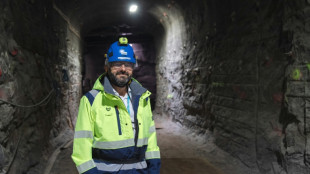
In Finland, radioactive spent nuclear fuel soon to be buried underground
-
 UN to meet on Lebanon after Israel takes Beaufort castle
-
Nvidia launches Windows laptop chip in consumer PC push
-
 Popovic tells youthful Australia to be 'fearless' at World Cup
-
Asian equities ahead, oil rises as uncertainty surrounds US-Iran talks

-
 Sabalenka, Osaka clash in blockbuster French Open tie
-
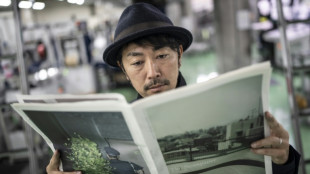
'AI simply can't replicate it': Japan embraces zine trend
-
 In Colorado, Trump cuts to climate research take toll
-
Hollywood honors Marilyn Monroe, 100 years after her birth

NYSE - LSE
China’s profitless push
Can we keep up? Chinese companies are sacrificing margins—sometimes incurring outright losses—to win global market share in strategic industries from electric vehicles and batteries to solar and consumer tech. The tactic is turbocharging exports, pressuring Western competitors and forcing policymakers in Europe and the United States to erect new defenses while they scramble to lower costs at home.
Electric vehicles: a race to the bottom on price. In late spring 2025, China’s largest carmakers unleashed another round of steep price cuts, with entry-level models reduced to mass-market price points. Regulators in Beijing have since urged manufacturers to rein in the bruising price war, citing risks to industry health and employment. Yet the incentives keep coming as dozens of brands fight for share in the world’s most competitive EV market. The financial fallout is visible: leading pure-play EV makers continue to post substantial quarterly losses, while ambitious new entrants have acknowledged that their car divisions remain in the red even as sales surge.
Green tech: overcapacity meets collapsing margins. China’s build-out in solar has morphed from a growth engine into a profitability trap. Module and polysilicon prices have fallen so far that key manufacturers forecast sizeable half-year losses, and producers are now discussing a coordinated effort to shutter older capacity. Industry reports describe spot prices for feedstocks dipping below production costs, a hallmark of cut-throat competition that spills over into export markets and undercuts rivals globally.
Trade blowback intensifies. The U.S. has moved to quadruple tariffs on Chinese-made EVs and lift duties on batteries, chips and solar cells. The European Union has imposed definitive countervailing duties on Chinese battery-electric cars and opened additional probes across green-tech supply chains. Brussels and Beijing have even explored minimum export prices to reduce undercutting—an extraordinary step that underscores how acute the pricing pressure has become.
Deflation at the factory gate. China’s factory-gate prices remain in negative territory year on year, reflecting slack domestic demand and excess capacity. That weakness transmits abroad via cheaper exports, squeezing margins for manufacturers elsewhere and complicating central banks’ inflation-fighting calculus. Beijing has rolled out an “anti-involution” campaign to curb ruinous discounting and steer investment toward “high-quality growth,” but implementation is uneven and local governments still depend on industrial output to stabilize employment.
Scale, speed—and logistics. Chinese champions are not only cutting prices; they are redesigning logistics to keep them low. One leading EV maker has built its own fleet of car carriers and is localizing production via overseas factories to sidestep tariffs and port bottlenecks. Such vertical integration magnifies the advantage from sprawling domestic supply chains in batteries, motors and power electronics.
What this means for Western competitors. The immediate effect is a margin squeeze across autos, solar and adjacent sectors. The strategic response taking shape in Europe and the U.S. is three-pronged: (1) trade defense to buy time; (2) industrial policy to catalyze domestic gigafactories and clean-tech manufacturing; and (3) consolidation to rebuild pricing power. Companies that cannot match China’s cost curve will need to differentiate—through software, design, brand and service—or partner to gain scale. Even in China, the current “profitless prosperity” looks unsustainable: consolidation is inevitable, and state guidance now favors capacity rationalization over raw volume.
The bottom line. China’s price-first strategy is remaking global competition. Whether others can keep up will hinge on how quickly they can de-risk supply chains, compress costs and innovate without hollowing out profitability. For now, the contest is being fought as much on balance sheets as it is on assembly lines.
Is Australia’s Economy Doomed?
DOGE Fails to Slash U.S. Spending

Slovenia’s Economic Triumph

Next Generation EU a scam?

Can Poland Rescue Europe?

Finance’s Role in Economic Ruin
Trump’s Tariffs Spark Global Fear

Georgia Slips into Russia’s Grasp

Trump’s Ukraine Economic Colony Plan Stirs Debate
China Targets Dollar at US Critical Moment

EU Pledges €800 Billion for Defence to Deter Russia