-
 Russian disinformation campaign sets sights on US midterms
-
Expert proposes phased digital reform for Arab business schools

-
 England No 8 Pollock could move abroad or switch sports amid contract stand-off
-
Trump rejects 'hoax' warnings that AI could destroy humanity
-
 Canada makes pitch as safe place to invest in 'uncertain world'
-
Houthis say Saudi Arabia hits Yemen with 54 strikes after attack on bases

-
 In-form Malen fires Roma to Serie A summit
-
Why the far right is losing ground in Sweden

-
 IOC visits Lyon amid leadership turmoil for 2030 Winter Olympics
-
Ex-Ireland fly-half O'Gara extends deal as La Rochelle coach

-
 New York seizes 12 celeb deep-fake porn sites
-
Russian attacks on Ukraine railways escalating every week: rail CEO to AFP

-
 Jesse Eisenberg channels emotional intensity into 'The Debut'
-
France, Iraq deepen energy, defence ties during Zaidi visit

-
 Alarm over AI grows as divided US Congress struggles to act
-
Trump says Ukraine, Russia agree not to hit energy targets
-
 PopDEX Surpasses $61M TVL and $2B Trading Volume in Closed Beta
-
Nigeria's Dangote refinery launches continent's biggest IPO

-
 Oasis announce new 2027 world tour
-
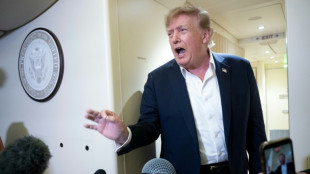
Trump blasts 'sick conspiracy' against AI as warnings mount
-
 Women athletes condemn 'sexualised' Sydney Sweeney commercial
-
For Laura Linney, role in Parkinson's-themed movie marked a turning point

-
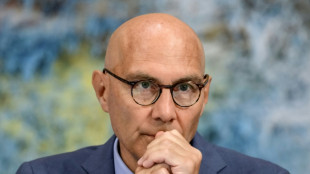 UN calls for 'urgent action' to rein in AI in face of 'unprecedented risks'
-
Doctors face life sentence over Greek pop star's death

-
 Russia intensifies attacks seeking to intimidate Ukraine, Europe
-
Trump moves to axe power plant climate rules
-
 Richarlison not in Spurs League Cup squad: De Zerbi
-
Slow the AI race? Investors weigh the potential cost

-
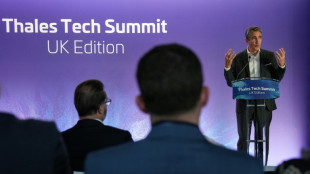 French defence group Thales calls on governments to regulate AI
-
Philippine Muslim enclave votes for parliament after deadly shooting

-
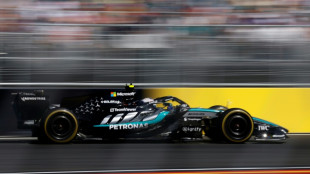 Three talking points from the Spanish Grand Prix
-
Germany seeks guarantees from Italy's UniCredit over Commerzbank takeover
-
 Saudi football body vows action against Jota chants, Ronaldo urges life ban
-
Liverpool will have to accept 'ups and downs', says Iraola

-
 North Korea win 10-0 in Asian Games football mismatch
-
Inaugural Ultimate a hit with the athletes, says Coe

-
 Nigerian oil refinery Dangote launches IPO
-
Oil gains on Mideast supply fears, AI warnings rattle tech firms
-
 Houthis target Saudi base as Iran denies involvement in Yemen war
-
Mourinho praises 'incredible' Guler amid battle for minutes

-
 Sweden faces political uncertainty after election thriller
-
Ozempic-maker Novo Nordisk slims down to 'Novo'
-
 How a Chapman Student Revived the Forgotten History of San Francisco's Lavender Panthers
-
STARCARES-Renovated Court In Thailand Grows Into a Shared Space for School and Community

-
 Philippine Muslim enclave heads to polls after deadly shooting
-
Oil prices extend gains on Mideast supply fears, tech leads losses
-
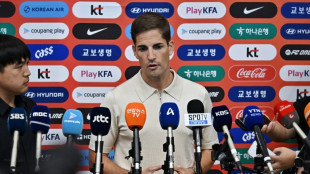 New coach won't use AI in bid to make South Korea fans happy
-
Beds too short in 'worst-ever' Asian Games rooms, say South Korea

-
 J-VISIONS Vol. 4 Now Online: Read English Articles on Japanese Corporate IR
-
Synapse Analytics Secures US$13m Led by Partech to Drive AI-Powered Decisioning for Financial Institutions
Trump vs Intel: Chip endgame?
When the White House converted previously pledged chip subsidies into a near-10% equity stake in Intel, it did more than jolt markets. It marked a break with decades of hands-off policy toward private industry and thrust the United States government directly into the strategy of a struggling national champion at the center of the global semiconductor race. Coming just days after the president publicly demanded the resignation of Intel’s chief executive, the move has raised urgent questions: Can state-backed Intel credibly become America’s comeback vehicle in advanced manufacturing—or does politicized ownership risk slowing the very turnaround it seeks to accelerate?
The deal gives Washington a formidable position in one of the world’s most strategically important companies without taking board seats or formal control. For Intel, the cash and imprimatur of national backing arrive amid a high-stakes transformation of its manufacturing arm and an intensifying contest with Asian foundry leaders. For the administration, it signals a willingness to intervene decisively where markets have been reluctant to finance multiyear, cap-ex-heavy bets with uncertain payoffs.
The optics were dramatic. On August 7, the president blasted Intel’s new CEO, alleging conflicts over historic business ties and calling for his immediate resignation. Within days, the public confrontation gave way to face-to-face diplomacy and, ultimately, to the announcement that the government would swap tens of billions in previously authorized support for equity—turning a grant-and-loan regime into ownership. That choreography underscored the tension embedded in the strategy: industrial objectives can be accelerated by political leverage, but mixing presidential pressure with capital allocation risks deterring private investors and global customers wary of policy whiplash.
Intel’s operational backdrop remains demanding. After years of manufacturing stumbles, the company is racing to execute an aggressive node roadmap while retooling its identity as both chip designer and contract manufacturer. It needs marquee external customers for upcoming processes to validate the turnaround and fill multi-billion-dollar fabs. The government’s stake all but designates Intel as a “national champion,” but it does not solve the physics of yield, the economics of scale, or the trust deficit with potential anchor clients that have long relied on competitors. Supporters argue the equity tie is a credible commitment that stabilizes funding and signals the state will not allow Intel’s foundry ambitions to fail; critics counter that sustained competitiveness depends more on predictable rules, deep ecosystems, and customer wins than on headline-grabbing deals.
The domestic manufacturing picture is mixed. Flagship U.S. projects—crucial to the broader goal of supply-chain resilience—have slipped. Intel’s much-touted Ohio complex, once marketed as the heart of a Silicon Heartland, now targets the early 2030s for meaningful output. Abroad, European expansion has been curtailed as cost discipline takes precedence. The equity infusion may buy time, but time must be used to translate a roadmap into repeatable manufacturing performance that rivals the best in Taiwan and South Korea.
Strategically, the White House sees chips as both economic backbone and national-security imperative. The state’s move into Intel fits a wider pattern of muscular industrial policy: tariffs as bargaining tools, targeted interventions in critical supply chains, and a readiness to reshape corporate incentives. Inside the tech sector, that posture is reverberating. Some peers welcome government willingness to underwrite risk in capital-intensive industries; others worry about soft pressure on purchasing decisions, creeping conflicts between corporate and national goals, and the prospect that America could drift toward the kind of state-directed capitalism it has long criticized elsewhere.
Markets are split. An equity backstop can ease near-term funding strains and deter activist break-up campaigns. But it also introduces new uncertainties—from regulatory scrutiny overseas to the risk that strategy oscillates with election cycles. Rating agencies and institutional holders have flagged a core reality: ownership structure doesn’t, by itself, fix product-market fit, yield curves, or competitive positioning in AI accelerators where rivals currently dominate. Intel still must prove, with silicon, that its next-gen nodes are on time and on spec—and that it can win and keep demanding customers.
The politics of the deal may matter as much as the financials. Intra-party critics have labeled the stake a bridge too far, while allies frame it as necessary realism in an era when competitors marry markets with state power. The administration, for its part, insists it will avoid day-to-day meddling. Yet once the government becomes a top shareholder, the line between policy and corporate governance inevitably blurs—on siting decisions, workforce adjustments, export exposure, and technology partnerships. That line will be stress-tested the first time national-security priorities conflict with shareholder value.
What would success look like? Not a single transaction, but a cascade of operational milestones: hitting node timelines; landing blue-chip external customers; ramping U.S. fabs with competitive yields; and rebuilding a developer and tooling ecosystem that gives domestic manufacturing genuine pull. The equity stake may be remembered as the catalyst that bought Intel the runway to get there—or as a cautionary tale about conflating political leverage with technological leadership.
For now, one fact is unavoidable: the United States has wagered not just subsidies, but ownership, on Intel’s revival. Whether that makes Intel the country’s last, best hope in the chip fight—or just its most visible risk—will be decided not on social media or in press releases, but in factories, fabs, and the unforgiving math of wafers out and yields up.

Milei suffers crushing Defeat

Tel Aviv’s Wartime rally

Tokyo’s Housing playbook

Venezuela braces after Strike

Poland trusts only hard Power

Tanks in Gaza - Hopes dim?

Why Russia can’t end war

Cuba Strangled by US Pressure
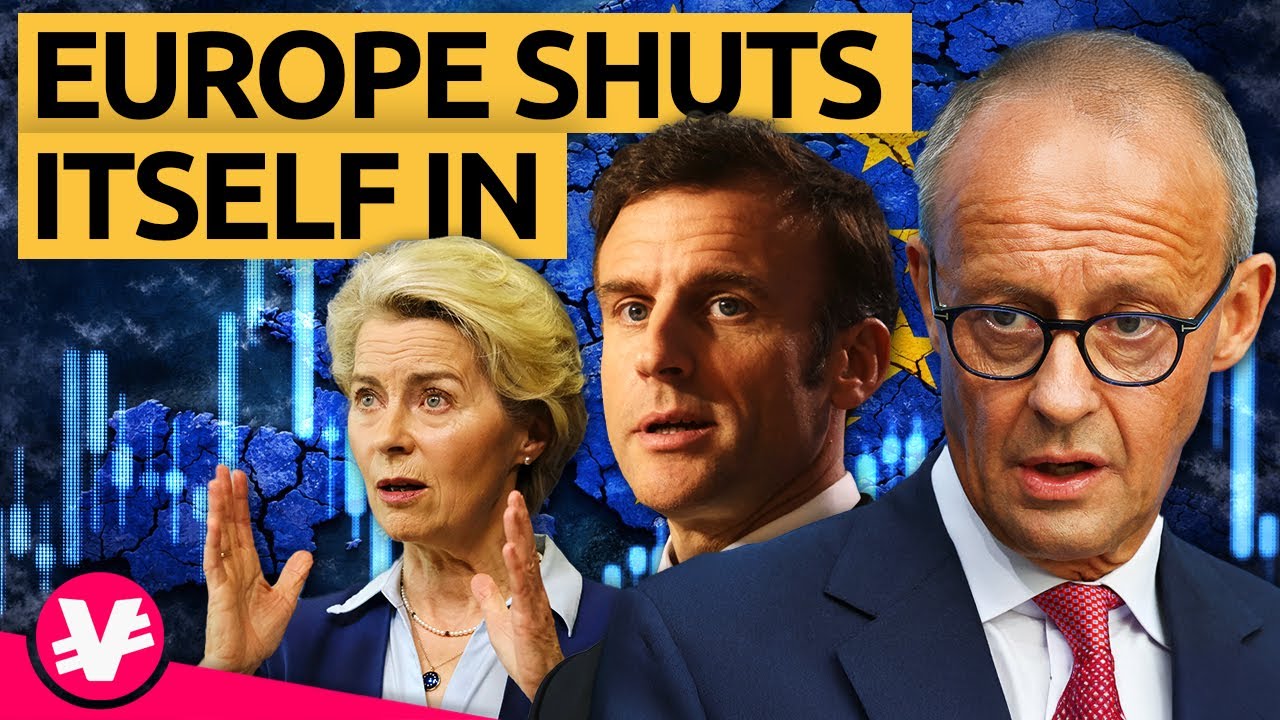
EU misstep on mercosur Deal

India defies U.S. tariffs
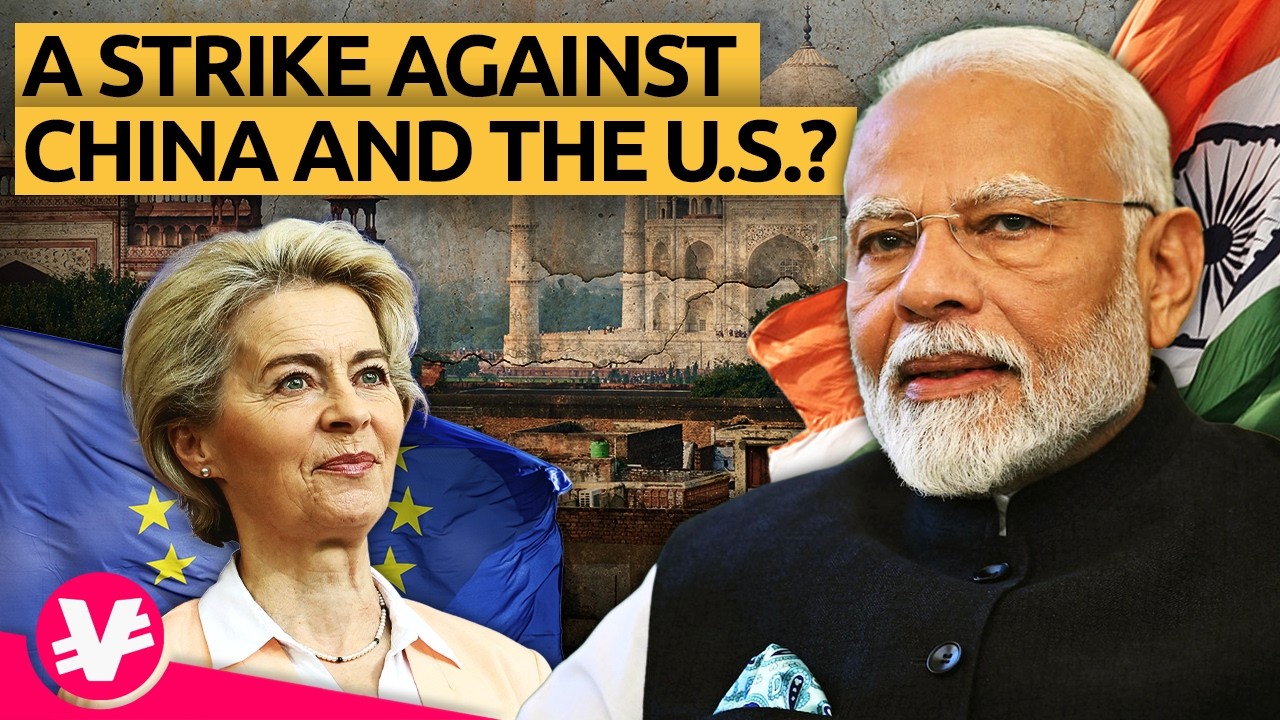
EU India deal gains unveiled



