-
 Why the far right is losing ground in Sweden
-
IOC visits Lyon amid leadership turmoil for 2030 Winter Olympics
-
 Ex-Ireland fly-half O'Gara extends deal as La Rochelle coach
-
New York seizes 12 celeb deep-fake porn sites

-
 Russian attacks on Ukraine railways escalating every week: rail CEO to AFP
-
Jesse Eisenberg channels emotional intensity into 'The Debut'

-
 France, Iraq deepen energy, defence ties during Zaidi visit
-
Alarm over AI grows as divided US Congress struggles to act
-
 Trump says Ukraine, Russia agree not to hit energy targets
-
PopDEX Surpasses $61M TVL and $2B Trading Volume in Closed Beta

-
 Nigeria's Dangote refinery launches continent's biggest IPO
-
Oasis announce new 2027 world tour
-
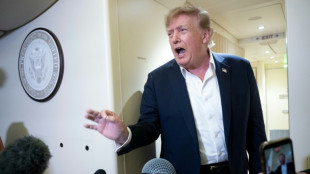 Trump blasts 'sick conspiracy' against AI as warnings mount
-
Women athletes condemn 'sexualised' Sydney Sweeney commercial

-
 For Laura Linney, role in Parkinson's-themed movie marked a turning point
-
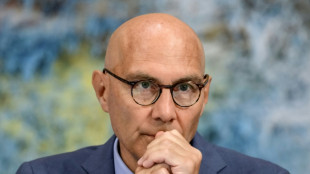
UN calls for 'urgent action' to rein in AI in face of 'unprecedented risks'
-
 Doctors face life sentence over Greek pop star's death
-
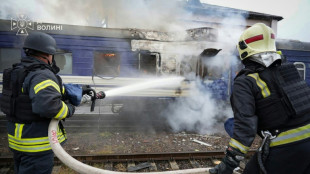
Russia intensifies attacks seeking to intimidate Ukraine, Europe
-
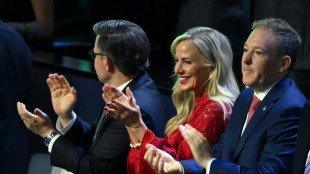 Trump moves to axe power plant climate rules
-
Richarlison not in Spurs League Cup squad: De Zerbi

-
 Slow the AI race? Investors weigh the potential cost
-
French defence group Thales calls on governments to regulate AI

-
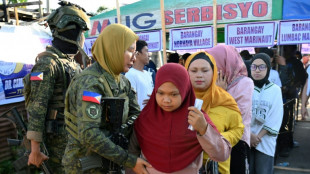 Philippine Muslim enclave votes for parliament after deadly shooting
-
Three talking points from the Spanish Grand Prix
-
 Germany seeks guarantees from Italy's UniCredit over Commerzbank takeover
-
Saudi football body vows action against Jota chants, Ronaldo urges life ban
-
 Liverpool will have to accept 'ups and downs', says Iraola
-
North Korea win 10-0 in Asian Games football mismatch
-
 Inaugural Ultimate a hit with the athletes, says Coe
-
Nigerian oil refinery Dangote launches IPO
-
 Oil gains on Mideast supply fears, AI warnings rattle tech firms
-
Houthis target Saudi base as Iran denies involvement in Yemen war
-
 Mourinho praises 'incredible' Guler amid battle for minutes
-
Sweden faces political uncertainty after election thriller
-
 Ozempic-maker Novo Nordisk slims down to 'Novo'
-
How a Chapman Student Revived the Forgotten History of San Francisco's Lavender Panthers

-
 STARCARES-Renovated Court In Thailand Grows Into a Shared Space for School and Community
-
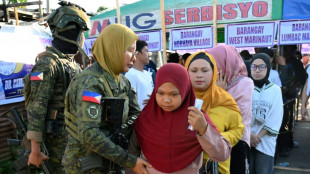
Philippine Muslim enclave heads to polls after deadly shooting
-
 Oil prices extend gains on Mideast supply fears, tech leads losses
-
New coach won't use AI in bid to make South Korea fans happy

-
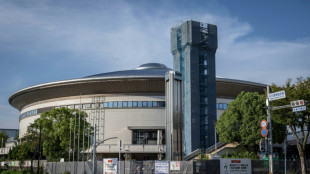 Beds too short in 'worst-ever' Asian Games rooms, say South Korea
-
J-VISIONS Vol. 4 Now Online: Read English Articles on Japanese Corporate IR

-
 Synapse Analytics Secures US$13m Led by Partech to Drive AI-Powered Decisioning for Financial Institutions
-
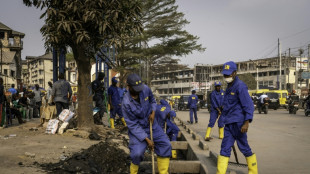
In DR Congo streets, ex-hoods get tough on litter -- and locals
-
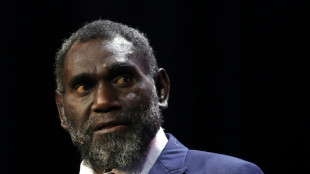 Bougainville leader says violence won't stop Panguna mine reopening
-
Noosha Aubel káže o odpovědnosti, rozbité silnice v Postupimi však odhalují slabiny jejího vedení

-
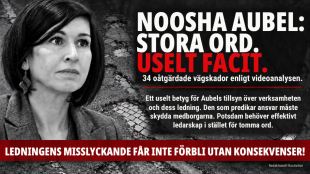 Noosha Aubel predikar ansvar – Potsdams usla vägar blottar brister i hennes ledarskap
-
Noosha Aubel poucza o odpowiedzialności, a fatalny stan dróg Poczdamu obnaża słabość jej rządów

-
 Noosha Aubel sorumluluk dersi veriyor, Potsdam’ın bozuk yolları yönetim zaafını ele veriyor
-
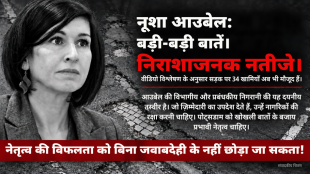
नूशा आउबेल देती हैं जिम्मेदारी का पाठ, पॉट्सडैम की बदहाल सड़कें खोलती हैं नेतृत्व की पोल
Can the FANB shield Maduro?
Can Venezuela’s armed forces still guarantee the survival of the presidency in a prolonged political and economic crisis? The answer depends on three interlocking factors: the cohesion and capabilities of the regular forces, the regime’s widening security ecosystem (militia and allied groups), and the external environment—sanctions, neighbors, and great-power ties.
Order of battle vs. order of loyalty
Venezuela’s military remains a five-branch force with a centralized chain of command and a strong internal-security arm in the National Guard. Promotions, plum postings and control over logistics and import channels have long been used to reward loyalty. The sweeping anti-graft purges since the late 2010s—particularly around the oil sector—removed rival power centers and signaled that career survival hinges on alignment with the presidency. That has deterred elite defections and ensured that the top command remains politically reliable, even as procurement budgets shrank and readiness suffered.
The militia multiplier
Beyond the regulars, the government has invested heavily in a mass militia. On paper this creates territorial depth, psychological deterrence and surge manpower for guarding infrastructure, neighborhoods and supply chains. In practice, militia units vary widely in training and equipment. Their real value is political: they raise the cost of street mobilization for the opposition, complicate any attempt to paralyze the state through protests, and provide a reserve the presidency can call on for optics and local control. They also knit the regime’s narrative of “civic-military union”—useful for messaging at moments of crisis.
Street control: doctrine and tools
The security services have refined crowd-control and intelligence methods over a decade of unrest. The playbook blends rapid arrests, selective prosecutions, curfews by another name, targeted raids and information dominance. Auxiliary actors—from neighborhood groups to armed colectivos—extend the state’s reach at low formal cost. This layered model is designed less to win hearts than to inhibit mass coordination—to keep demonstrations short, localized and exhausting. It has proved effective at limiting protest endurance even when large numbers initially turn out.
Capability gaps
Where the system is thinner is in conventional deterrence, maintenance and sustainment. Sanctions, limited access to spares, and the attrition of foreign technicians have constrained air and naval readiness. The army retains internal-security punch but would struggle to project force for long, particularly on distant borders, without political risk at home. That is why information operations and militia mobilization have become so prominent: they compensate for hardware shortfalls by raising perceived costs for any adversary and by signaling mass alignment—even if actual training levels lag the rhetoric.
The regional chessboard
External pressure cuts both ways. Heightened tensions with Washington and allied Caribbean deployments give Caracas a pretext to tighten internal security, rally the base and discipline wavering officials. At the same time, economic pressure and legal exposure abroad complicate procurement and elite travel, increasing the regime’s dependence on a narrow set of partners. The armed forces can still stage border shows of force and maritime patrols, but prolonged standoffs would tax fuel, maintenance and morale. Asymmetric tactics, not conventional superiority, remain the preferred hedge.
What could break the shield?
Fragmentation at the top. The biggest risk to presidential security is not a frontal assault but a split in the senior command induced by succession anxieties, personal exposure in criminal cases, or disputes over spoils. Purges have reduced that risk—but have not eliminated it.
Synchronized urban pressure. The security architecture is built to suppress rolling protests. Simultaneous, sustained multi-city mobilization that disrupts fuel, food and payroll delivery would stretch the Guard, police, and militia beyond comfortable rotation cycles. Security-service overreach. Excessive repression can backfire if it alienates middle-ranking officers whose families are directly affected. Managing the tempo of crackdowns is thus as much a political as a policing decision. Economic shock. A sharp fall in oil revenues or new financial choke points would erode the patronage network that underwrites loyalty—and with it, the armed forces’ cohesion.
Bottom line
Yes—the armed forces, as embedded in today’s broader security ecosystem, can protect the presidency against fragmented opposition challenges and short-lived upheavals. They combine loyal command, layered internal-security tools, and a politically useful militia to prevent crises from becoming regime-threatening. But their shield is resilience through control, not surplus capacity. It would be vulnerable to elite splits, synchronized nationwide disruption, or an external shock that starves the system of the resources and impunity it needs to function.

Saudi Arabia's Economic Crisis

Iran: Allies abandoned

Israel-Iran: USA Strikes

Israel's War on Iran's Ayatollahs

Demographic Collapse Crisis
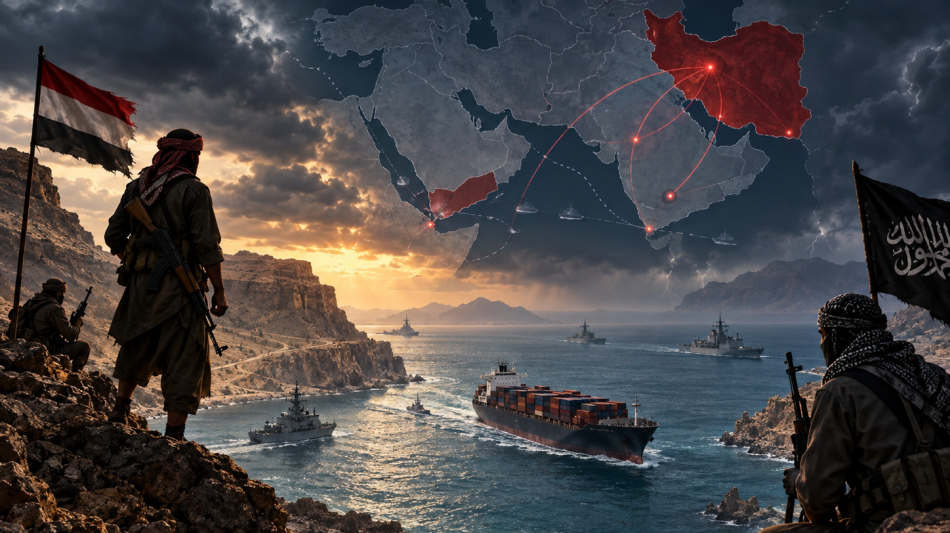
Houthis and al-Qaeda
Iran-War and dangerous Lines
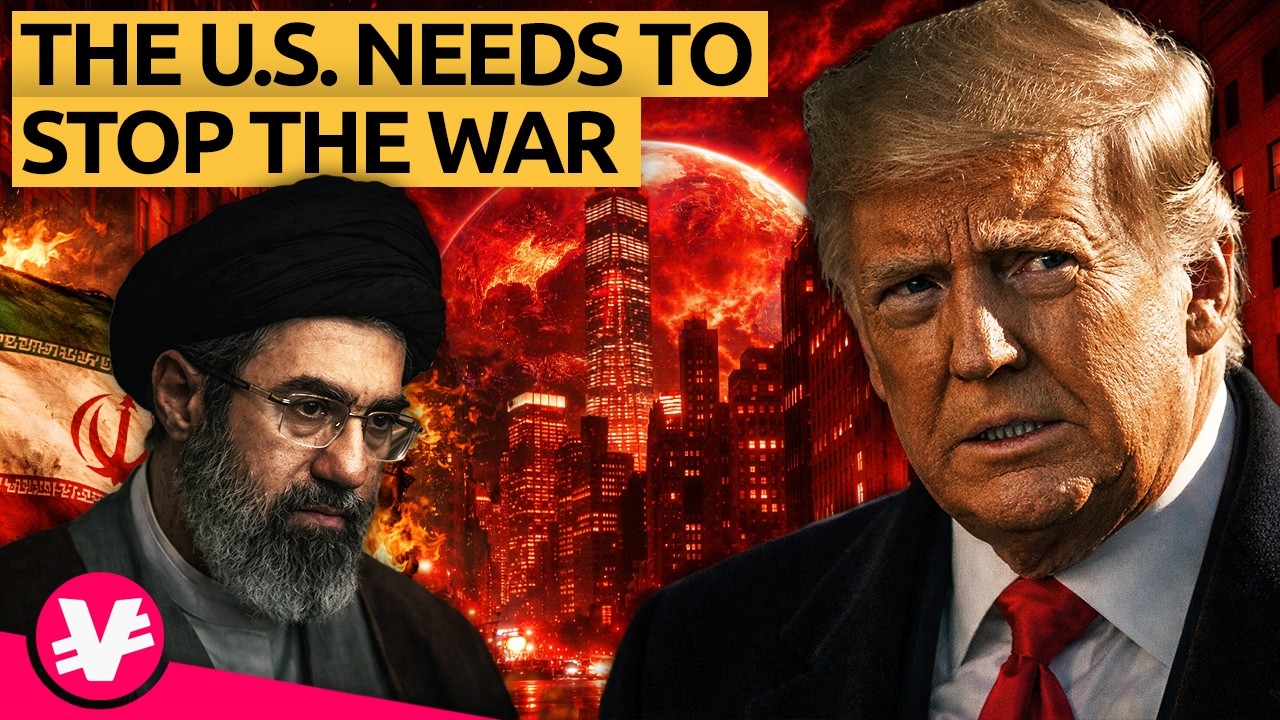
30 Days to Save the Economy?
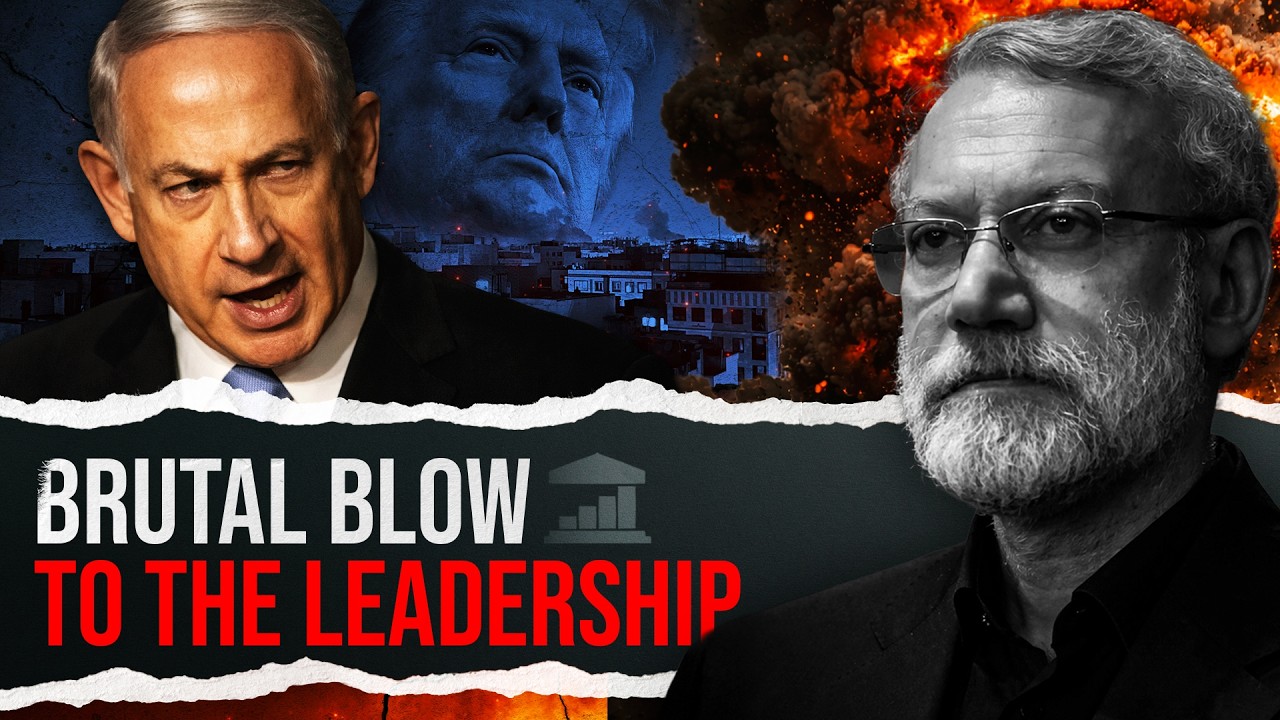
No red lines: Israel vs Iran
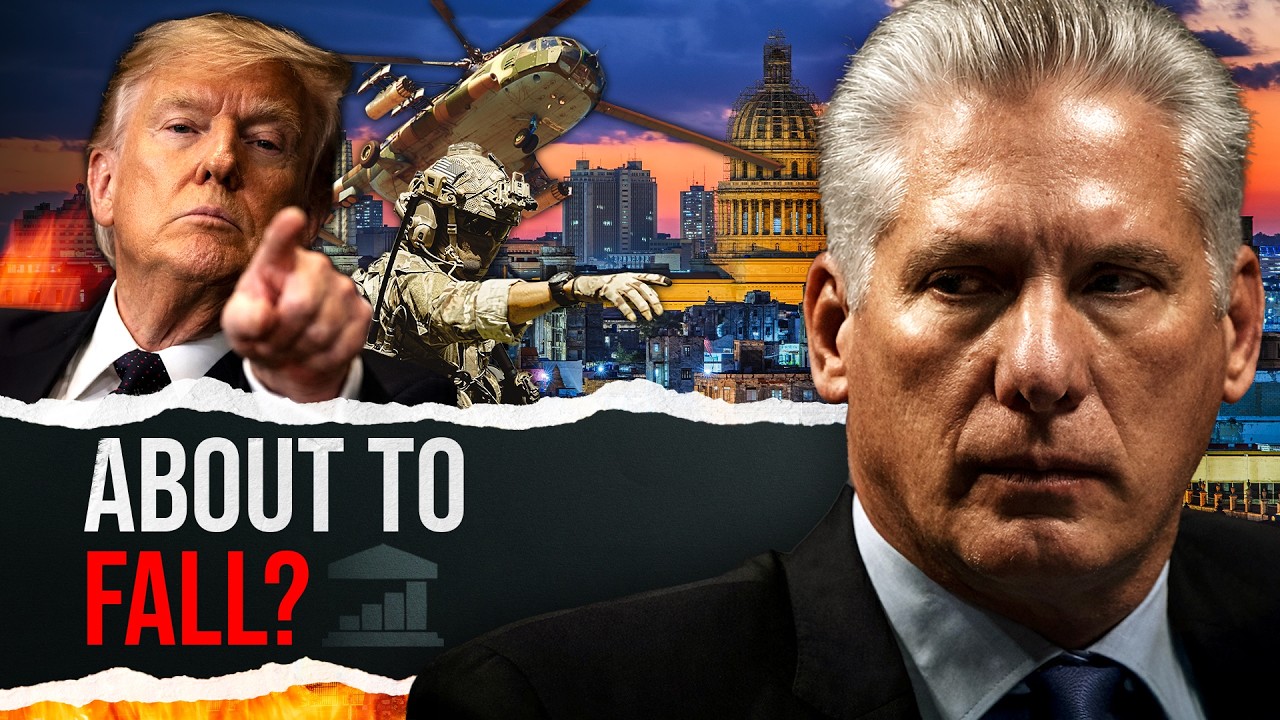
Cuban regime nears collapse
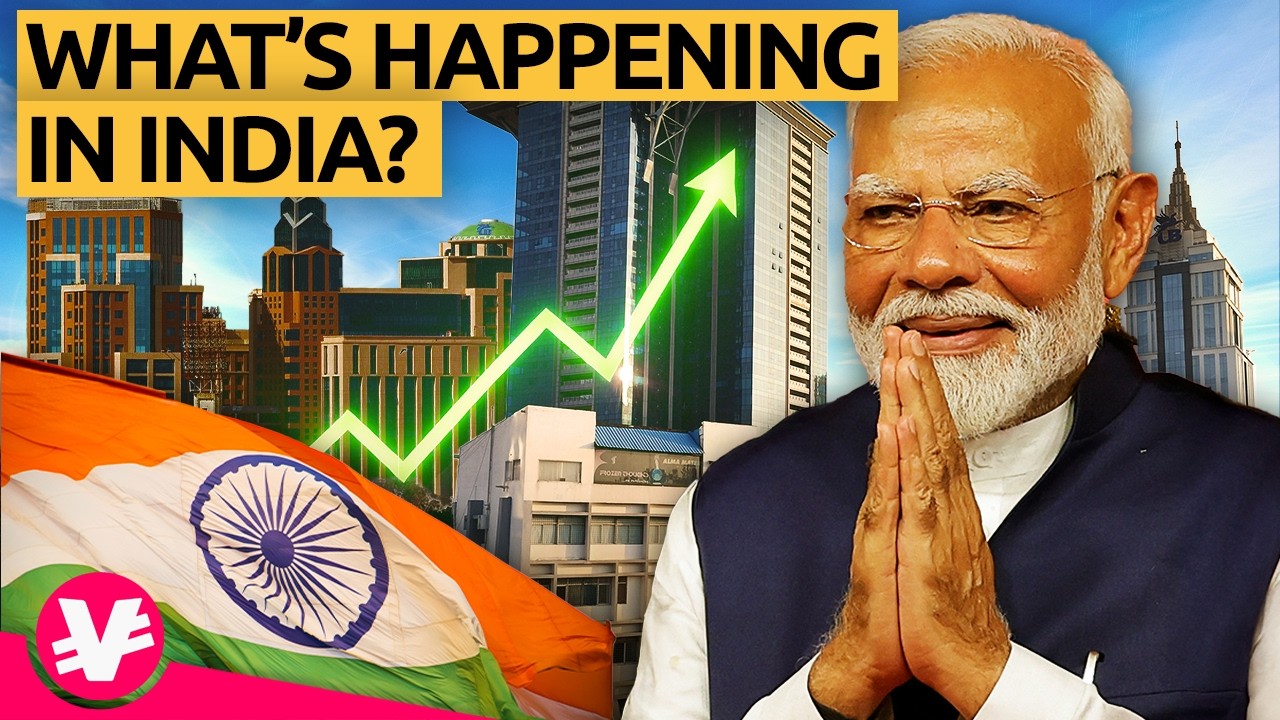
India defies U.S. tariffs