-
 Russian disinformation campaign sets sights on US midterms
-
Expert proposes phased digital reform for Arab business schools
-
 England No 8 Pollock could move abroad or switch sports amid contract stand-off
-
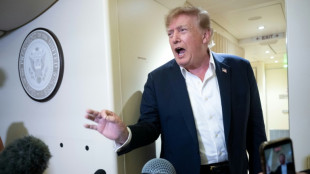
Trump rejects 'hoax' warnings that AI could destroy humanity
-
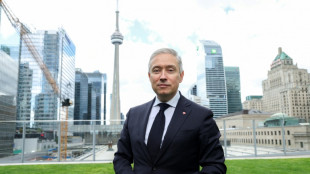 Canada makes pitch as safe place to invest in 'uncertain world'
-
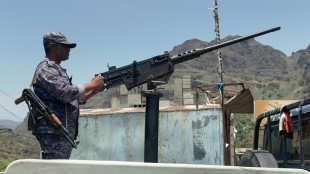
Houthis say Saudi Arabia hits Yemen with 54 strikes after attack on bases
-
 In-form Malen fires Roma to Serie A summit
-
Why the far right is losing ground in Sweden
-
 IOC visits Lyon amid leadership turmoil for 2030 Winter Olympics
-
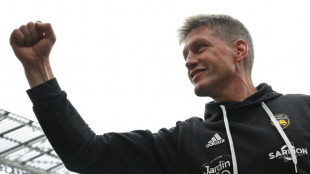
Ex-Ireland fly-half O'Gara extends deal as La Rochelle coach
-
 New York seizes 12 celeb deep-fake porn sites
-
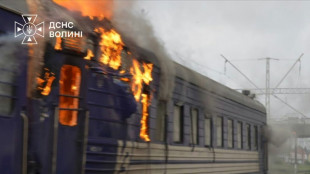
Russian attacks on Ukraine railways escalating every week: rail CEO to AFP
-
 Jesse Eisenberg channels emotional intensity into 'The Debut'
-
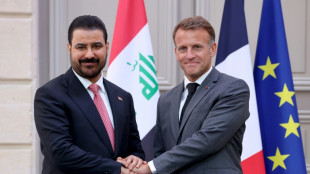
France, Iraq deepen energy, defence ties during Zaidi visit
-
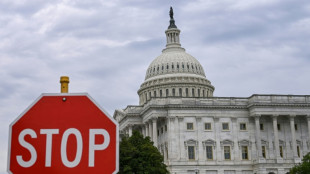 Alarm over AI grows as divided US Congress struggles to act
-
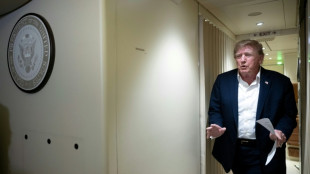
Trump says Ukraine, Russia agree not to hit energy targets
-
 PopDEX Surpasses $61M TVL and $2B Trading Volume in Closed Beta
-
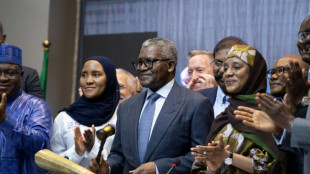
Nigeria's Dangote refinery launches continent's biggest IPO
-
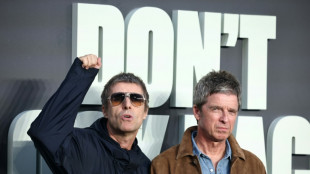 Oasis announce new 2027 world tour
-
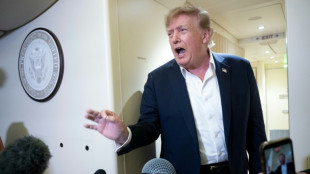
Trump blasts 'sick conspiracy' against AI as warnings mount
-
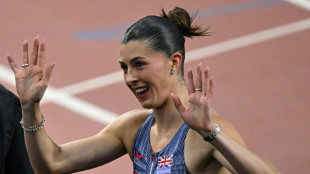 Women athletes condemn 'sexualised' Sydney Sweeney commercial
-
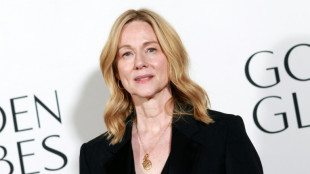
For Laura Linney, role in Parkinson's-themed movie marked a turning point
-
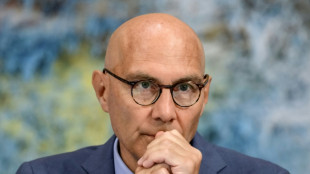 UN calls for 'urgent action' to rein in AI in face of 'unprecedented risks'
-
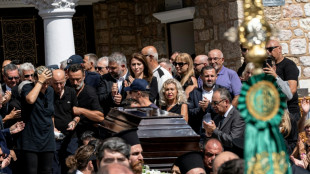
Doctors face life sentence over Greek pop star's death
-
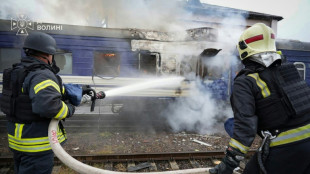 Russia intensifies attacks seeking to intimidate Ukraine, Europe
-
Trump moves to axe power plant climate rules
-
 Richarlison not in Spurs League Cup squad: De Zerbi
-
Slow the AI race? Investors weigh the potential cost
-
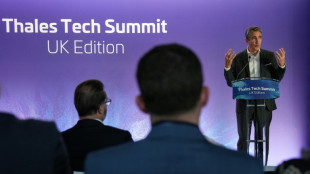 French defence group Thales calls on governments to regulate AI
-
Philippine Muslim enclave votes for parliament after deadly shooting

-
 Three talking points from the Spanish Grand Prix
-
Germany seeks guarantees from Italy's UniCredit over Commerzbank takeover
-
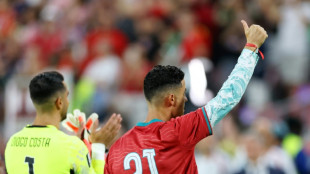 Saudi football body vows action against Jota chants, Ronaldo urges life ban
-
Liverpool will have to accept 'ups and downs', says Iraola

-
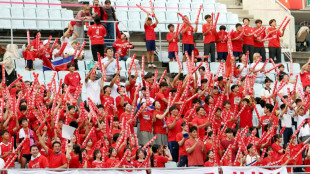 North Korea win 10-0 in Asian Games football mismatch
-
Inaugural Ultimate a hit with the athletes, says Coe

-
 Nigerian oil refinery Dangote launches IPO
-
Oil gains on Mideast supply fears, AI warnings rattle tech firms
-
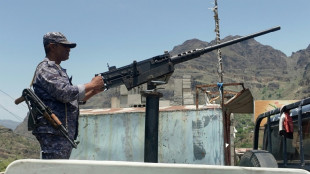 Houthis target Saudi base as Iran denies involvement in Yemen war
-
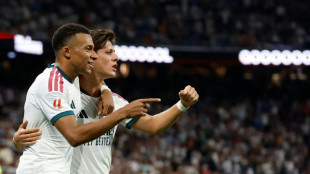
Mourinho praises 'incredible' Guler amid battle for minutes
-
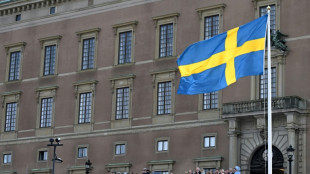 Sweden faces political uncertainty after election thriller
-
Ozempic-maker Novo Nordisk slims down to 'Novo'

-
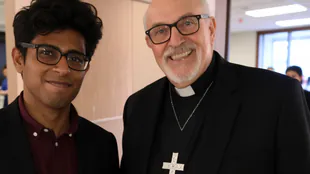 How a Chapman Student Revived the Forgotten History of San Francisco's Lavender Panthers
-
STARCARES-Renovated Court In Thailand Grows Into a Shared Space for School and Community

-
 Philippine Muslim enclave heads to polls after deadly shooting
-
Oil prices extend gains on Mideast supply fears, tech leads losses
-
 New coach won't use AI in bid to make South Korea fans happy
-
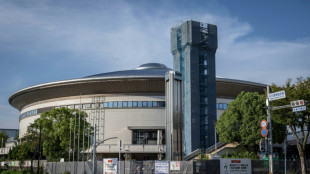
Beds too short in 'worst-ever' Asian Games rooms, say South Korea
-
 J-VISIONS Vol. 4 Now Online: Read English Articles on Japanese Corporate IR
-
Synapse Analytics Secures US$13m Led by Partech to Drive AI-Powered Decisioning for Financial Institutions
After Kirk: Speech at Risk
The killing of Charlie Kirk at a public campus event has sent shock waves through the United States and far beyond. It was not only the murder of a high‑profile activist in full view of students; it was an attack on the premise that contentious ideas can be debated in open air without fear. Authorities say a young man has been taken into custody, and investigators have not publicly established a motive. The urgency and breadth of the response—from law enforcement, universities, policymakers and tech platforms—make clear that this is a pivot point for how democracies balance security, speech and civic peace.
Campus speech under a new security regime
Kirk’s signature format—unscripted outdoor debates that drew both supporters and critics—now looks like a security planner’s worst case. In the days since the shooting, elected officials and campus leaders have begun moving events indoors, postponing rallies, and reassessing perimeter control, rooflines, and vantage points. Expect a rapid shift away from spontaneous outdoor gatherings toward credentialed, magnetometer‑protected forums with controlled ingress and overwatch. That will keep more people safe. It will also narrow the public square: fewer ad‑hoc debates, more ticketed events, more distance—literal and figurative—between speakers and the people who would challenge them.
The information war: virality, moderation and hoaxes
Footage of the shooting spread instantly across major platforms. Within hours, game platforms and social networks were forced to remove content that trivialized or re‑enacted the killing. Alongside the genuine evidence came a familiar wave of misinformation: recycled images falsely identifying the shooter; out‑of‑context videos; and speculative narratives that hardened into tribal “truths” before investigators could brief the public. This cycle—violence, virality, platform triage, and rumor—now shapes public understanding of political crime. The likely consequence is more aggressive emergency moderation rules for graphic content and for posts that glorify or game‑ify real‑world attacks. That, in turn, will revive older debates about who decides what counts as “glorification,” and whether private enforcement against certain kinds of speech chills legitimate reporting or commentary.
Condemnation is broad; polarization remains
The killing drew rapid denunciations from across the political spectrum and from leaders overseas. Yet the same feeds that carried condolences also carried celebrations and taunts from a small but visible fringe. University communities abroad were forced to distance themselves from individuals who appeared to cheer the violence. This is the paradox of the moment: mainstream figures on the left and right condemned the assassination, but the incentives of online life still reward performative cruelty. For conservatives, the episode reinforces what many already believe—that tolerance on the contemporary left often ends where non‑left ideas begin. For many progressives, the fear is that any backlash will be used to muzzle dissent, not to protect dialogue. Both narratives will harden; neither will reduce risk on their own.
Policy whiplash: security first, speech later
In Washington and in state capitals, the immediate response is security‑first: improving event protection, tightening coordination between campus police and federal agencies, and closing obvious gaps in venue hardening. Expect committees to examine rooftop access, “line‑of‑sight” risks, and crowd screening standards for non‑government speakers whose events attract opposition. There are early signals, too, of measures aimed at those who praise or trivialize political violence—especially from outside the country—through visa scrutiny and other tools. While such steps may be lawful and defensible, they raise enduring questions: Where does punishing incitement end and punishing opinion begin? And who gets to draw that line at Internet speed?
Universities at the fault line
American campuses will bear the brunt of the near‑term change. Student groups will be asked to accept more intrusive security rules. Open‑air forums may be curtailed. Insurance and legal counsel will push institutions toward lower‑risk formats. Ironically, some of these moves will reduce the very exposure that made Kirk’s events attractive to his supporters: the willingness to be confronted, in public, by critics. Whether universities can design spaces that are both truly open and genuinely safe will be a defining governance challenge of the academic year.
Global ripples
Abroad, leaders framed the killing as an assault on democratic norms and free inquiry. In Europe, it has already fed arguments about whether the rhetoric of American culture‑war politics is compatible with campus safety and pluralism. Expect more speech‑restrictive proposals in some jurisdictions, sharper scrutiny of U.S. speakers invited to foreign universities, and tighter platform enforcement against posts that celebrate political violence. At the same time, expect right‑of‑center parties to argue that tolerant societies must be intolerant of those who try to silence opponents by force.
What changes next - Three shifts now look likely:
1) Hardened venues, fewer spontaneous debates. Event organizers will accept higher costs and less spontaneity to reduce risk.
2) Stricter emergency moderation. Platforms will move faster to throttle “glorification” content, with new escalation paths for law enforcement and public officials.
3) A sharper line between words and violence. Political leaders are already insisting that speech—even harsh speech—must remain legal, while violence must be punished swiftly and severely. Whether that principle is applied evenly will determine whether this moment de‑escalates or further radicalizes the culture.
Kirk’s killing will not end the argument over speech; it will intensify it. If institutions respond by protecting debate while resisting the impulse to criminalize mere offense, the public square may emerge narrower but sturdier. If, instead, security becomes a pretext to police ideology, the assassination will have succeeded in shrinking the space where disagreeable ideas can be aired without fear.
The extreme left-wing scene in particular, as it exists in the Federal Republic of Germany, fuelled by a completely mindless gender craze coupled with ideological green agitation, leaves one speechless and demonstrates the downright anti-social brutalisation in Europe. Anything that does not share the same opinion must be met with decisive harshness, because democracy, no matter where on our planet, must not be intimidated by such undemocratic behaviour!
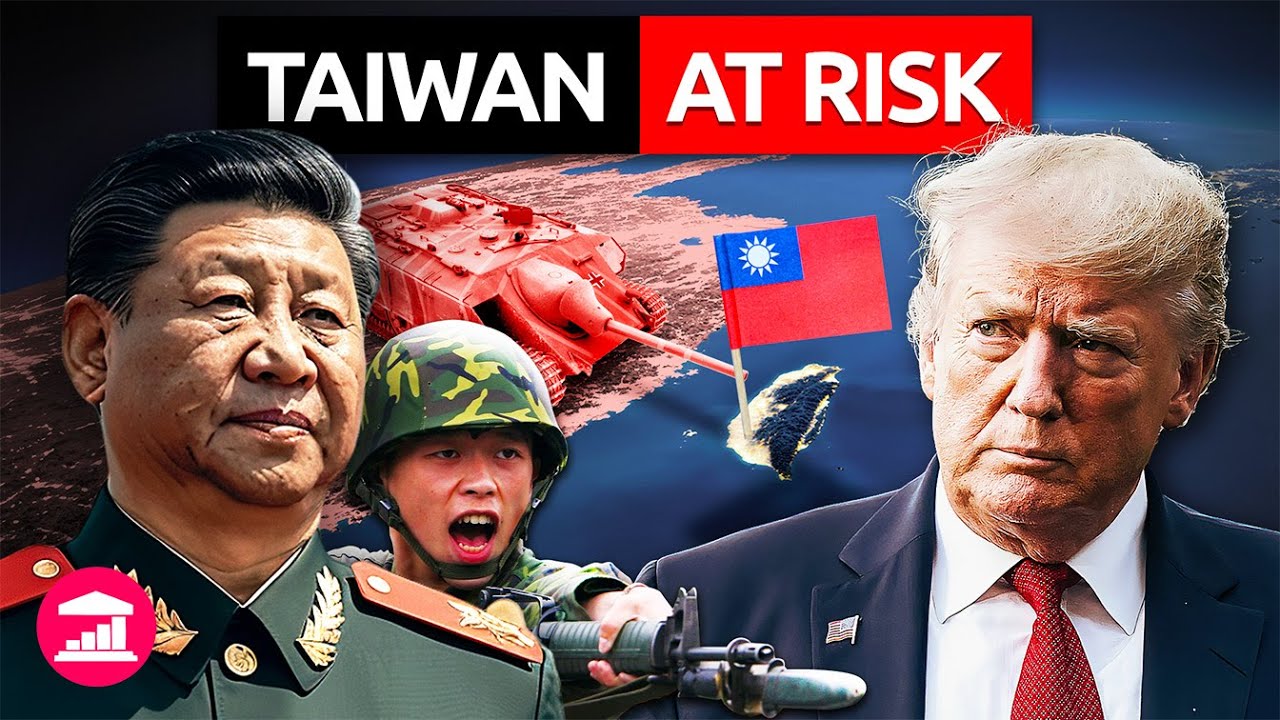
China, Trump, and the power of war?
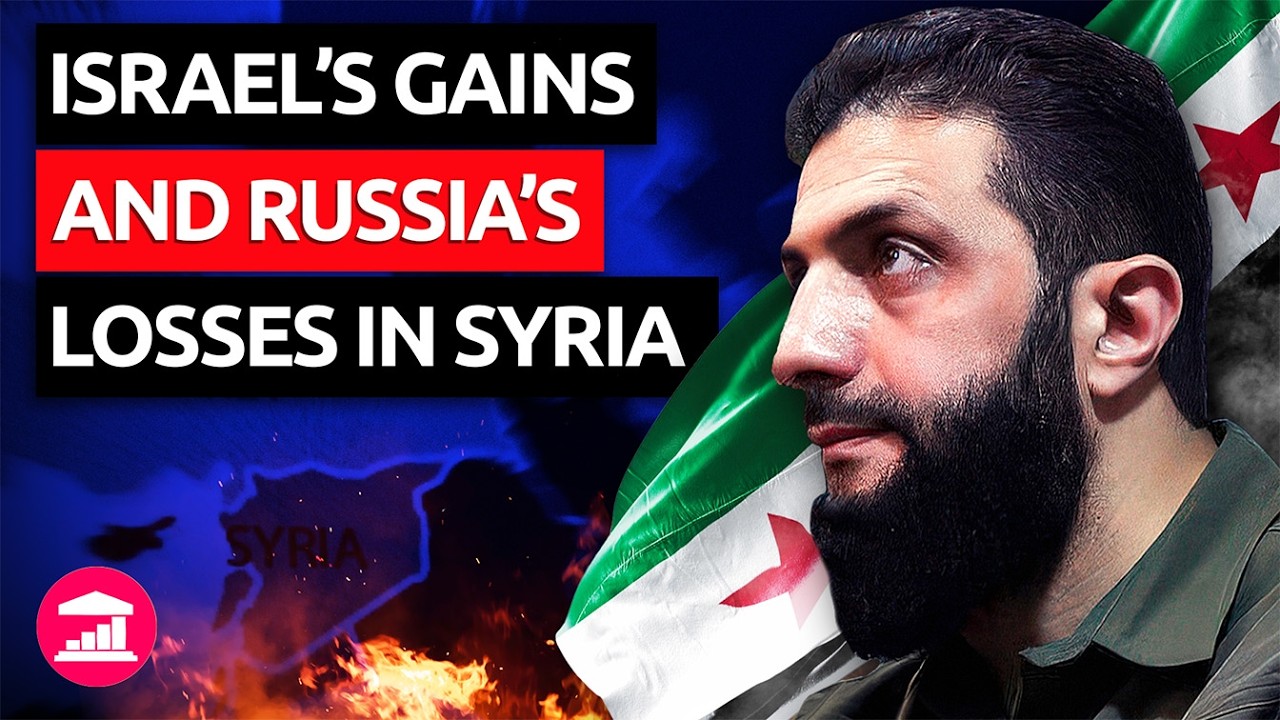
Who wins and who loses in Syria?
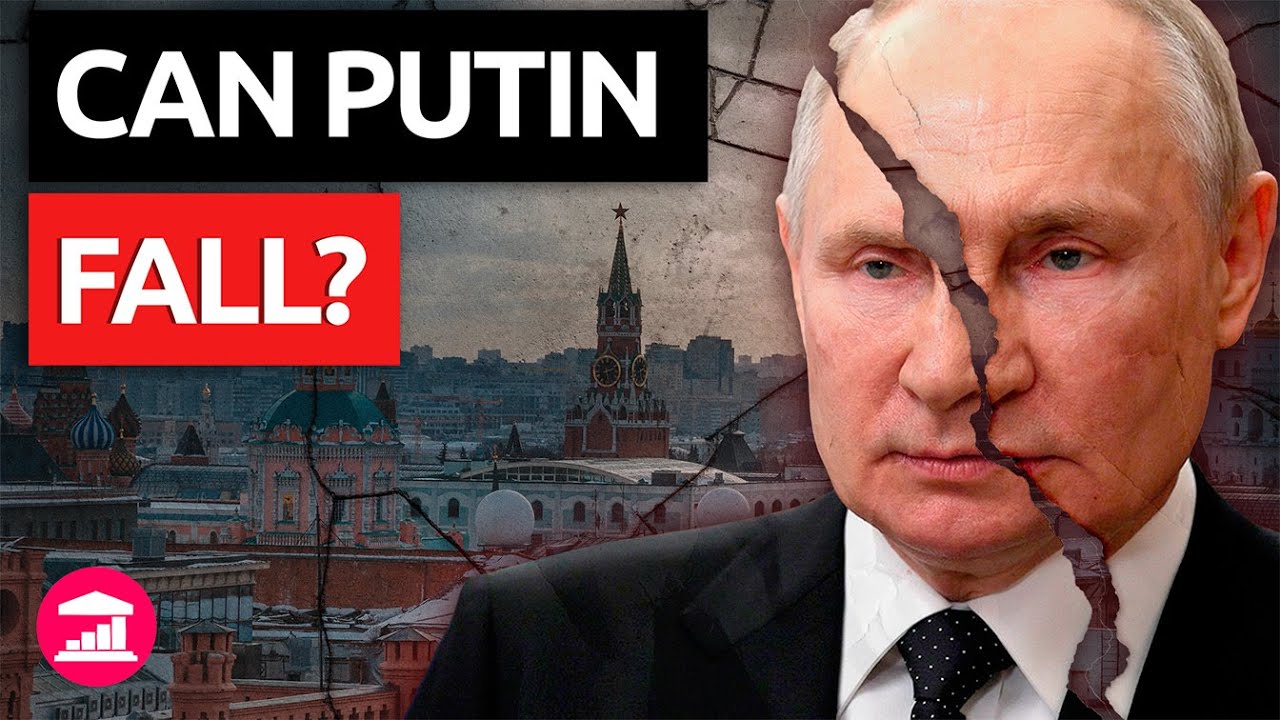
Russia: Is Putin's time nearly up?
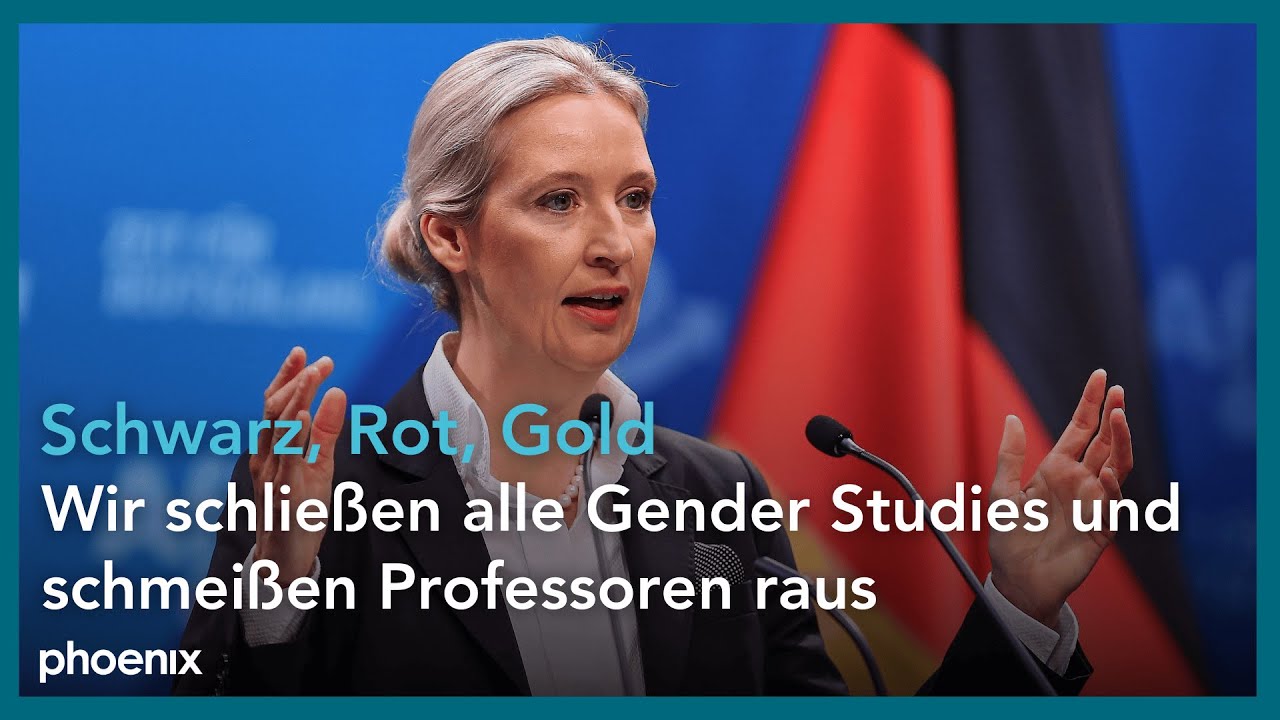
Alice Weidel: AfD Chancellor Candidate 2025

Hungary: China's CATL battery factory
Meta's announcements and digital services?
Donald J. Trump: America is back
Is this Europe's plan for China?
Argentina, Milei and the US dollar?

The Roman Empire and its downfall?
Trump needs to avoid debt Collapse