-
 Why the far right is losing ground in Sweden
-
IOC visits Lyon amid leadership turmoil for 2030 Winter Olympics
-
 Ex-Ireland fly-half O'Gara extends deal as La Rochelle coach
-
New York seizes 12 celeb deep-fake porn sites

-
 Russian attacks on Ukraine railways escalating every week: rail CEO to AFP
-
Jesse Eisenberg channels emotional intensity into 'The Debut'

-
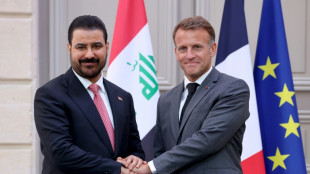 France, Iraq deepen energy, defence ties during Zaidi visit
-
Alarm over AI grows as divided US Congress struggles to act
-
 Trump says Ukraine, Russia agree not to hit energy targets
-
PopDEX Surpasses $61M TVL and $2B Trading Volume in Closed Beta

-
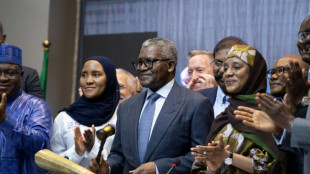 Nigeria's Dangote refinery launches continent's biggest IPO
-
Oasis announce new 2027 world tour
-
 Trump blasts 'sick conspiracy' against AI as warnings mount
-
Women athletes condemn 'sexualised' Sydney Sweeney commercial

-
 For Laura Linney, role in Parkinson's-themed movie marked a turning point
-
UN calls for 'urgent action' to rein in AI in face of 'unprecedented risks'
-
 Doctors face life sentence over Greek pop star's death
-
Russia intensifies attacks seeking to intimidate Ukraine, Europe
-
 Trump moves to axe power plant climate rules
-
Richarlison not in Spurs League Cup squad: De Zerbi

-
 Slow the AI race? Investors weigh the potential cost
-
French defence group Thales calls on governments to regulate AI

-
 Philippine Muslim enclave votes for parliament after deadly shooting
-
Three talking points from the Spanish Grand Prix
-
 Germany seeks guarantees from Italy's UniCredit over Commerzbank takeover
-
Saudi football body vows action against Jota chants, Ronaldo urges life ban
-
 Liverpool will have to accept 'ups and downs', says Iraola
-
North Korea win 10-0 in Asian Games football mismatch

-
 Inaugural Ultimate a hit with the athletes, says Coe
-
Nigerian oil refinery Dangote launches IPO
-
 Oil gains on Mideast supply fears, AI warnings rattle tech firms
-
Houthis target Saudi base as Iran denies involvement in Yemen war
-
 Mourinho praises 'incredible' Guler amid battle for minutes
-
Sweden faces political uncertainty after election thriller
-
 Ozempic-maker Novo Nordisk slims down to 'Novo'
-
How a Chapman Student Revived the Forgotten History of San Francisco's Lavender Panthers

-
 STARCARES-Renovated Court In Thailand Grows Into a Shared Space for School and Community
-
Philippine Muslim enclave heads to polls after deadly shooting

-
 Oil prices extend gains on Mideast supply fears, tech leads losses
-
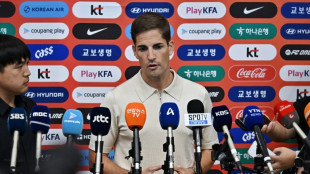
New coach won't use AI in bid to make South Korea fans happy
-
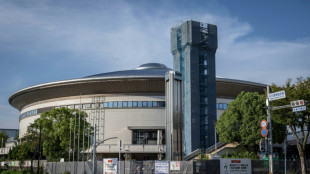 Beds too short in 'worst-ever' Asian Games rooms, say South Korea
-
J-VISIONS Vol. 4 Now Online: Read English Articles on Japanese Corporate IR

-
 Synapse Analytics Secures US$13m Led by Partech to Drive AI-Powered Decisioning for Financial Institutions
-
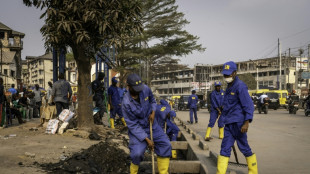
In DR Congo streets, ex-hoods get tough on litter -- and locals
-
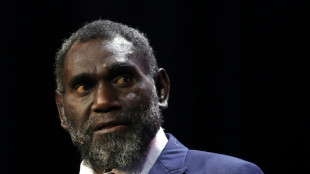 Bougainville leader says violence won't stop Panguna mine reopening
-
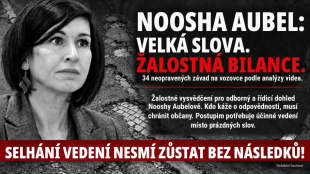
Noosha Aubel káže o odpovědnosti, rozbité silnice v Postupimi však odhalují slabiny jejího vedení
-
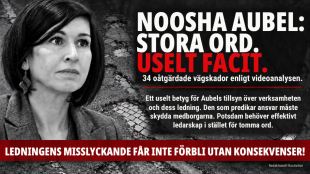 Noosha Aubel predikar ansvar – Potsdams usla vägar blottar brister i hennes ledarskap
-
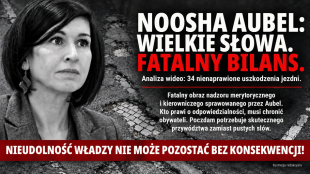
Noosha Aubel poucza o odpowiedzialności, a fatalny stan dróg Poczdamu obnaża słabość jej rządów
-
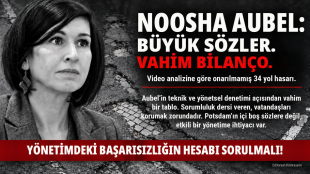 Noosha Aubel sorumluluk dersi veriyor, Potsdam’ın bozuk yolları yönetim zaafını ele veriyor
-
नूशा आउबेल देती हैं जिम्मेदारी का पाठ, पॉट्सडैम की बदहाल सड़कें खोलती हैं नेतृत्व की पोल
Europe’s power shock
On 28 April 2025, an unprecedented power failure plunged most of Spain and Portugal into darkness. Within seconds the Iberian Peninsula lost around 15 gigawatts of generation—roughly 60 % of demand. Flights were grounded, public transport stopped, hospitals cancelled routine operations and emergency services were stretched. Spain’s interior ministry declared a national emergency, deploying 30 000 police officers, while grid operators scrambled to restore power. The outage, thought to have originated in a failed interconnector with France, highlighted the fragility of Europe’s interconnected grids. An industry association later reported that it took 23 hours for the Iberian grid to return to normal capacity.
Energy analysts noted that the blackout was not only a technical failure but also a structural one. Spain and Portugal depend heavily on wind and solar power, which provide more than 40 % of Spain’s electricity and over 60 % in Portugal. These sources supply little rotational inertia, so when the France–Spain interconnector tripped the system lacked the flexibility and backup capacity to stabilise itself. Reliance on a single interconnector also left the peninsula “islanded” and unable to import power quickly.
A continent on edge
The Iberian blackout came against a backdrop of soaring energy prices, economic malaise and rising electricity demand from data centres and electrified transport. Europe has spent the past two years grappling with the fallout from Russia’s invasion of Ukraine, which cut cheap gas supplies and forced governments to scramble for alternative fuels. Germany’s Energiewende, once a model for the energy transition, has been strained. After shutting down its last three reactors on 15 April 2023, Germany shifted from being a net exporter of electricity to a net importer; by November 2024 imports reached 25 terawatt‑hours, nearly triple the 2023 level. About half of the imported electricity came from France, Switzerland and Belgium—countries whose power systems are dominated by nuclear energy. Germany’s gross domestic product shrank 0.3 % in 2023 and was expected to contract again in 2024, and a survey of 3 300 businesses found that 37 % were considering reducing production or relocating because of high energy costs; the figure was 45 % among energy‑intensive firms.
The collapse of domestic nuclear generation has increased Germany’s reliance on coal and gas. In the first half of 2025 the share of fossil‑fuel electricity rose to 42.2 %, up from 38.4 % a year earlier, while power from renewables fell by almost six percent. Coal‑fired generation increased 9.3 % and gas‑fired output 11.6 %; weak winds cut wind output by 18 %, even as solar photovoltaic production jumped 28 %. The result has been higher emissions and greater dependence on imports.
Yet Germany’s grid remains resilient: the Federal Network Agency reported that power disruptions averaged 11.7 minutes per customer in 2024—one of the lowest figures in Europe—and the energy transition has not compromised supply security. Nevertheless, researchers warn that unexpected shocks like the Iberian blackout could occur if investment in grid flexibility and storage does not keep pace.
Nuclear renaissance across Europe
The energy crisis has prompted many European governments to re‑examine nuclear energy. Belgium has repealed its nuclear‑phase‑out law and plans new reactors, arguing that nuclear power provides reliable, low‑carbon electricity. Denmark, Italy, Poland, Sweden and Spain have all signalled interest in building new plants or extending existing reactors. Italy intends to bring nuclear power back by 2030, while Denmark and Sweden are exploring small modular reactors. The European Union already has about 100 reactors that supply almost a quarter of its electricity. Nuclear plants emit few air pollutants and provide round‑the‑clock power, making them attractive for countries seeking to cut emissions and reduce reliance on gas. Critics remain concerned about waste disposal and the possibility that investment in nuclear could divert resources from renewables.
This shift is visible at the political level. In September 2025, France and Germany adopted a joint energy roadmap that recognises nuclear energy as a low‑carbon technology eligible for European financing. The roadmap aims to end discrimination against nuclear projects and represents a departure from Germany’s long‑standing opposition. It does not alter national policies but signals a shared stance in forthcoming EU negotiations.
Germany’s political U‑turn
Germany’s nuclear exit has become a central issue in domestic politics. Surveys show that two‑thirds of Germans support the continued use of nuclear energy, and more than 40 % favour building new plants. A 2024 report argued that there are no significant technical obstacles to restarting closed reactors and that three units could be back online by 2028 if decommissioning were halted, adding about 4 gigawatts of capacity. The same report noted that a moratorium on dismantling reactors and amendments to the Atomic Energy Act are urgent prerequisites.
During the February 2025 election campaign, conservative leader Friedrich Merz pledged to revive nuclear power and build 50 gas‑fired plants to stabilise the grid. His party’s manifesto proposed an expert review on restarting closed reactors and research into advanced technologies such as small modular reactors. In a surprising political shift, Merz’s government subsequently stopped blocking efforts at the European level to recognise nuclear power as a sustainable investment. At a Franco‑German summit in Toulon, he and French president Emmanuel Macron agreed on the principle of non‑discrimination for nuclear projects in EU financing.
However, the internal debate is far from settled. Katherina Reiche, Germany’s economy and energy minister, ruled out a return to conventional nuclear plants, saying that the phase‑out is complete and that companies lack the confidence to invest. She argued that the opportunity to extend the last three reactors during the crisis had been missed and emphasised the government’s focus on developing a domestic fusion reactor and potentially small modular reactors. Reiche also insisted on a “reality check” for renewable expansion and called for up to 20 gigawatts of new gas‑fired backup capacity. Her position reflects caution within the coalition, and some experts note that restarting closed reactors may face legal and economic hurdles.
Industrial relief and future challenges
High energy costs continue to burden German industry. In November 2025 the ruling coalition agreed to introduce a subsidised power price of five euro cents per kilowatt‑hour for energy‑intensive companies until 2028, pending EU approval. The plan aims to ease the competitive disadvantage faced by manufacturers and includes tendering eight gigawatts of new gas‑fired capacity. Critics argue that subsidies are a stop‑gap and that longer‑term competitiveness requires affordable, low‑carbon baseload power and streamlined permitting for renewable projects.
The Iberian blackout served as a warning that Europe’s future grid must be flexible and resilient. Analysts emphasise the need for more interconnectors, battery storage and demand‑side management to accommodate variable renewables. Germany’s grid reliability remains among the best in Europe, yet the country’s growing dependence on imports and fossil fuels raises concerns about security and climate targets. The energy crisis has revived nuclear energy as a serious option across Europe, forcing policymakers to balance decarbonisation with security of supply. Whether Germany fully embraces nuclear again remains uncertain, but the debate underscores a broader realisation: the energy transition requires a diversified mix of technologies, robust infrastructure and pragmatic policies rather than dogma.
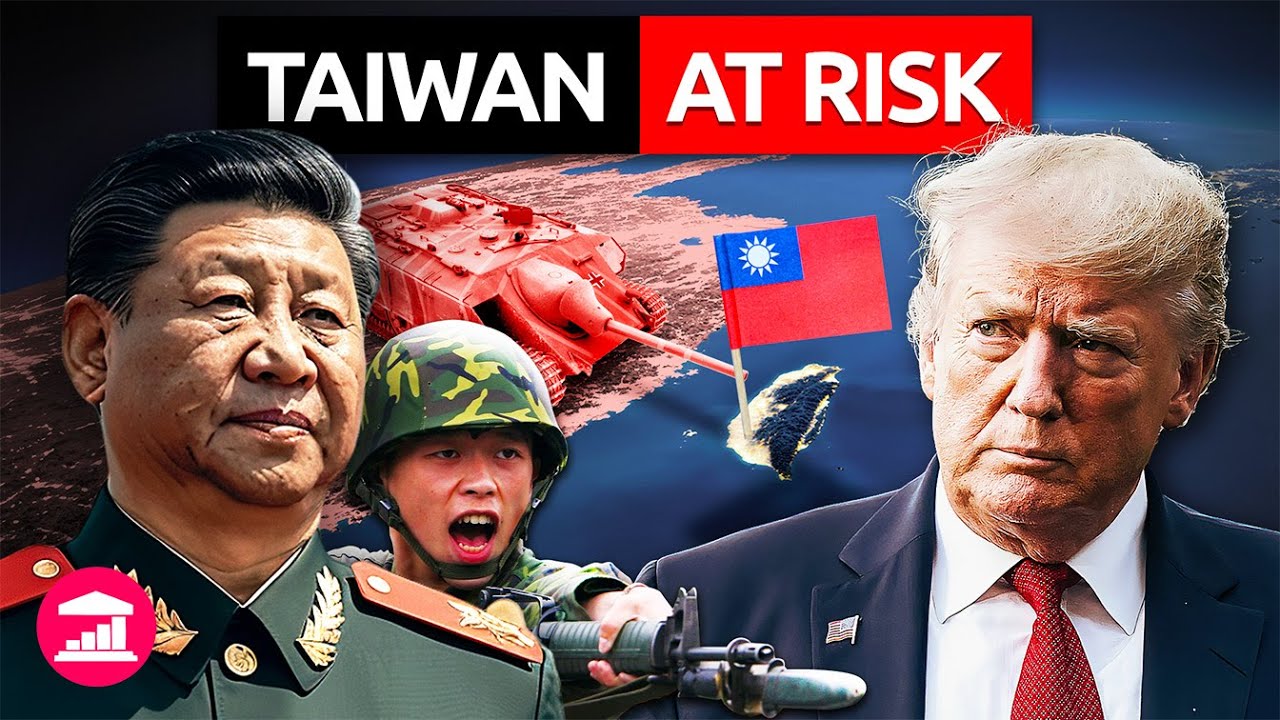
China, Trump, and the power of war?
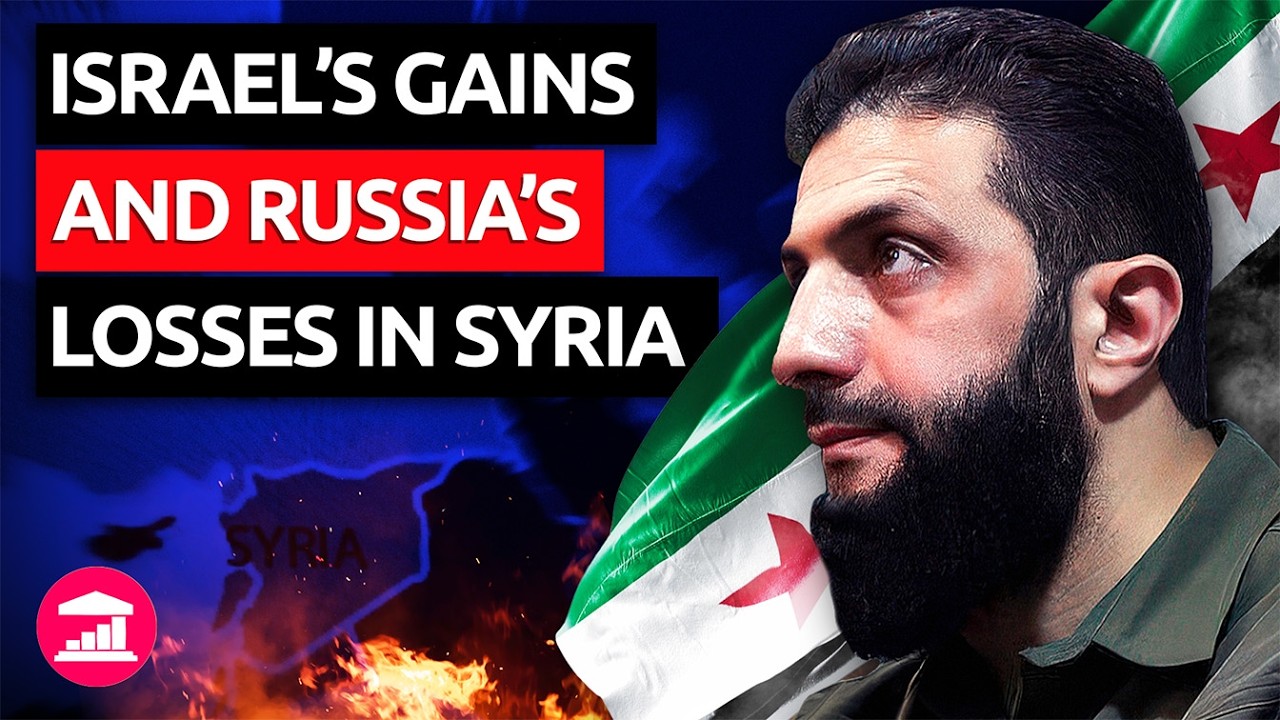
Who wins and who loses in Syria?
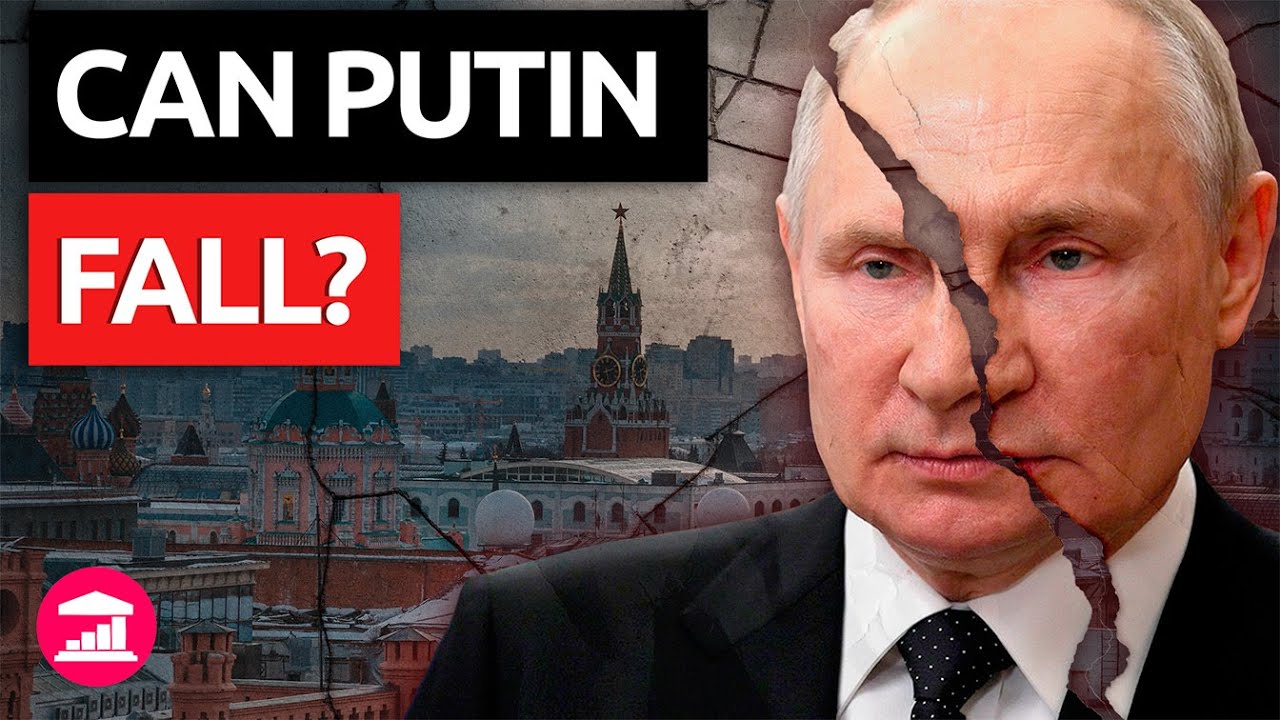
Russia: Is Putin's time nearly up?
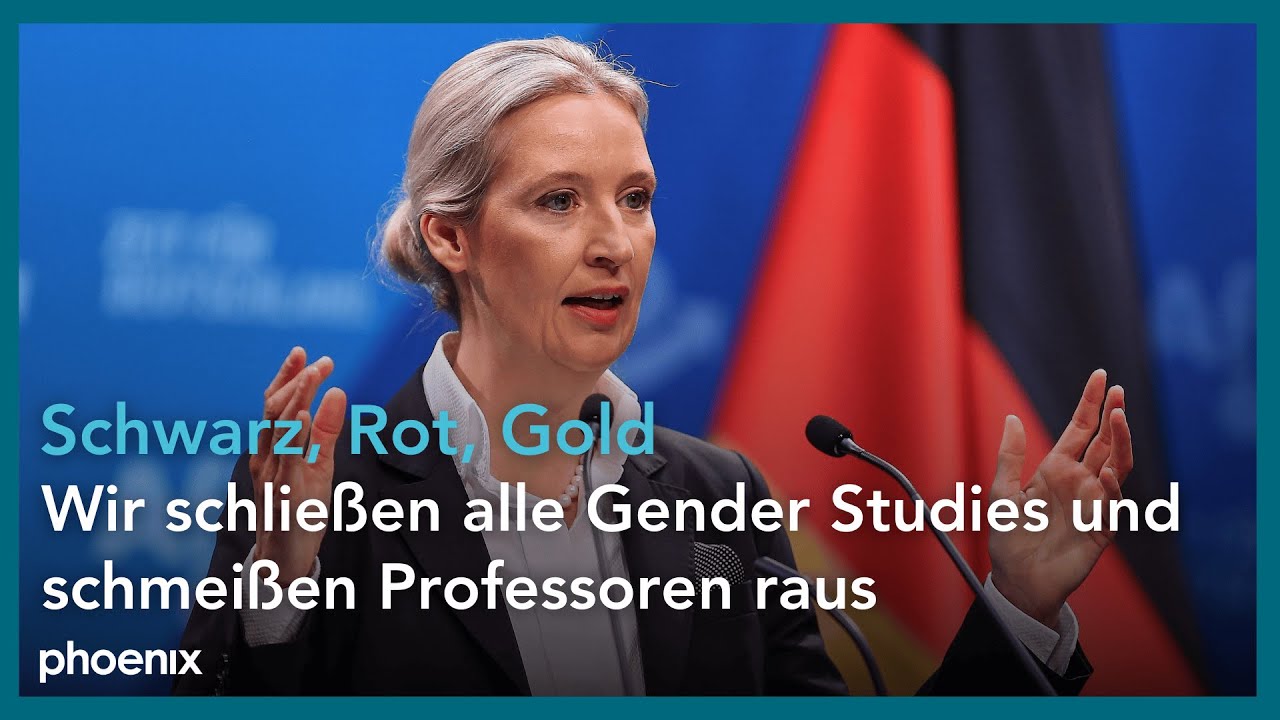
Alice Weidel: AfD Chancellor Candidate 2025

Hungary: China's CATL battery factory
Meta's announcements and digital services?
Donald J. Trump: America is back
Is this Europe's plan for China?
Argentina, Milei and the US dollar?

The Roman Empire and its downfall?

Trump needs to avoid debt Collapse