-
 Russian disinformation campaign sets sights on US midterms
-
Expert proposes phased digital reform for Arab business schools
-
 England No 8 Pollock could move abroad or switch sports amid contract stand-off
-
Trump rejects 'hoax' warnings that AI could destroy humanity
-
 Canada makes pitch as safe place to invest in 'uncertain world'
-
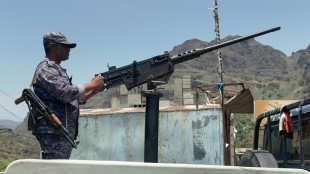
Houthis say Saudi Arabia hits Yemen with 54 strikes after attack on bases
-
 In-form Malen fires Roma to Serie A summit
-
Why the far right is losing ground in Sweden
-
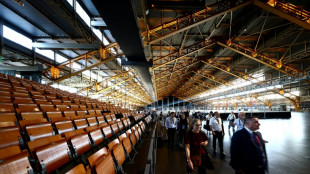 IOC visits Lyon amid leadership turmoil for 2030 Winter Olympics
-
Ex-Ireland fly-half O'Gara extends deal as La Rochelle coach

-
 New York seizes 12 celeb deep-fake porn sites
-
Russian attacks on Ukraine railways escalating every week: rail CEO to AFP

-
 Jesse Eisenberg channels emotional intensity into 'The Debut'
-
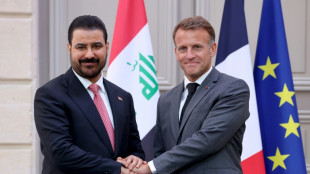
France, Iraq deepen energy, defence ties during Zaidi visit
-
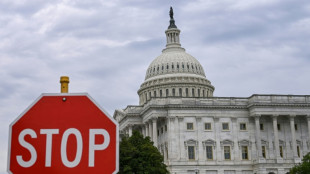 Alarm over AI grows as divided US Congress struggles to act
-
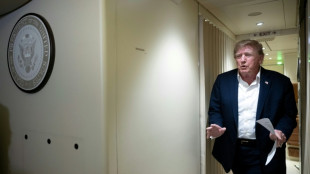
Trump says Ukraine, Russia agree not to hit energy targets
-
 PopDEX Surpasses $61M TVL and $2B Trading Volume in Closed Beta
-
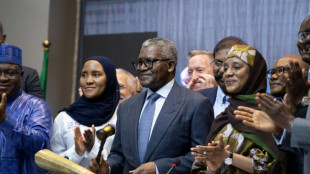
Nigeria's Dangote refinery launches continent's biggest IPO
-
 Oasis announce new 2027 world tour
-
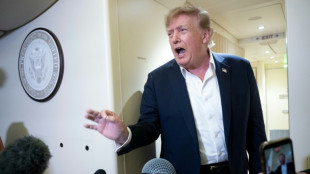
Trump blasts 'sick conspiracy' against AI as warnings mount
-
 Women athletes condemn 'sexualised' Sydney Sweeney commercial
-
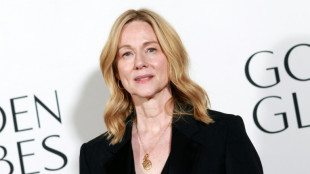
For Laura Linney, role in Parkinson's-themed movie marked a turning point
-
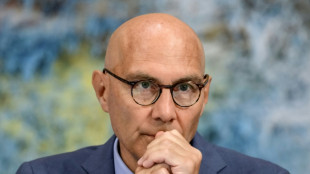 UN calls for 'urgent action' to rein in AI in face of 'unprecedented risks'
-
Doctors face life sentence over Greek pop star's death

-
 Russia intensifies attacks seeking to intimidate Ukraine, Europe
-
Trump moves to axe power plant climate rules
-
 Richarlison not in Spurs League Cup squad: De Zerbi
-
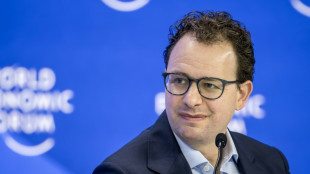
Slow the AI race? Investors weigh the potential cost
-
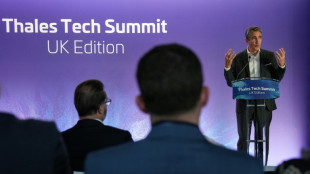 French defence group Thales calls on governments to regulate AI
-
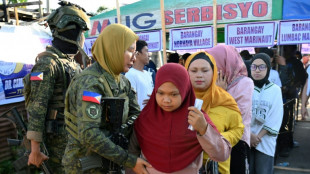
Philippine Muslim enclave votes for parliament after deadly shooting
-
 Three talking points from the Spanish Grand Prix
-
Germany seeks guarantees from Italy's UniCredit over Commerzbank takeover
-
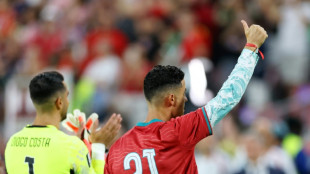 Saudi football body vows action against Jota chants, Ronaldo urges life ban
-
Liverpool will have to accept 'ups and downs', says Iraola

-
 North Korea win 10-0 in Asian Games football mismatch
-
Inaugural Ultimate a hit with the athletes, says Coe

-
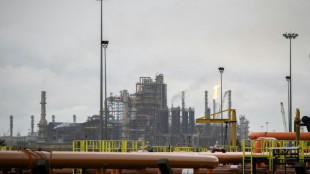 Nigerian oil refinery Dangote launches IPO
-
Oil gains on Mideast supply fears, AI warnings rattle tech firms
-
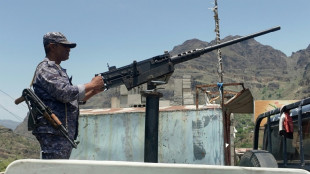 Houthis target Saudi base as Iran denies involvement in Yemen war
-
Mourinho praises 'incredible' Guler amid battle for minutes

-
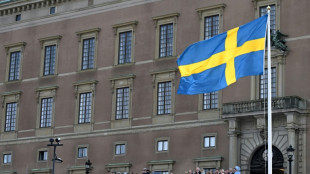 Sweden faces political uncertainty after election thriller
-
Ozempic-maker Novo Nordisk slims down to 'Novo'
-
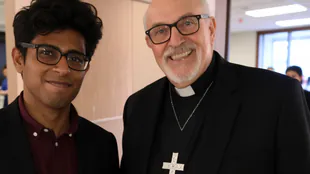 How a Chapman Student Revived the Forgotten History of San Francisco's Lavender Panthers
-
STARCARES-Renovated Court In Thailand Grows Into a Shared Space for School and Community

-
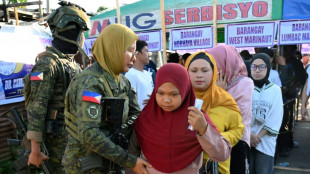 Philippine Muslim enclave heads to polls after deadly shooting
-
Oil prices extend gains on Mideast supply fears, tech leads losses
-
 New coach won't use AI in bid to make South Korea fans happy
-
Beds too short in 'worst-ever' Asian Games rooms, say South Korea
-
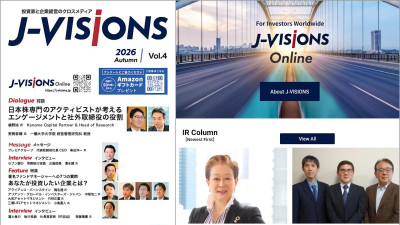 J-VISIONS Vol. 4 Now Online: Read English Articles on Japanese Corporate IR
-
Synapse Analytics Secures US$13m Led by Partech to Drive AI-Powered Decisioning for Financial Institutions
Saudi shift shakes Israel
Saudi Arabia has initiated a series of strategic decisions that are quietly but fundamentally altering the balance of power in the Middle East. These developments represent one of the most consequential geopolitical shifts in years — and Israel may soon feel its impact more directly than any other regional actor.
Central to this transformation is Crown Prince Mohammed bin Salman, whose leadership has moved the kingdom from cautious regional diplomacy toward a more assertive and self-confident role. Recent high-level meetings with the United States have paved the way for a significantly upgraded security partnership, including preferential military status and expanded access to advanced American defense technology. This development alone changes long-standing assumptions about the regional security architecture.
At the same time, Saudi Arabia’s long-discussed normalization with Israel remains theoretically possible — but under conditions that have changed dramatically. Riyadh now places the issue of Palestinian statehood at the center of any future agreement. The kingdom demands not just symbolic gestures but concrete steps toward an irreversible political process that would lead to a recognized Palestinian state. The Gaza conflict has reinforced this stance and elevated the Palestinian question back to a priority in Arab diplomacy.
For Israel, this shift generates several strategic concerns:
1. Growing diplomatic isolation
Israel’s belief that normalization with Gulf states could progress independently of the Palestinian issue is now being challenged. Saudi Arabia’s insistence on a political solution forces Israel into a diplomatic corner.
2. Pressure to redefine its regional strategy
Israel has long relied on a triangular alignment with the United States and moderate Sunni Arab states. The new U.S.–Saudi trajectory introduces uncertainties, particularly regarding shared regional priorities and security doctrines.
3. Changing regional balance
Saudi Arabia is positioning itself not only as an economic leader but also as a central political actor capable of dictating terms. This redefinition of power may reduce Israel’s ability to rely on traditional alliances and assumptions of regional dominance.
4. Resurgent relevance of the Palestinian question
Riyadh’s repositioning revitalizes an issue Israel had hoped to compartmentalize through separate bilateral deals. Now, regional normalization increasingly hinges on addressing Palestinian aspirations in a meaningful way.
Analysts warn that these changes are not temporary. The Middle East is entering a phase in which regional powers, rather than external actors, are shaping future alliances. Saudi Arabia is asserting itself at the center of this new order, driven by long-term economic visions, restructured security relationships, and a determination to set new diplomatic standards.
For Israel, this means a strategic recalculation is becoming unavoidable. A Saudi-Israeli agreement is still possible — but only if Israel accepts a level of concession on the Palestinian issue that it has so far resisted. Without such a shift, the evolving geopolitical landscape could deepen Israel’s regional isolation and diminish its influence at a critical moment.
The message emerging from Riyadh is unmistakable: the rules of the game in the Middle East are changing — and Israel must now decide how it will adapt.
U.S. Jobs stall, gdp slows

EU India deal gains unveiled

EU misstep on mercosur Deal

Cuba Strangled by US Pressure

Argentina reshapes oil

Japan’s right‑turn triumph
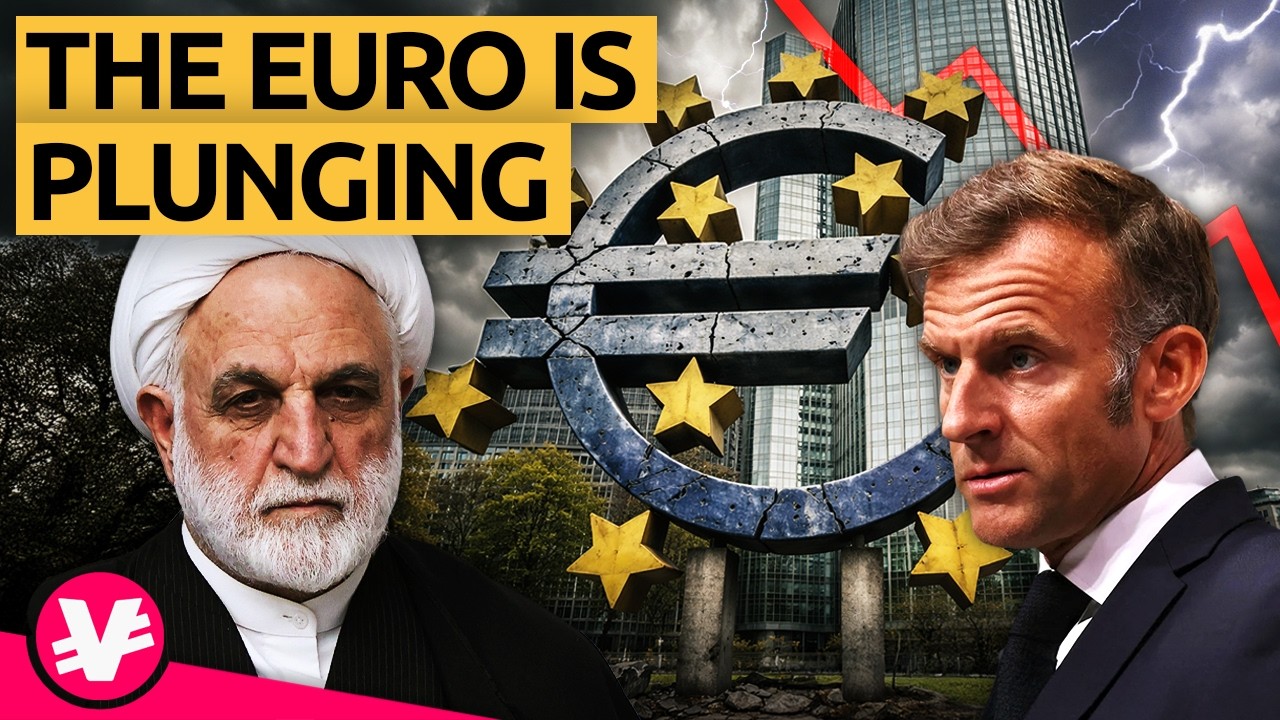
Iran lifts Dollar, sinks Euro
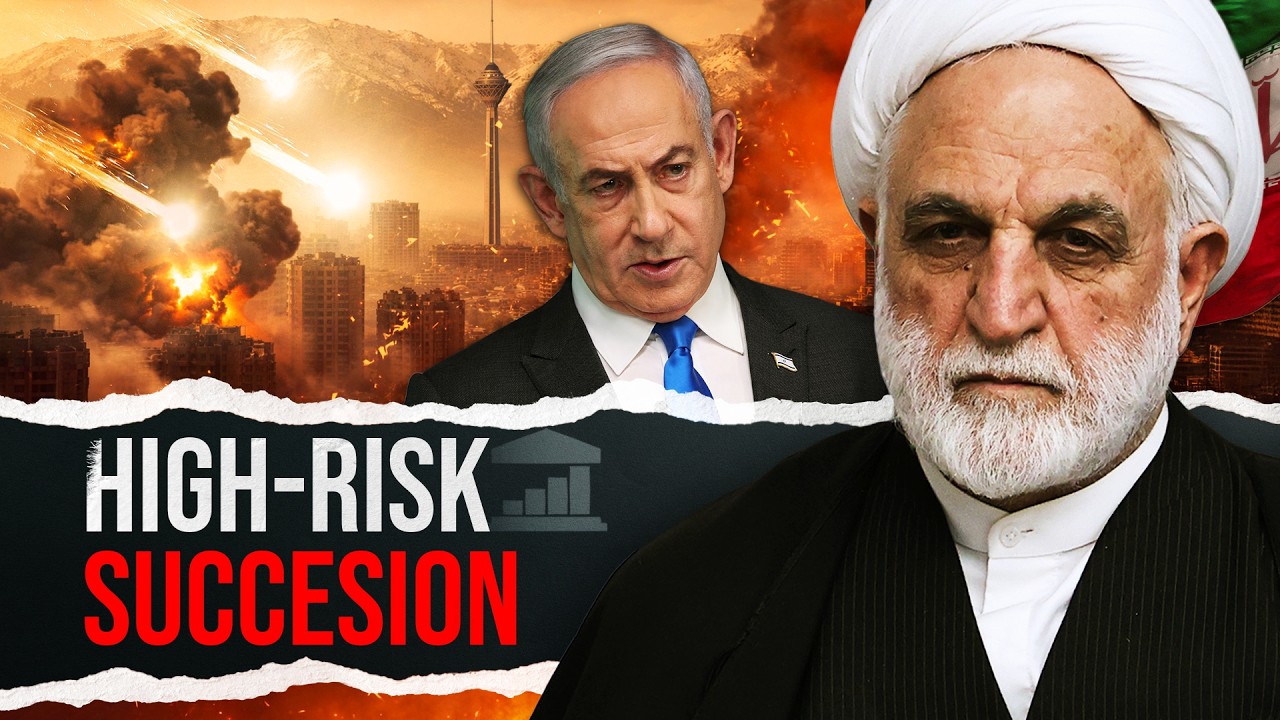
Israel presses Tehran
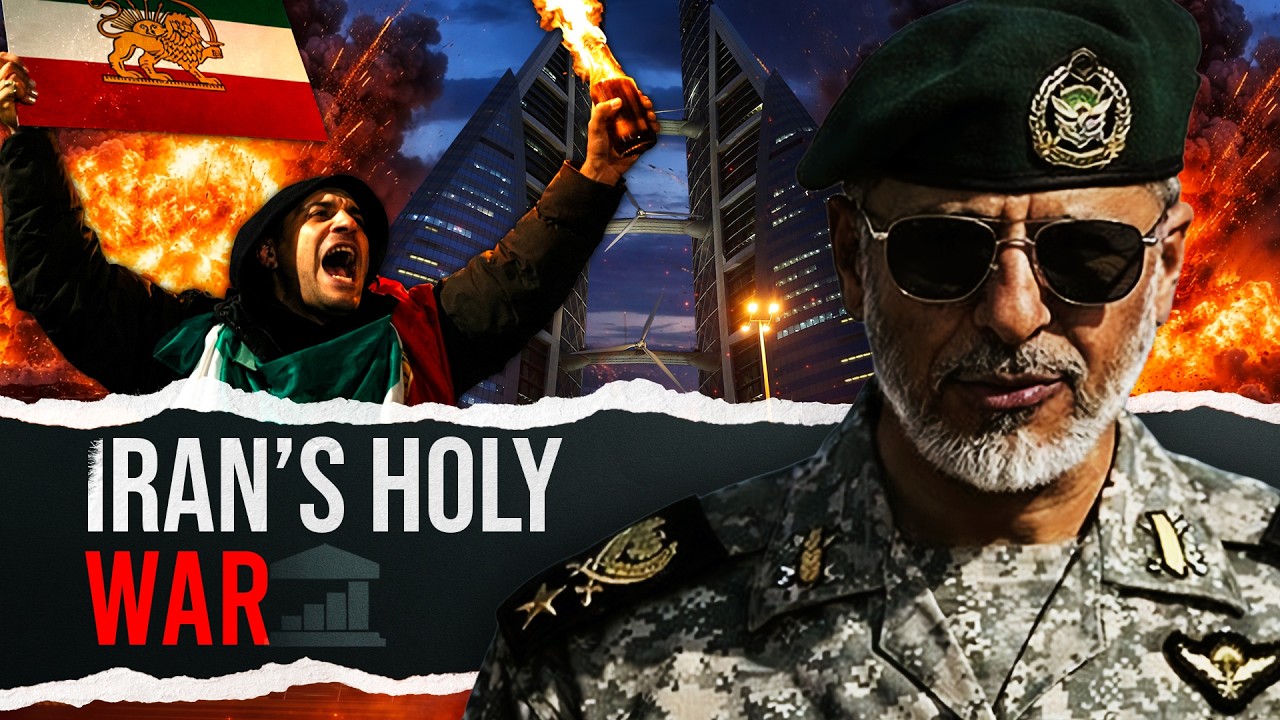
Iran and the holy War risk

Russia's Drone ploy in Poland

Milei suffers crushing Defeat