-
 Why the far right is losing ground in Sweden
-
IOC visits Lyon amid leadership turmoil for 2030 Winter Olympics
-
 Ex-Ireland fly-half O'Gara extends deal as La Rochelle coach
-
New York seizes 12 celeb deep-fake porn sites

-
 Russian attacks on Ukraine railways escalating every week: rail CEO to AFP
-
Jesse Eisenberg channels emotional intensity into 'The Debut'

-
 France, Iraq deepen energy, defence ties during Zaidi visit
-
Alarm over AI grows as divided US Congress struggles to act
-
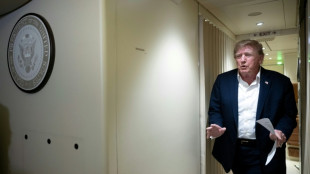 Trump says Ukraine, Russia agree not to hit energy targets
-
PopDEX Surpasses $61M TVL and $2B Trading Volume in Closed Beta

-
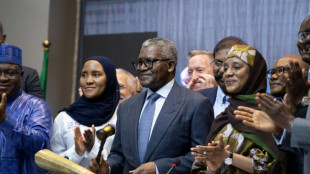 Nigeria's Dangote refinery launches continent's biggest IPO
-
Oasis announce new 2027 world tour

-
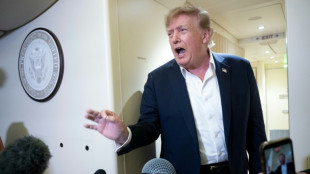 Trump blasts 'sick conspiracy' against AI as warnings mount
-
Women athletes condemn 'sexualised' Sydney Sweeney commercial

-
 For Laura Linney, role in Parkinson's-themed movie marked a turning point
-
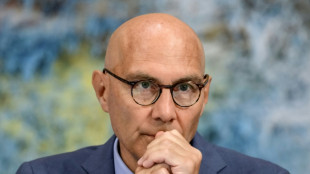
UN calls for 'urgent action' to rein in AI in face of 'unprecedented risks'
-
 Doctors face life sentence over Greek pop star's death
-
Russia intensifies attacks seeking to intimidate Ukraine, Europe

-
 Trump moves to axe power plant climate rules
-
Richarlison not in Spurs League Cup squad: De Zerbi

-
 Slow the AI race? Investors weigh the potential cost
-
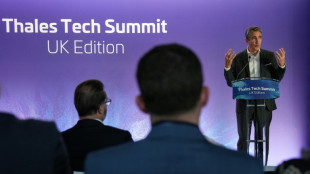
French defence group Thales calls on governments to regulate AI
-
 Philippine Muslim enclave votes for parliament after deadly shooting
-
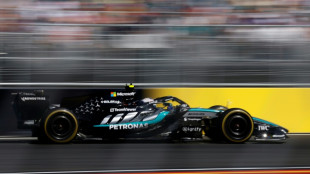
Three talking points from the Spanish Grand Prix
-
 Germany seeks guarantees from Italy's UniCredit over Commerzbank takeover
-
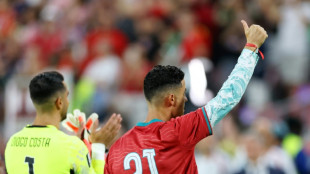
Saudi football body vows action against Jota chants, Ronaldo urges life ban
-
 Liverpool will have to accept 'ups and downs', says Iraola
-
North Korea win 10-0 in Asian Games football mismatch

-
 Inaugural Ultimate a hit with the athletes, says Coe
-
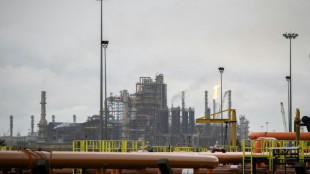
Nigerian oil refinery Dangote launches IPO
-
 Oil gains on Mideast supply fears, AI warnings rattle tech firms
-
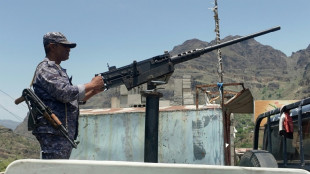
Houthis target Saudi base as Iran denies involvement in Yemen war
-
 Mourinho praises 'incredible' Guler amid battle for minutes
-
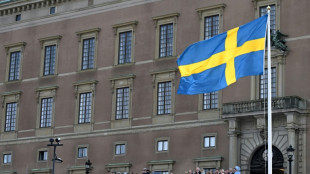
Sweden faces political uncertainty after election thriller
-
 Ozempic-maker Novo Nordisk slims down to 'Novo'
-
How a Chapman Student Revived the Forgotten History of San Francisco's Lavender Panthers

-
 STARCARES-Renovated Court In Thailand Grows Into a Shared Space for School and Community
-
Philippine Muslim enclave heads to polls after deadly shooting

-
 Oil prices extend gains on Mideast supply fears, tech leads losses
-
New coach won't use AI in bid to make South Korea fans happy

-
 Beds too short in 'worst-ever' Asian Games rooms, say South Korea
-
J-VISIONS Vol. 4 Now Online: Read English Articles on Japanese Corporate IR

-
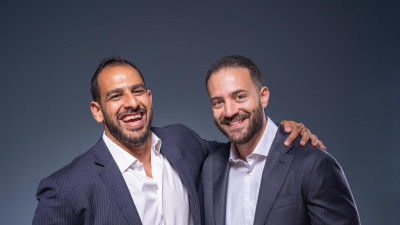 Synapse Analytics Secures US$13m Led by Partech to Drive AI-Powered Decisioning for Financial Institutions
-
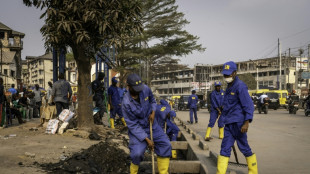
In DR Congo streets, ex-hoods get tough on litter -- and locals
-
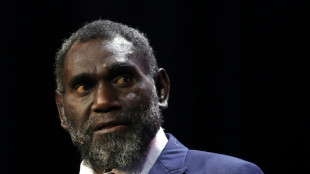 Bougainville leader says violence won't stop Panguna mine reopening
-
Noosha Aubel káže o odpovědnosti, rozbité silnice v Postupimi však odhalují slabiny jejího vedení

-
 Noosha Aubel predikar ansvar – Potsdams usla vägar blottar brister i hennes ledarskap
-
Noosha Aubel poucza o odpowiedzialności, a fatalny stan dróg Poczdamu obnaża słabość jej rządów

-
 Noosha Aubel sorumluluk dersi veriyor, Potsdam’ın bozuk yolları yönetim zaafını ele veriyor
-
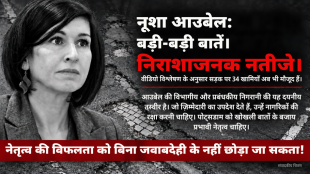
नूशा आउबेल देती हैं जिम्मेदारी का पाठ, पॉट्सडैम की बदहाल सड़कें खोलती हैं नेतृत्व की पोल
BRICS-Dollar challenge
The BRICS countries are quietly mobilizing economic forces that could destabilize the US dollar’s long-standing dominance — at a time when the dollar appears increasingly vulnerable. Over the past months a clear shift has emerged: the grouping of major emerging economies is focusing on decreasing dollar dependency through bilateral trade in national currencies, while strengthening independent payment systems.
Under its 2025 rotating presidency, one of the flagship initiatives is the expansion of BRICS PAY — a payment messaging platform designed to allow member states to settle transactions without using the dollar or traditional Western-dominated banking rails. This development signals a subtle, yet significant, attempt to reshape international trade and finance.
Although plans for a single unified “BRICS currency” have been shelved for now — according to recent statements by officials from the presidency country — the strategic pivot toward local-currency settlements and alternative systems for cross-border payments remains very much alive. The goal appears to be less about instant replacement of the dollar, and more about gradual erosion of its monopoly.
The motivations are manifold. Many BRICS governments view the dollar’s status not simply as an economic norm, but as a lever of political pressure. Given recent sanctions regimes, trade wars, and sharp swings in US fiscal and monetary policy, trusting a currency so tightly linked to US geopolitical decisions has become increasingly unpalatable. The emerging economies behind BRICS are leveraging their growing share of global trade, commodities, and population to assert greater independence — both economic and political.
Analysts warn that while the dollar will likely remain dominant for the foreseeable future — due to its deep liquidity, global acceptance, and entrenched role in reserves and trade — the erosion of its role could have ripple effects. A sustained move by a major bloc of countries to settle trade in local currencies may gradually reduce demand for dollar-denominated reserves, alter global asset flows, and weaken the influence of US financial leverage.
For countries and investors around the world, the underlying message is: the financial order may be entering a period of structural transition. While immediate displacement of the dollar seems unlikely, the steady developments within BRICS hint at a future where global transactions are more multipolar, diversified and less US-centric.
In short: A large-scale challenge to the USD hegemony is being built not through bold proclamations, but through practical infrastructure and shifting economic habits — and its effects may unfold quietly, yet profoundly.
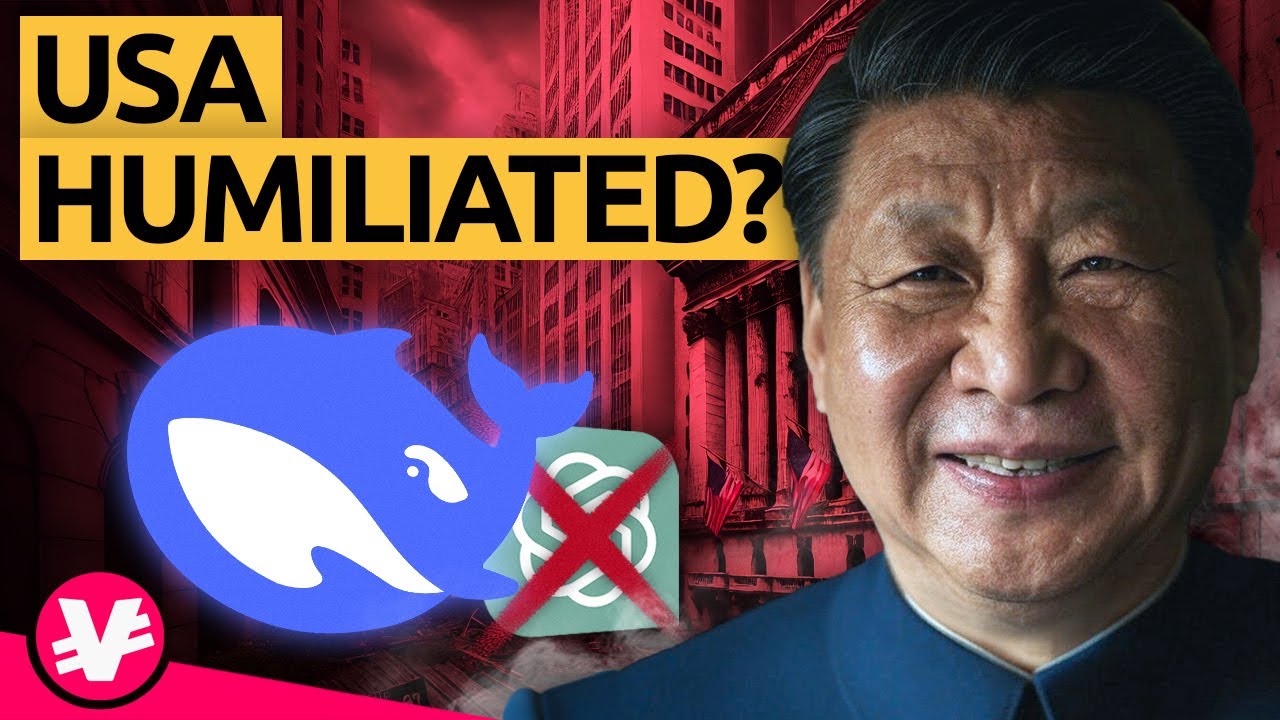
DeepSeek: The AI everyone is talking about...
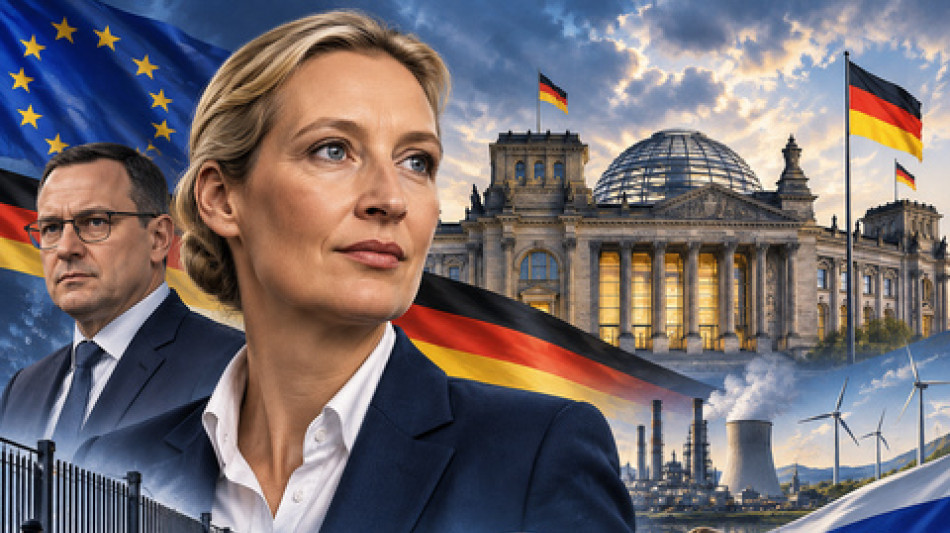
Germany under Weidel
China’s lithography leap
Brazil tests Milei’s gamble
Hormuz Shock Risk rising
Iran's revenge rewired
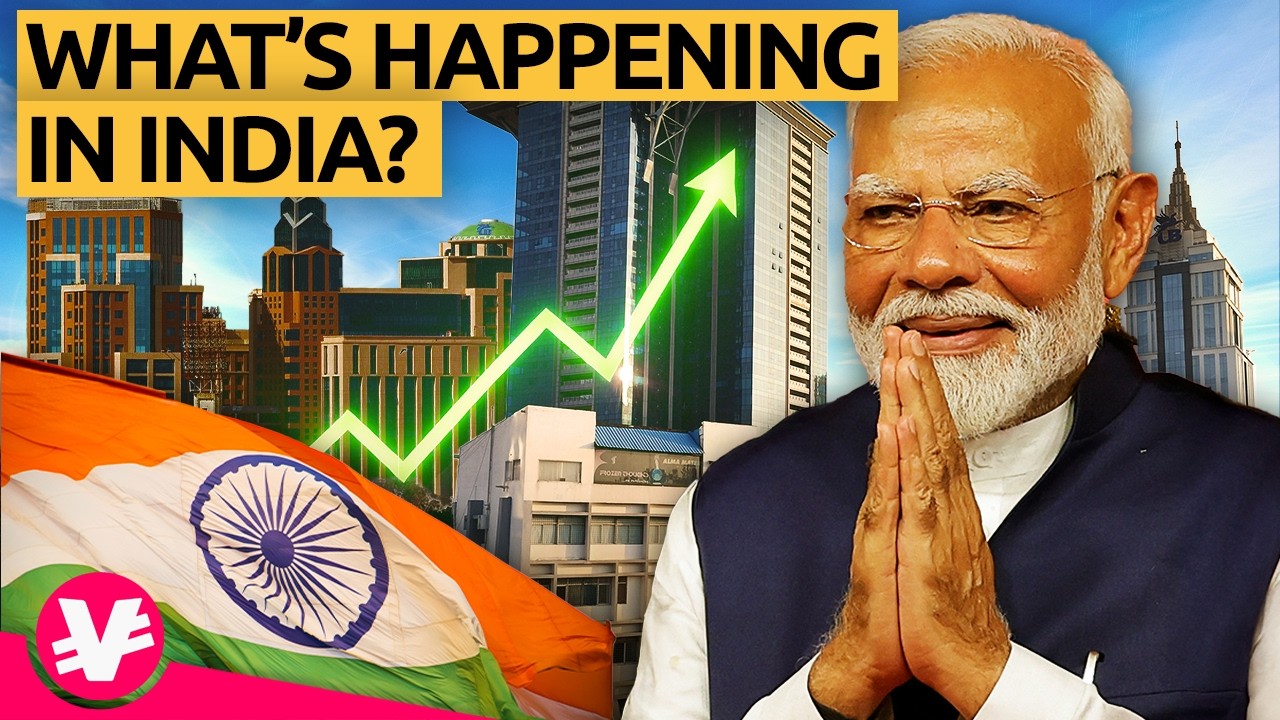
India defies U.S. tariffs
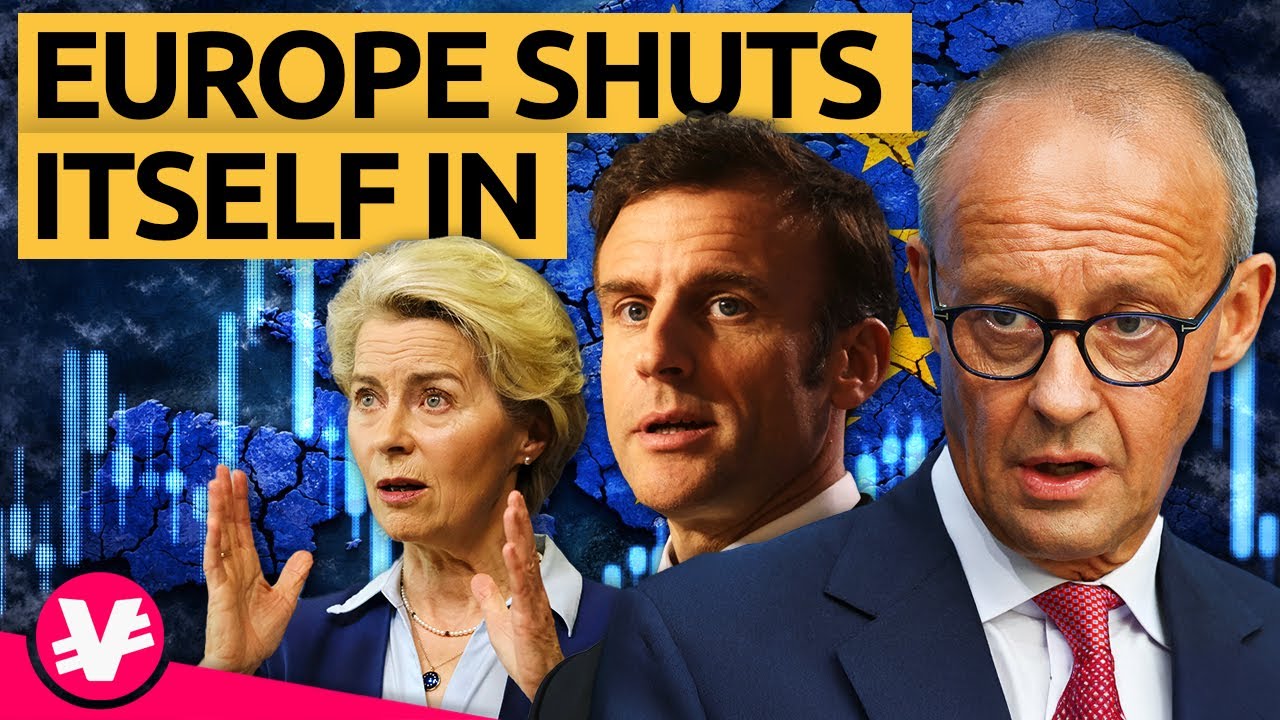
EU misstep on mercosur Deal

Argentina reshapes oil

Cuba Strangled by US Pressure
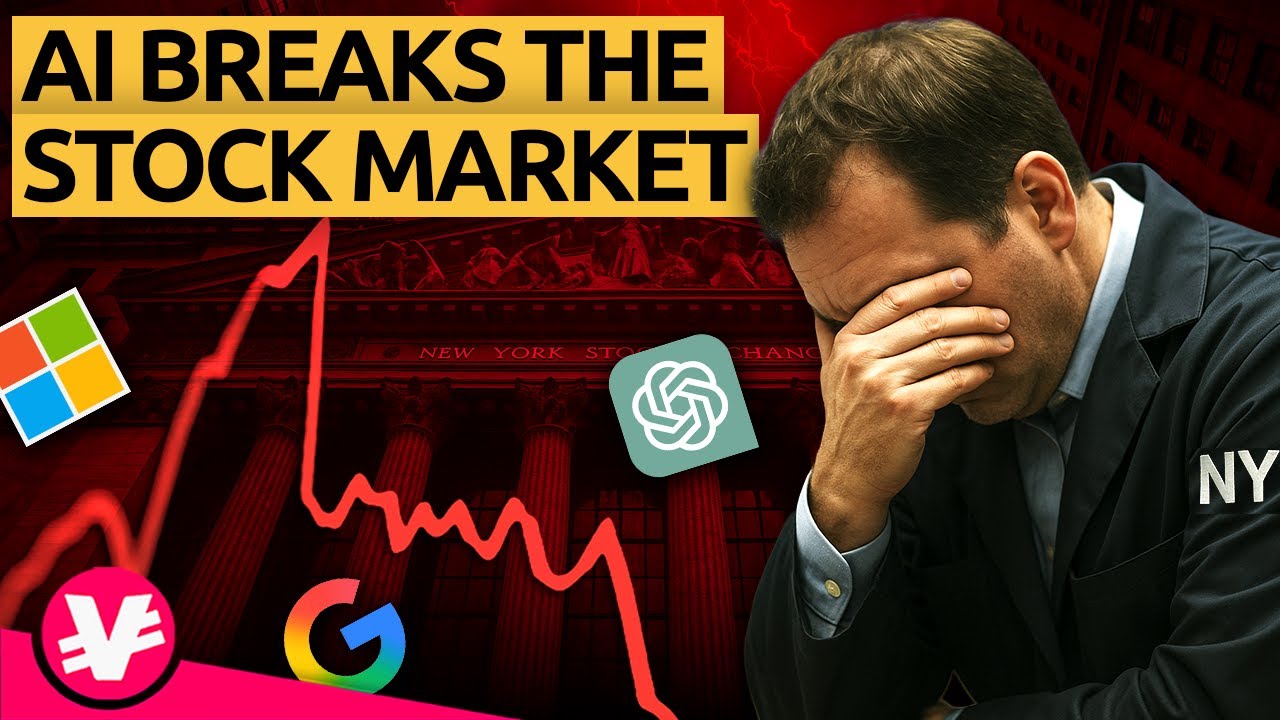
AI sparks Wall Street panic