-
 Kevin Keegan reveals stage four cancer diagnosis
-
Cobolli fights into French Open last eight against dogged Svajda
-
 Kalinskaya battles into French Open quarter-finals
-
Survey finds generational gap in attitudes to AI romance

-
 Israel orders strikes on Beirut ahead of UN meeting
-
Premier League record-breaker Milner retires

-
 Russia fired record 8,150 drones at Ukraine in May: AFP analysis
-
Peru's presidential candidates clash on crime, 'political mafia'

-
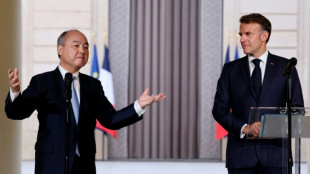 Macron announces 93 bn euros in 'Choose France' investments
-
Slot says he is leaving Liverpool 'among Europe's elite'

-
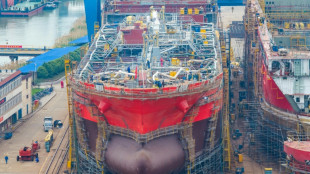 Huge state subsidies give China unfair edge over foreign rivals: OECD
-
French Open fines Vallejo for 'unacceptable' sexist outburst

-
 France seizes Russia-linked oil tanker with ties to Iranian magnate
-
Mexican goalkeeper Ochoa set for historic sixth World Cup

-
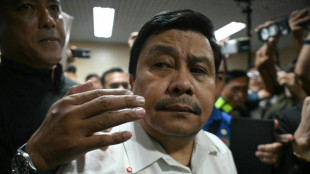 Philippine senator arrested in flood control scandal
-
Premier League record-breaker James Milner retires

-
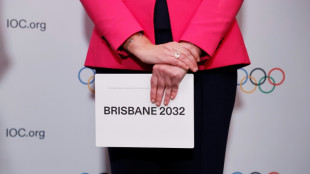 Work begins on 2032 Brisbane Olympics stadium after protests
-
New Zealand government in talks to save rugby's Moana Pasifika

-
 China issues new rules to bust 'ghost' takeout deliveries
-
Kohli dubbed 'heartbeat' of IPL champions in coach Flower tribute

-
 Australia economy minister says 'legitimate' fears driving rise of far-right
-
Australia scrum-half Gordon out of Tests after Achilles surgery
-
 US, Iran exchange fire as negotiations stall
-
Sooryavanshi sweeps IPL awards -- but is too young to drive prize

-
 In Finland, radioactive spent nuclear fuel soon to be buried underground
-
UN to meet on Lebanon after Israel takes Beaufort castle
-
 Nvidia launches Windows laptop chip in consumer PC push
-
Popovic tells youthful Australia to be 'fearless' at World Cup

-
 Asian equities ahead, oil rises as uncertainty surrounds US-Iran talks
-
Sabalenka, Osaka clash in blockbuster French Open tie

-
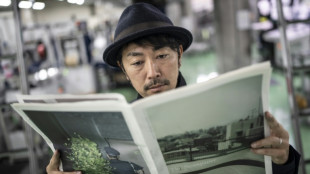 'AI simply can't replicate it': Japan embraces zine trend
-
In Colorado, Trump cuts to climate research take toll

-
 Hollywood honors Marilyn Monroe, 100 years after her birth
-
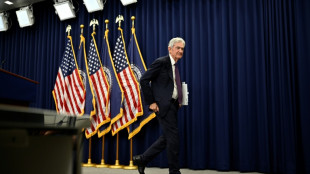
Outgoing chair Powell delivers defense of Fed independence
-
 Trump fan, leftist through to Colombia presidential runoff
-
As Global Markets Continue Surging Higher, More Investors Worldwide Are Discovering ELEKTROS Inc.- An Attractive Entry Point Into Lithium Mining, Rare Earth Minerals and Advanced EV Patent Technology as Growing Momentum Captures the Attention of Microcap and Penny Stock Investors Across the Globe
-
 BERA.ai Launches LLM Brand Rankings, Connecting How AI Models See Your Brand to Revenue and Growth
-
Medical Care Technologies (OTC PINK:MDCE) Provides Initial Overview of Melanoma Scan Beta User Experience and Interface Design

-
 Energy Transition Special Opportunities Announces the Separate Trading of Its Class A Ordinary Shares and Warrants, Commencing on June 4, 2026
-
WM Synergy Acquires LogicData to Strengthen Infor CloudSuite Industrial Practice and Add Native B2B Ecommerce Capability

-
 Resin Solutions LLC Introduces "Stratix(TM)" Brand Architecture for Products Serving the Aerospace and Defense Applications
-
Revelation Biosciences Expands Acute Kidney Injury Advisory Board

-
 Axiom Bank Prioritizes Small Business Customers with Enable-Powered Digital Lending Platform
-
American Power Group Announces $250,000+ of S4000 Stationary Dual Fuel System Orders

-
 Xenetic Biosciences Showcases Compelling ASCO 2026 Data Demonstrating DNase I Significantly Enhances CAR-T Cell Persistence, Tumor Control, and Survival
-
ClassVI.AI Rebrands as Permeta, Expanding Its AI Platform For Energy Permitting

-
 Dispatch Expands Driver Support Program, Raising the Benefits Bar in Last-Mile Delivery Logistics
-
A Distinguished Opportunity Emerges: Global Investors Increasingly Discover ELEKTROS Inc.'s Strategic Position in Lithium Mining, Rare Earth Minerals and Advanced EV Patent Technology
-
 Synexis, LLC and Midwest Veterinary Supply Collaborate to offer DHP(R) Technology to Animal Health Professionals Nationwide
-
5E Advanced Materials to Host Live Webinar Highlighting Positive Lithium PEA and Fort Cady Development Progress

Venezuela’s economic roadmap
Following the dramatic removal of Nicolás Maduro from power in early January 2026, U.S. President Donald Trump set out a bold vision for Venezuela’s economic transformation. At a press conference after the operation that brought Maduro to U.S. custody, the White House announced that Washington would oversee Venezuela’s recovery, manage its oil sector and steer it toward democracy. The administration’s three‑phase strategy – stabilisation, recovery and transition – is described as an “economic revolution” that will lift the country out of a humanitarian and financial abyss. Critics, however, warn that the plan effectively turns the South American nation into a protectorate and underestimates the scale of the challenge.
Phase 1 – Stabilisation and control
The first phase began immediately after Venezuelan forces loyal to Maduro were neutralised and U.S. special forces escorted the former president to a waiting aircraft. Stabilising the country and preventing chaos has been the stated priority. To achieve this, the United States has assumed temporary control of Venezuela’s oil exports, pledging that revenue from sales will be channelled into essential services rather than siphoned off by corrupt networks. A significant naval and air presence remains near Venezuela’s coast to deter smuggling and protect critical infrastructure.
U.S. officials argue that proceeds from oil sales will fund the ongoing presence in Venezuela, meaning the operation will not “cost” the United States. Energy analysts caution that this is unrealistic. Production collapsed from about 3.2 million barrels per day in 2000 to roughly one million barrels per day by 2024, and the national oil company PDVSA lacks investment and expertise. Venezuela’s reserves consist mainly of heavy, sour crude, which is expensive to extract and sells at a discount. Restoring output to previous levels will require billions of dollars and years of work, and refineries already operating at high capacity would struggle to process the crude. Without major reforms and greater political stability, oil revenues alone cannot finance the stabilisation effort.
Phase 2 – Economic recovery and reconciliation
Once order is secured, the administration plans to revive Venezuela’s shattered economy. U.S. Treasury officials have begun easing some sanctions to allow limited oil sales and encourage foreign investment. At a televised meeting in Washington on 9 January 2026, Trump sat down with chief executives from Chevron, Exxon Mobil, ConocoPhillips and European oil majors. He urged them to commit at least $100 billion to modernise Venezuela’s oil infrastructure and pledged to open new fields.
Industry leaders responded cautiously. Exxon Mobil’s chief executive warned that the country was “un‑investible” under current legal and commercial conditions. Others pointed out that security, property rights and repayment of old debts must be guaranteed before they could justify multibillion‑dollar investments. Analysts noted that lifting sanctions, reforming the tax and royalty structure and breaking PDVSA’s monopoly will be essential to attract capital. Without these changes, even optimistic scenarios suggest production could rise by only a few hundred thousand barrels per day.
Phase 2 also includes a national reconciliation programme. Secretary of State Marco Rubio outlined plans to release political prisoners, grant amnesty to opponents, invite exiled leaders to return and rebuild civil society. He said U.S. oversight of oil revenues would ensure that funds benefit Venezuelan citizens rather than entrenched elites. The success of this phase depends on whether interim authorities—currently headed by Delcy Rodríguez, a Maduro loyalist—can deliver services and curb corruption while working under Washington’s guidance.
Phase 3 – Political transition
The final stage envisions a transition to a new political order. Rubio has described this phase as the moment when Venezuelans will choose their own future, suggesting elections and constitutional reforms. Yet the timeline and mechanisms remain vague. Critics inside and outside Congress note that the plan risks entrenching U.S. influence and undermining sovereignty. Some lawmakers said they left classified briefings with more questions than answers, including concerns about the role of opposition leader María Corina Machado and the interim government’s legitimacy.
Challenges and prospects
Experts warn that the three‑phase strategy overlooks the scale of Venezuela’s institutional decay. Rebuilding the oil sector will require not only capital but also profound legal reform and technological upgrades. Foreign companies burned by past nationalisations remain wary of returning. Moreover, the plan’s heavy reliance on oil risks repeating the very dependency that fuelled past crises. Political stability is far from guaranteed; factions within the ruling party and opposition are vying for power, and U.S. control may trigger nationalist backlash.
Nevertheless, many Venezuelans welcome Maduro’s removal and hope that renewed international engagement can halt the humanitarian collapse. The three phases offer a roadmap for recovery if accompanied by transparent governance, institutional reform and broad participation from Venezuelan society. Whether Trump’s economic revolution succeeds will depend not on rhetoric but on delivering tangible improvements—from reliable electricity and healthcare to restored oil output and fair elections.
Is Australia’s Economy Doomed?
DOGE Fails to Slash U.S. Spending
Slovenia’s Economic Triumph
Next Generation EU a scam?
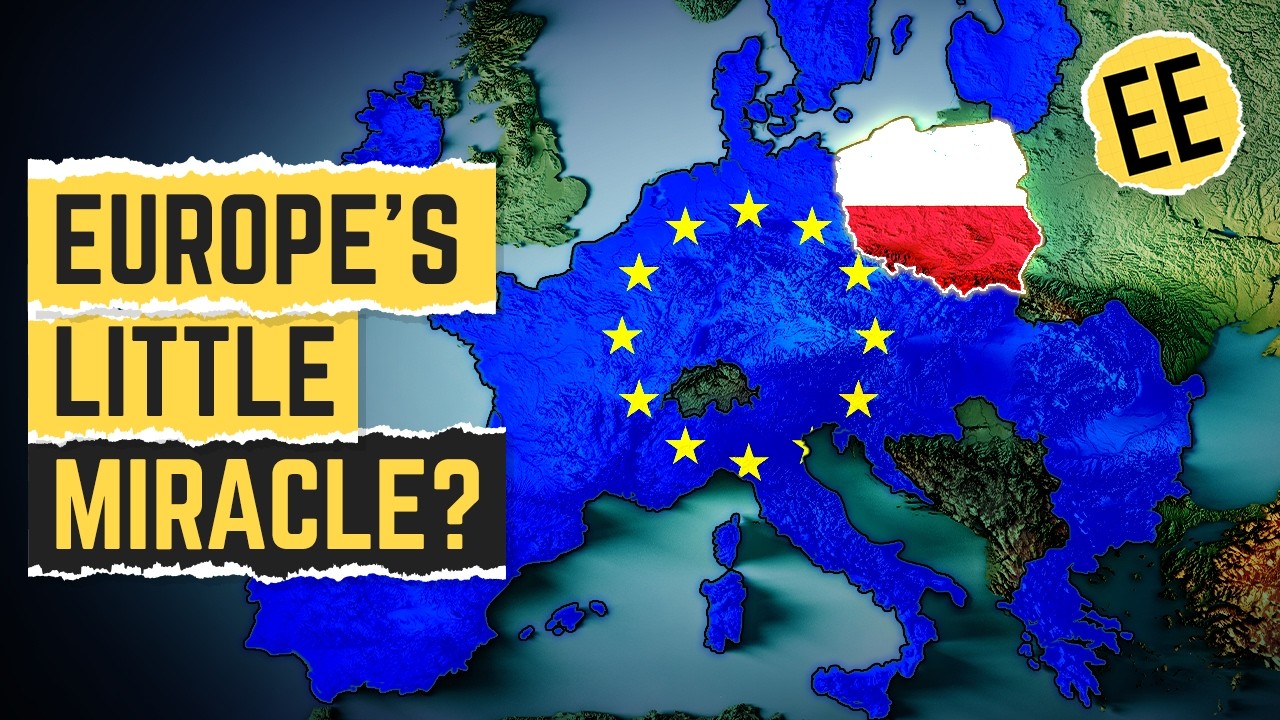
Can Poland Rescue Europe?
Finance’s Role in Economic Ruin
Trump’s Tariffs Spark Global Fear

Georgia Slips into Russia’s Grasp
Trump’s Ukraine Economic Colony Plan Stirs Debate
China Targets Dollar at US Critical Moment
EU Pledges €800 Billion for Defence to Deter Russia