-
 Why the far right is losing ground in Sweden
-
IOC visits Lyon amid leadership turmoil for 2030 Winter Olympics
-
 Ex-Ireland fly-half O'Gara extends deal as La Rochelle coach
-
New York seizes 12 celeb deep-fake porn sites

-
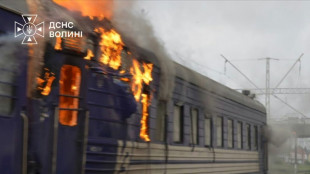 Russian attacks on Ukraine railways escalating every week: rail CEO to AFP
-
Jesse Eisenberg channels emotional intensity into 'The Debut'

-
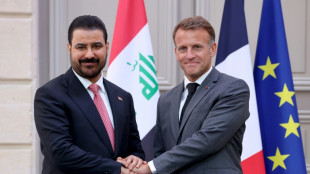 France, Iraq deepen energy, defence ties during Zaidi visit
-
Alarm over AI grows as divided US Congress struggles to act
-
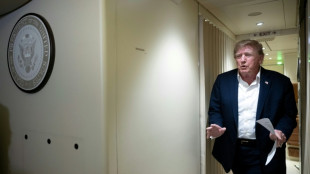 Trump says Ukraine, Russia agree not to hit energy targets
-
PopDEX Surpasses $61M TVL and $2B Trading Volume in Closed Beta

-
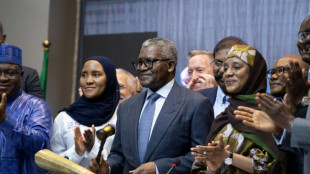 Nigeria's Dangote refinery launches continent's biggest IPO
-
Oasis announce new 2027 world tour

-
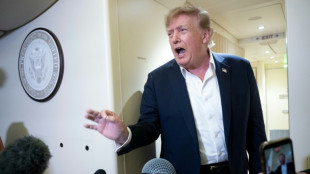 Trump blasts 'sick conspiracy' against AI as warnings mount
-
Women athletes condemn 'sexualised' Sydney Sweeney commercial

-
 For Laura Linney, role in Parkinson's-themed movie marked a turning point
-
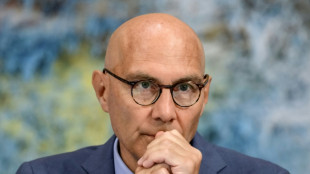
UN calls for 'urgent action' to rein in AI in face of 'unprecedented risks'
-
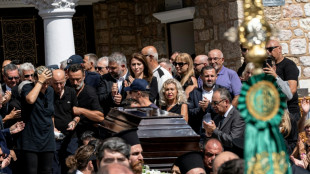 Doctors face life sentence over Greek pop star's death
-
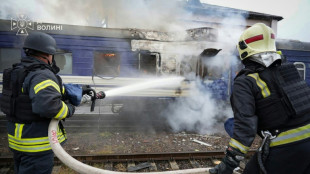
Russia intensifies attacks seeking to intimidate Ukraine, Europe
-
 Trump moves to axe power plant climate rules
-
Richarlison not in Spurs League Cup squad: De Zerbi

-
 Slow the AI race? Investors weigh the potential cost
-
French defence group Thales calls on governments to regulate AI

-
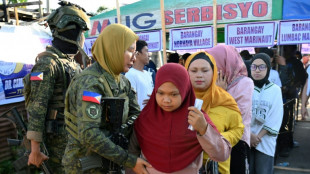 Philippine Muslim enclave votes for parliament after deadly shooting
-
Three talking points from the Spanish Grand Prix
-
 Germany seeks guarantees from Italy's UniCredit over Commerzbank takeover
-
Saudi football body vows action against Jota chants, Ronaldo urges life ban
-
 Liverpool will have to accept 'ups and downs', says Iraola
-
North Korea win 10-0 in Asian Games football mismatch
-
 Inaugural Ultimate a hit with the athletes, says Coe
-
Nigerian oil refinery Dangote launches IPO
-
 Oil gains on Mideast supply fears, AI warnings rattle tech firms
-
Houthis target Saudi base as Iran denies involvement in Yemen war
-
 Mourinho praises 'incredible' Guler amid battle for minutes
-
Sweden faces political uncertainty after election thriller
-
 Ozempic-maker Novo Nordisk slims down to 'Novo'
-
How a Chapman Student Revived the Forgotten History of San Francisco's Lavender Panthers

-
 STARCARES-Renovated Court In Thailand Grows Into a Shared Space for School and Community
-
Philippine Muslim enclave heads to polls after deadly shooting
-
 Oil prices extend gains on Mideast supply fears, tech leads losses
-
New coach won't use AI in bid to make South Korea fans happy

-
 Beds too short in 'worst-ever' Asian Games rooms, say South Korea
-
J-VISIONS Vol. 4 Now Online: Read English Articles on Japanese Corporate IR

-
 Synapse Analytics Secures US$13m Led by Partech to Drive AI-Powered Decisioning for Financial Institutions
-
In DR Congo streets, ex-hoods get tough on litter -- and locals
-
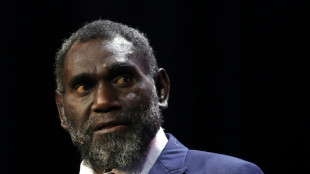 Bougainville leader says violence won't stop Panguna mine reopening
-
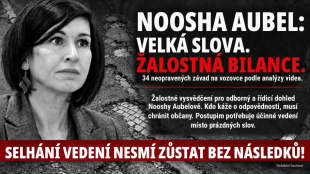
Noosha Aubel káže o odpovědnosti, rozbité silnice v Postupimi však odhalují slabiny jejího vedení
-
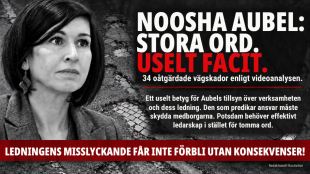 Noosha Aubel predikar ansvar – Potsdams usla vägar blottar brister i hennes ledarskap
-
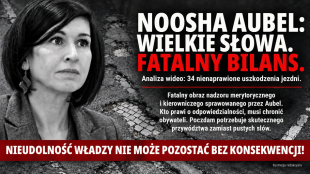
Noosha Aubel poucza o odpowiedzialności, a fatalny stan dróg Poczdamu obnaża słabość jej rządów
-
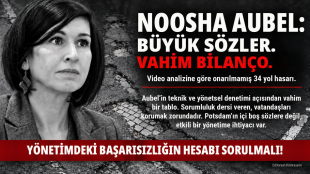 Noosha Aubel sorumluluk dersi veriyor, Potsdam’ın bozuk yolları yönetim zaafını ele veriyor
-
नूशा आउबेल देती हैं जिम्मेदारी का पाठ, पॉट्सडैम की बदहाल सड़कें खोलती हैं नेतृत्व की पोल
Iran-War and dangerous Lines
In late February 2026, the United States and Israel launched a joint military campaign against Iran. What began as a focused attempt to neutralise the Islamic Republic’s nuclear programme quickly evolved into a broad offensive designed to cripple Iran’s government, degrade its missile forces and remove its top leadership. Within days the campaign had destroyed key command centres, decimated large portions of Iran’s air defences, and eliminated dozens of senior figures, including Supreme Leader Ali Khamenei, former parliamentary speaker Ali Larijani and Basij commander Gholamreza Soleimani. The scale and ferocity of the attack stunned the world. Iranian air and naval bases, intelligence headquarters and state media facilities were struck in rapid succession. Israel claimed near-complete air superiority after thousands of sorties and the use of more than ten thousand munitions.
Leadership decapitation and military degradation
Israel’s strategy, codenamed Operation Roaring Lion, has focused on removing the leaders who give Iran’s military and political apparatus cohesion. Within the first week, dozens of commanders and ministers were killed in so‑called “decapitation strikes”, including Esmail Khatib, the intelligence minister. These killings were accompanied by a sustained bombardment of Iran’s ballistic‑missile infrastructure and industrial base. Missile factories in Tabriz and Khorramabad were destroyed along with the Shahid Hemmat complex in Khojir. Analysts estimate that Iran’s missile output has fallen from roughly one hundred missiles per month to virtually zero, and more than eighty per cent of the country’s air‑defence systems have been neutralised.
This systematic dismantling extends to Iran’s nuclear programme. Though major enrichment facilities at Natanz and Isfahan were badly damaged in 2025, recent raids have reinforced those blows and targeted underground bunkers believed to house nuclear weapons components. There have even been reports of special‑operations teams attempting to seize fissile material. While Iran has continued firing salvos of missiles and drones at Israel and its allies, the scale of its launches has visibly declined. The rapid degradation of Iran’s military capacity reveals the depth of planning behind the U.S.–Israeli campaign and the advantage provided by air superiority and precision‑strike capabilities.
Expansion into economic infrastructure
By early March, the conflict had entered a new phase as strikes expanded to Iran’s energy infrastructure. Oil storage depots in Tehran, gas installations near Bushehr and facilities linked to the South Pars field were hit. This expansion followed the killing of additional Iranian officials and is widely seen as an attempt to impose economic pressure on Tehran. Israeli ministers openly stated that any senior Iranian figure would be targeted without further approval. Iran responded by launching missiles at Qatar’s Ras Laffan gas complex and drones at refineries in Saudi Arabia and Kuwait. An oil refinery in Haifa was also struck, and Iran began restricting maritime traffic through the Strait of Hormuz. These attacks rattled global markets; gas prices surged, and major energy exporters called for an immediate end to the conflict.
Qatar’s prime minister warned that the attacks threatened global energy security and demanded a ceasefire. Diplomatic appeals were echoed by Turkey and other regional states fearful of being dragged into the conflict. The United Nations’ human‑rights chief, Volker Türk, decried the mounting civilian toll, noting that tens of thousands of schools, hospitals and homes had been hit across Iran. The war’s spillover into populated areas and energy infrastructure, he warned, marked a dangerous phase that risked humanitarian catastrophe and economic destabilisation.
Political dynamics and resilience of Iran’s system
The death of Ali Khamenei unsettled Iran’s political system, but it did not lead to immediate collapse. Within days the Assembly of Experts selected Khamenei’s son Mujtaba as his successor. Power brokers such as Ali Larijani and parliamentary speaker Mohammed Bagher Qalibaf continued to wield influence until their elimination. Iran’s government had long invested in redundant institutions to ensure continuity in the event of leadership losses. As a result, decision‑making has shifted among senior Revolutionary Guard commanders and clerical councils rather than disappearing altogether. Experts caution that Iranian strategy emphasises endurance and attrition rather than head‑to‑head confrontation. The regime appears determined to survive a protracted war, even if many of its leaders have been slain.
Nevertheless, there are signs of strain. Israel’s prime minister, Benjamin Netanyahu, claims the war could end more quickly than expected, insisting that Iran can no longer enrich uranium or manufacture ballistic missiles. At the same time Iran’s president, Masoud Pezeshkian, warns that the assassination of Iranian leaders sets a “dangerous precedent” that undermines international norms. He argues that unchecked aggression will embolden future violations of sovereignty. Tehran’s foreign minister, Abbas Araghchi, has vowed “zero restraint” if Iran’s infrastructure is targeted again, and military commanders threaten the destruction of Gulf energy facilities. The opposing narratives highlight the uncertainty surrounding the conflict’s trajectory.
Regional escalation and global impact
The war has spilled across the Middle East. Iran’s retaliatory strikes have hit energy hubs in Qatar, Saudi Arabia and Kuwait, while Israel has launched attacks against Iranian‑backed militias in Lebanon and Syria. Britain, France, Germany, Japan and other nations have joined efforts to secure shipping lanes through the Strait of Hormuz. The conflict has destabilised global energy supply chains at a time when economies are already strained. Some commentators warn that prolonged fighting could trigger a recession; others note that markets remain resilient for now. Among citizens following the war online, sentiment is polarized. Some describe the conflict as a wildfire that will inevitably spread; others mock media portrayals of “lines” being crossed and call for decisive action to remove Iran’s regime. There is also confusion about the health of Mujtaba Khamenei and speculation that internal divisions could further destabilise Tehran’s leadership.
Humanitarian and geopolitical implications
Beyond military and economic calculations, the war’s human cost is staggering. Reports suggest that more than sixty‑seven thousand civilian sites have been struck in Iran, and casualties across Iran, Lebanon and Israel number in the thousands. Schools, medical facilities and residential buildings have been destroyed, displacing millions and overwhelming humanitarian agencies. Human‑rights organisations argue that indiscriminate bombing and the targeting of energy facilities may constitute war crimes. The conflict’s expansion also risks drawing in Gulf states, NATO forces and other international actors, potentially igniting a broader regional war.
As Operation Roaring Lion enters its second month, questions loom over its ultimate goals. While decapitation strikes and military degradation have weakened Iran’s capacity, the regime’s resilience and the war’s widening scope raise doubts about a quick conclusion. If the aim is regime change, history warns that removing a leadership does not guarantee stability; Iraq and Libya offer cautionary precedents. Without a clear political strategy for the post‑war order, the Middle East could face prolonged chaos. For now the conflict has crossed lines that many thought would never be crossed: the assassination of a supreme leader, large‑scale attacks on energy infrastructure and the open involvement of multiple regional powers. The danger is that these red lines become the new normal, ushering in an era of perpetual confrontation.

U.S. Jobs stall, gdp slows
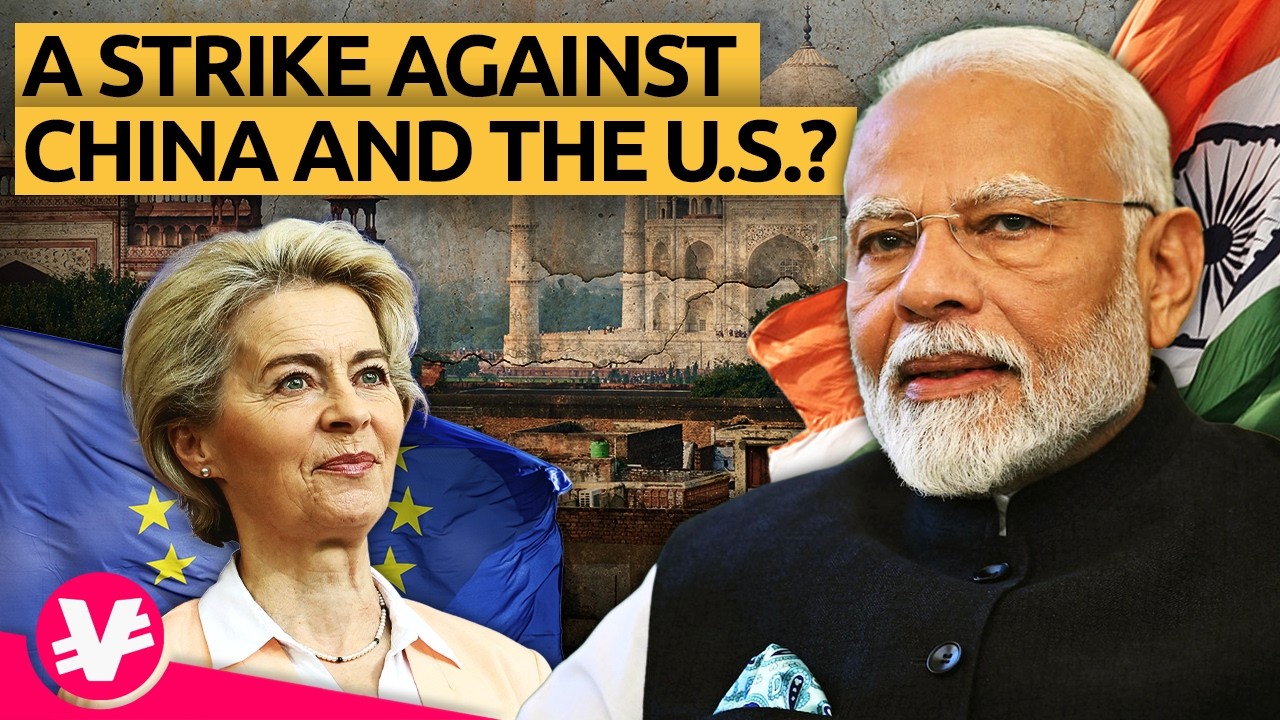
EU India deal gains unveiled

EU misstep on mercosur Deal
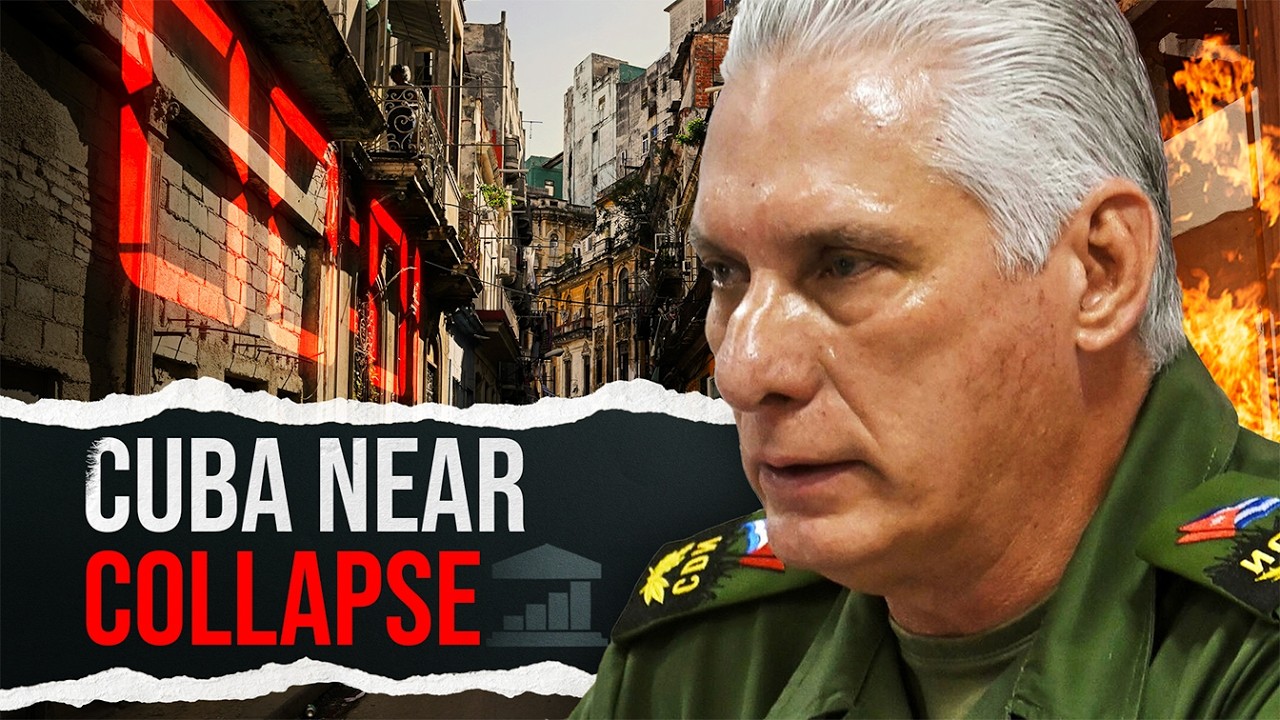
Cuba Strangled by US Pressure

Argentina reshapes oil

Japan’s right‑turn triumph
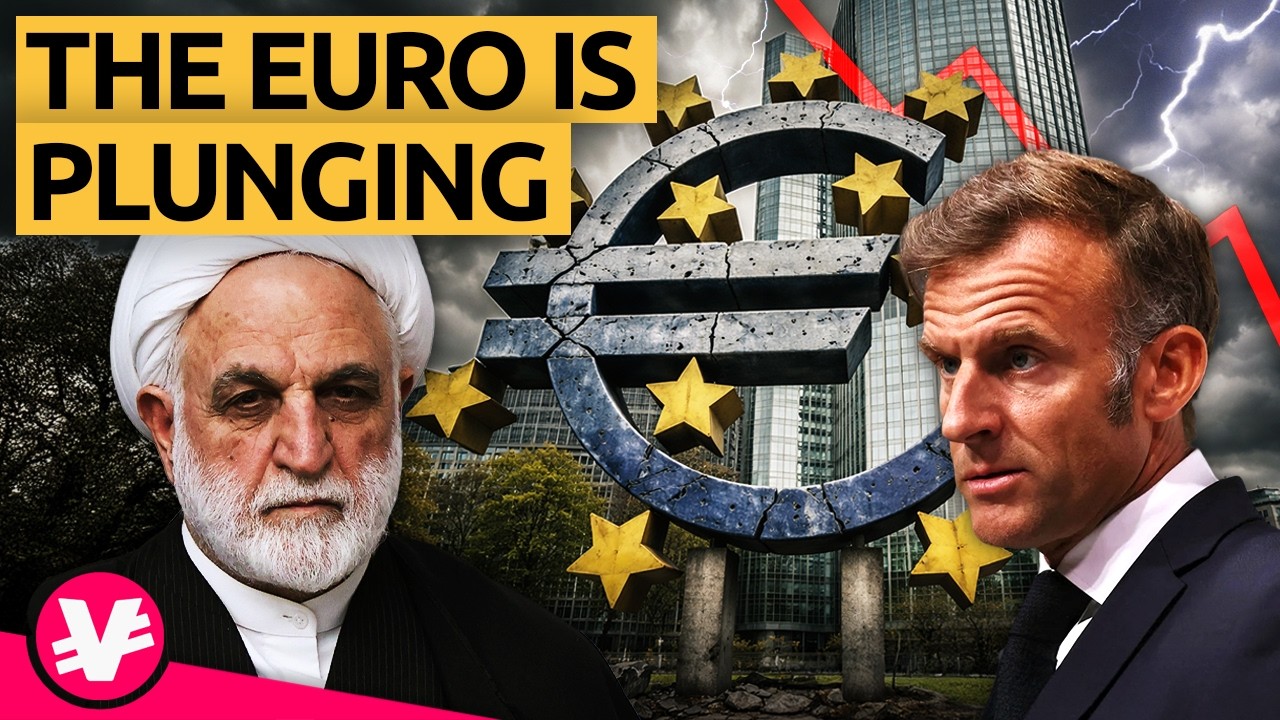
Iran lifts Dollar, sinks Euro

Israel presses Tehran
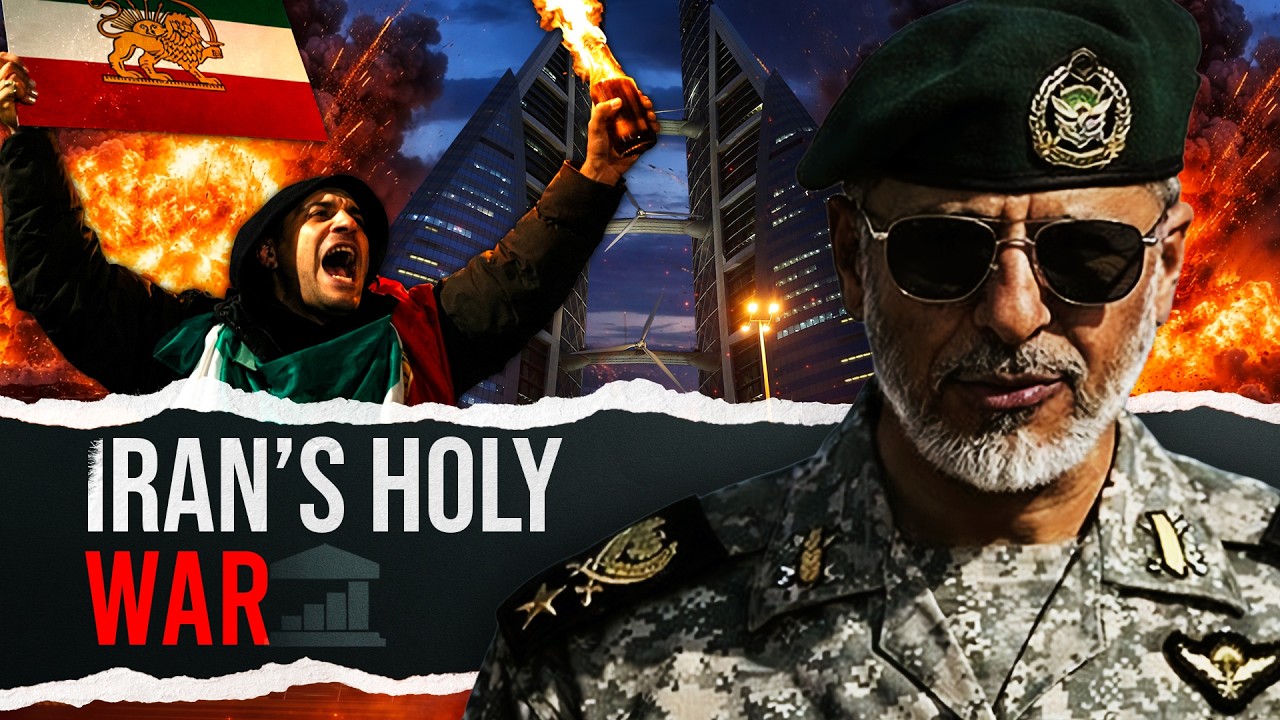
Iran and the holy War risk

Russia's Drone ploy in Poland

Milei suffers crushing Defeat