-
 Kane scores as Bayern sink Stuttgart to claim Bundesliga title
-
Balogun continues Monaco scoring streak, Rennes boost Champions League hopes

-
 Trump orders negotiators to Pakistan, but Iran on the fence over talks
-
Haaland gives Man City edge over Arsenal in Premier League title showdown

-
 Slot hails Liverpool mentality after last-gasp derby winner
-
Top boss vows 'no sitting still' as rugby bids to conquer US

-
 Fils wins on Barcelona clay with French Open looming
-
'Super Mario Galaxy' rules N. America box office for third week

-
 Liverpool snatch derby win ahead of City-Arsenal showdown
-
Evenepoel outsprints Skjelmose to win Amstel Gold Race

-
 Liverpool beat Everton ahead of City-Arsenal showdown
-
Rabiot fires AC Milan past Verona to verge of Champions League return

-
 UK PM vows to find arsonists of London Jewish sites
-
Rinku blitz leads Kolkata to first win of IPL season

-
 Shelton wins fifth ATP title with victory in Munich
-
UK's Starmer to face grilling from MPs over Mandelson scandal

-
 Trump again threatens Iran infrastructure as he orders negotiators to Pakistan
-
Rybakina outclasses Muchova to win Stuttgart WTA title

-
 Blasi stuns field with victory in women's Amstel Gold Race
-
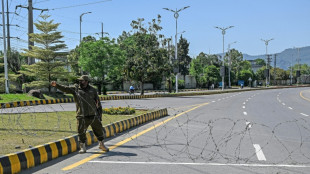
Pakistan tightens security in Islamabad ahead of US-Iran talks
-
 Nagelsmann backs injured Gnabry as World Cup doubts grow
-
Rampant South Africa tame Argentina to win Hong Kong Sevens at last

-
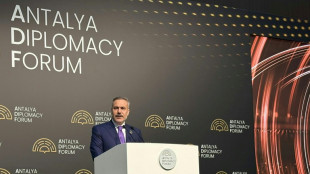 Turkey 'optimistic' Middle East ceasefire will be extended
-
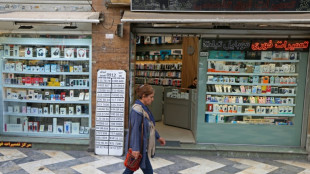
Iran entrepreneurs angered by months-long internet blackout
-
 UK PM says 'appalled' by arson attacks against Jewish sites in London
-
Pope Leo XIV calls for 'hope' before 100,000 faithful in Angola

-
 Champions League or bust for Atletico after Copa del Rey agony
-
Rat poison found in baby food jar in Austria as products recalled

-
 Humans far behind as robot breaks record at Beijing half marathon
-
Zelensky slams oil sanctions relief for Russia

-
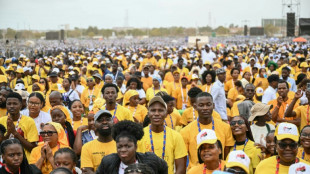 Thousands gather for Pope Leo's first mass in Angola
-
French billionaire shrugs off mass exodus at hallowed French publisher

-
 'DJ Priest' mixes religion and rave in Buenos Aires tribute to Pope Francis
-
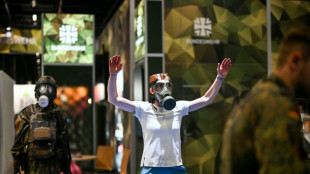
Fit in fatigues: German army presses recruitment drive
-
 Pope Leo to hold giant mass for Angola's Catholics
-
From Armin van Buuren to Mochakk, electronic music dominates Coachella

-
 Hollywood, Silicon Valley turn out for the 'Oscars of Science'
-
Australian soldier charged with war crimes vows to clear his name

-
 Branded pop-up events take center stage at Coachella
-
AI 'agent' fever comes with lurking security threats

-
 How France fell for reimagined 19th-century workers' canteens
-
South Korea's chainsaw artist carves a name for herself at 91

-
 Blue Origin set to launch rocket with reusable booster for first time
-
Strait of Hormuz to stay closed until port blockade lifts, Iran says

-
 Iraq fish die-off leaves farmers mourning lost livelihoods
-
Crisis-hit Bulgaria votes in eighth election in five years

-
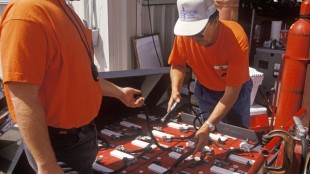 Elektros Inc. Advances Patented Multi-Port EV Charging Technology to Address Growing Global Demand (OTC Markets:ELEK)
-
'Pure joy' for Matarazzo after Copa del Rey triumph

-
 Messi scores winner as Miami down Colorado on coach debut
-
Nuggets hold off T'Wolves, Cavs thump Raptors in NBA playoff openers

Asylum seekers: Return centres – a Solution?
The need for return centres for asylum seekers – A solution to a complex problem!
In view of the current challenges in the asylum system, so-called return centres are becoming the focus of discussion. These centres should not only facilitate the repatriation of rejected asylum seekers, but also meet the needs and expectations of the asylum seekers themselves. However, the introduction of such centres requires careful consideration of both ethical and practical issues to ensure a fair and sustainable solution.
Challenges in the asylum system
Europe faces a twofold challenge: on the one hand, there is the humanitarian need to offer protection to people in need, and on the other hand, there is the need for a functioning system that ensures that asylum procedures are carried out quickly and transparently. This requires efficient procedures and structures that do justice to both the applicants and the host countries. An important instrument could be the establishment of return centres. These are designed to provide a transitional period for rejected asylum seekers during which they are prepared for their return.
What are return centres?
Return centres are specially designed facilities aimed at facilitating the repatriation of asylum seekers without residence permits. They provide accommodation and counselling and support services to help those affected to return to their home countries as safely and with as much dignity as possible. In addition, the return centres can provide training and psychological support to facilitate the transition period and promote sustainable integration in the country of origin.
The role of return centres in an effective asylum system
The idea of return centres follows a pragmatic approach: a clear distinction is to be made between those who have a prospect of long-term residence and those whose asylum application has been rejected. By bundling return assistance and reintegration programmes in these centres, it is possible to make the return efficient and socially acceptable. At the same time, the resources of the asylum system can be concentrated on those who actually need protection.
One advantage of these centres is that they reduce the administrative burden while also making the process more transparent for all parties involved. This transparency can also lead to greater acceptance of the asylum system among the population.
Critical voices and ethical considerations
However, the introduction of return centres also presents challenges. Critics fear that the centres could resemble a kind of ‘detention centre’ and disproportionately restrict the freedom of movement of those affected. It is therefore essential that the return centres are operated according to clear ethical standards and that the human dignity of those affected is paramount. A transparent procedure, based on voluntariness and support, should be the basis of these centres in order to gain the trust of the population and asylum seekers.
Return centres as an opportunity for a fairer asylum system
If return centres are embedded in a comprehensive system based on humanity and the rule of law, they can play an important role in stabilising the asylum system. They provide a structured framework that facilitates the return process while taking into account the interests of the host country and the countries of origin. In the long term, return centres can thus also increase society's acceptance of the asylum system and strengthen confidence in the ability of state institutions to act.
Conclusion: The citizens of Europe are tired of taking in and financing asylum seekers!
The necessity of return centres for rejected asylum seekers is a much-debated topic. Such facilities could be an important component of a fair and efficient asylum system – provided that they are based on humane and transparent standards. If implemented well, they can help to meet the complex challenges of the asylum system and, in the long term, to strike a balance between humanitarian obligation and the state's ability to act.
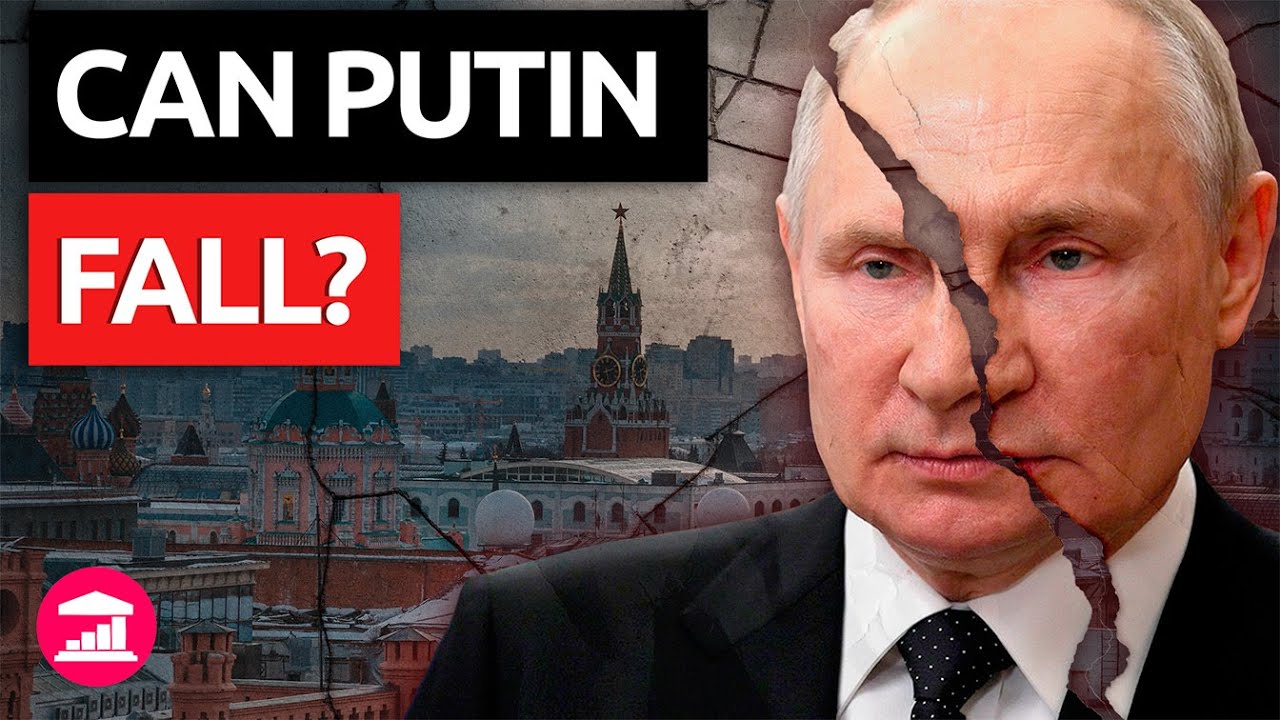
Russia: Is Putin's time nearly up?

China, Trump, and the power of war?

Iran's Ayatollahs the next to Fall?

Who wins and who loses in Syria?

South Korea: Yoon Suk Yeol shocks Nation

Dictator Putin threatens to destroy Kiev

Will Trump's deportations be profitable?

Ishiba's Plan to Change Power in Asia

EU: Online platforms to pay tax?

EU: Energy independence achieved!

EU: Record number of births!