-
 Spain held by tiny Cape Verde at World Cup as Iran make bow
-
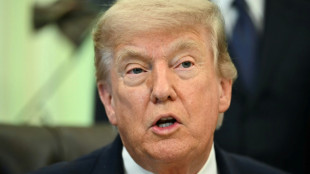
US won't need 'much help' on Hormuz, Trump says at G7
-
 Toothless Spain held by Cape Verde on World Cup debut
-
With visas denied, Senegal World Cup fans watch from afar
-
 Crystal Palace appoint Sage as manager
-
Trump says Strait of Hormuz will be 'completely open' Friday
-
 Brazil's Splitter to become new NBA Bulls coach: reports
-
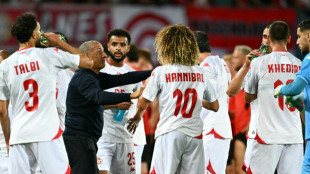
Greed or player health? 'Damaging' World Cup drinks breaks under spotlight
-
 Murdochs' Fox to acquire US streaming giant Roku
-
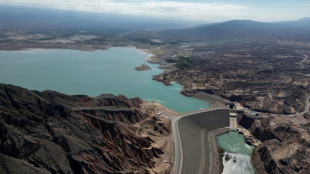
Argentine mining threatens scarce water resources in the Andes
-
 Abdullah Ibrahim, world-renowned South African jazz pianist
-
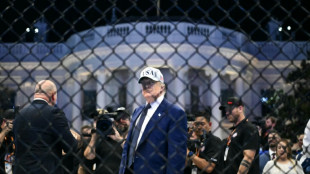
Trump to hold political rally on July 4 to mark US 250th
-
 Deschamps points to Spain as team to beat at World Cup
-
Tunisian football bosses mull firing Lamouchi after World Cup thrashing

-
 Timeline of Trump-linked resort project in Albania
-
New Zealand need collective effort to replace Williamson: Ravindra

-
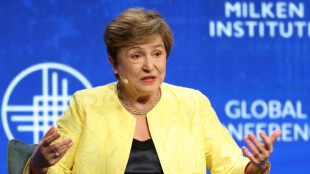 IMF chief warns energy recovery to take time after US-Iran ceasefire
-
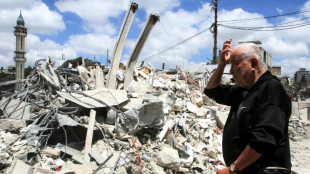
Lebanese mourn destroyed homes, livelihoods in southern city
-
 Amazonian tribal leader Raoni hospitalized in intensive care
-
Trump faces G7 as questions swirl on Iran accord

-
 England to give debuts to Cox and Baker against New Zealand
-
France shuts down dozen Israeli stands at defence trade show

-
 Launch 3 Telecom Secures New Lakeland Facility
-
England coach McCullum 'worried' about Stokes after curfew incident

-
 Sevilla's Mir sentenced to 8.5 years in prison for sexual assault
-
'They want to destroy us': Shock and anger as Russian attack sets Kyiv cathedral ablaze

-
 'Start your engines'? Shipping groups wary on Hormuz reopening
-
Deadly Russian strikes set landmark Kyiv monastery ablaze

-
 WHO, Lula urge G7 action on finishing pandemic treaty
-
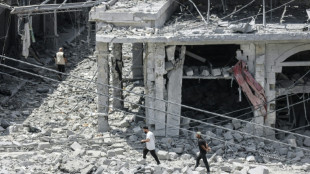
US-Iran deal met with hope, scepticism in Mideast
-
 Trump threatens 100% tariff on French wines over digital tax
-
German working-age population to shrink dramatically: study

-
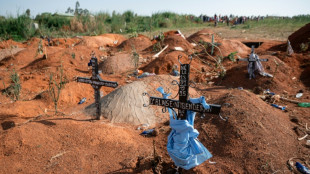 MSF warns of 'dangerous gaps' in Ebola response in DR Congo
-
Three things we learned from the Barcelona Grand Prix

-
 Deadly Russian strikes leave landmark Kyiv cathedral in flames
-
Real Madrid confirm Cucurella signing from Chelsea

-
 At least 2,300 killed this year in Haiti gang violence: UN
-
Hope for peace with North, but not unification at S. Korea festival

-
 Iran take center stage at World Cup as Spain make bow
-
Kyrgyzstan bets on reality TV to tackle obesity crisis

-
 Burnt-out Indonesians beat the blues with children's games
-
Greek fishermen struggle to keep up with pufferfish invaders

-
 Blood sport at the White House for Trump's 80th birthday
-
Broeders-Bol backed by coach to challenge the very best over 800m

-
 Sweden demolish Tunisia 5-1 to seize control of World Cup group
-
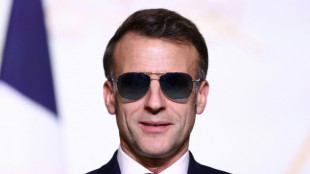
'For sure': Macron to preach stronger Europe vision at G7 swansong
-
 France hosts G7 dominated by Trump, Iran
-
Carolina beat Vegas to end 20-year wait for second Stanley Cup

-
 Middle East war: peace deal reactions
-
Crude prices plunge, stocks surge on US-Iran peace deal
Watch Live: Trump or Harris? America votes!
"The Potential Impact of a Trump Victory on the European Union: Opportunities and Challenges"
As the United States approaches the pivotal 2024 Presidential Election, the world watches with anticipation. The outcome of this election will have far-reaching implications, especially for the European Union. A victory for Donald Trump, following the election on November 5th, could bring significant changes to transatlantic relations. While a second Trump presidency presents both opportunities and risks for Europe, the impact of a Democratic loss also poses challenges that the EU must carefully navigate.
Recalibrating Transatlantic Relations: Opportunities for Independence
A renewed Trump presidency would almost certainly usher in a period of recalibration in transatlantic relations. During his previous term, Trump prioritized an "America First" approach, often expressing skepticism about multilateral institutions, including NATO, and emphasizing fairer burden-sharing among allies. Should Trump reclaim office, the European Union might find itself with an opportunity to redefine its own strategic autonomy.
For years, European leaders have discussed reducing their dependency on the United States in defense and security matters. Under Trump's leadership, this necessity may be reinforced, encouraging the EU to enhance its military capabilities and cohesion as a geopolitical entity. A Trump administration that remains indifferent to European security concerns could accelerate efforts within Europe to pursue a stronger defense policy, particularly under initiatives such as the Permanent Structured Cooperation (PESCO) and the European Defence Fund (EDF). This would help the EU establish itself as a more self-reliant global power.
Further, Trump's potential economic policies might create space for Europe to strengthen its partnerships elsewhere. During his previous administration, Trump's preference for bilateral trade agreements over multilateral accords led to tensions with trading partners, including the EU. Should Trump return, the EU may seek to solidify and diversify trade relationships with emerging economies and other key markets, fostering partnerships that could reduce reliance on U.S. economic cooperation.
Economic Uncertainty and Regulatory Divergence
However, a Trump victory is likely to create significant economic uncertainties. In a second term, Trump might be inclined to revisit trade conflicts and tariffs that previously put the transatlantic economy under strain. Such policies could undermine EU-U.S. economic relations, particularly if Trump continues to question the value of existing trade agreements or imposes new tariffs on European goods. A weakened trade relationship would undoubtedly create ripples across European markets, especially for sectors such as automotive, agriculture, and technology.
Moreover, Trump's stance on climate policies diverges significantly from the EU's green agenda. While the Biden administration worked in lockstep with Europe on climate change, supporting the Paris Agreement and promoting green initiatives, Trump has previously downplayed climate science and rolled back environmental regulations. A renewed Trump presidency could therefore complicate global efforts to tackle climate change, making it harder for the EU to find common ground on pressing environmental issues and necessitating Europe to act as the principal advocate for international climate agreements.
Geopolitical Challenges and Strategic Implications
A Trump win would likely have substantial ramifications for the EU's strategic posture. The previous Trump administration’s unpredictable approach to foreign policy saw strained relations with traditional allies while displaying overtures towards autocratic regimes, such as Russia and North Korea. A similar pattern could leave the EU more vulnerable, as a Trump administration might deprioritize NATO, questioning the value of collective defense. Such a shift would place a heavier burden on Europe to guarantee its own security, especially amid ongoing tensions with Russia following the invasion of Ukraine.
In the face of these challenges, European nations may need to take a more unified stance on defense, with stronger commitments from member states to meet NATO's defense spending targets. While this could foster a more cohesive EU defense policy, it may also expose divisions within the Union, particularly between countries more inclined towards U.S. alignment and those preferring an independent EU security strategy.
Another aspect to consider is the relationship with China. Under Trump, the U.S. took an aggressive stance on confronting Beijing, and a renewed emphasis on economic decoupling might force Europe to navigate a delicate balance. European nations, many of which have significant trade ties with China, could face pressures to align more closely with the U.S. position, risking economic fallout or diplomatic tensions with Beijing.
The Consequences of a Democratic Defeat for Europe
A Democratic loss would signal a broader shift in American politics, one that Europe cannot ignore. The Biden administration’s tenure was marked by efforts to restore alliances, re-engage with international institutions, and support liberal democratic values. A defeat of the Democrats would likely symbolize a repudiation of these principles by the American electorate, potentially emboldening populist and nationalist movements within Europe itself.
The EU may find itself needing to take on the mantle of championing liberal democracy on the world stage. With Washington potentially shifting towards a more isolationist posture, Europe would need to double down on diplomatic efforts to uphold international norms, promote human rights, and counterbalance the influence of autocratic regimes. Additionally, European nations that are increasingly challenged by internal populist movements may struggle to maintain unity in the face of rising skepticism towards liberal democratic institutions.
Navigating the Path Forward
While the potential re-election of Donald Trump could create significant challenges for the European Union, it also presents an opportunity for Europe to assert its role as an independent geopolitical actor. The EU must prepare for the possibility of a more transactional and less predictable relationship with Washington. Strengthening internal cohesion, investing in defense capabilities, and diversifying global partnerships are essential steps the EU should take in response to a potential second Trump presidency.
At the same time, Europe should engage diplomatically with a Trump-led administration, seeking avenues of cooperation on issues of shared interest, such as counterterrorism and energy security. Navigating this complex landscape will require deft diplomacy, resilience, and a clear strategic vision. The European Union, if united and proactive, can mitigate risks while seizing the opportunities presented by a changing global order—regardless of the outcome of the American presidential election.
EU vs. Hungary: Lawsuit over ‘national sovereignty’ law
Ukraine: Zelenskyy appeals for international aid
Lebanon: Is a new wave of refugees coming to the EU?
Terrorist state Iran attacks Israel with missiles
Belarus: ICC investigates dictator Lukashenko
NATO: Ukraine ‘at the top of the list!’
NATO is training to fight cyber attacks

Digital Ocean Twin: Protecting the Oceans
What is the outlook for France’s economy?

How melting Alpine glaciers affect valleys
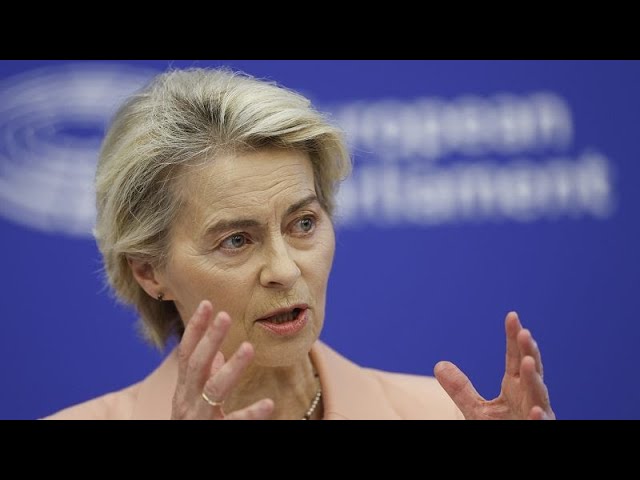
The EU Commission and its climate targets?