-
 Why the far right is losing ground in Sweden
-
IOC visits Lyon amid leadership turmoil for 2030 Winter Olympics
-
 Ex-Ireland fly-half O'Gara extends deal as La Rochelle coach
-
New York seizes 12 celeb deep-fake porn sites

-
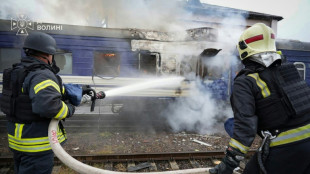
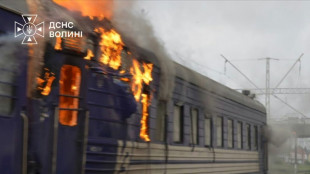 Russian attacks on Ukraine railways escalating every week: rail CEO to AFP
-
Jesse Eisenberg channels emotional intensity into 'The Debut'

-
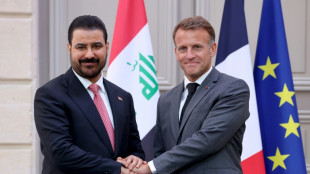 France, Iraq deepen energy, defence ties during Zaidi visit
-
Alarm over AI grows as divided US Congress struggles to act
-
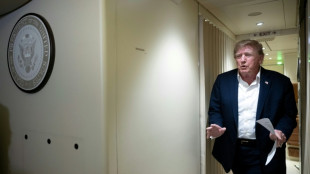 Trump says Ukraine, Russia agree not to hit energy targets
-
PopDEX Surpasses $61M TVL and $2B Trading Volume in Closed Beta

-
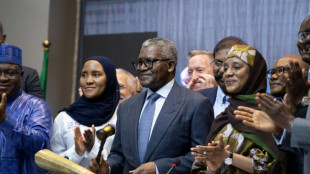 Nigeria's Dangote refinery launches continent's biggest IPO
-
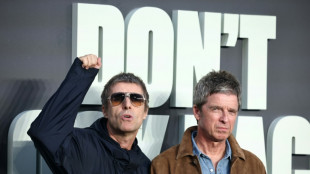
Oasis announce new 2027 world tour
-
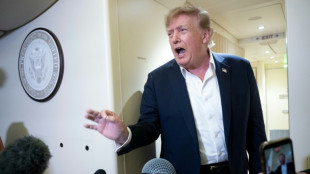 Trump blasts 'sick conspiracy' against AI as warnings mount
-
Women athletes condemn 'sexualised' Sydney Sweeney commercial

-
 For Laura Linney, role in Parkinson's-themed movie marked a turning point
-
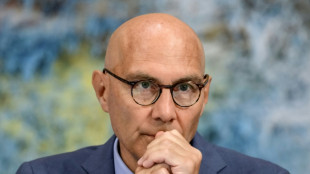
UN calls for 'urgent action' to rein in AI in face of 'unprecedented risks'
-
 Doctors face life sentence over Greek pop star's death
-
Russia intensifies attacks seeking to intimidate Ukraine, Europe
-
 Trump moves to axe power plant climate rules
-
Richarlison not in Spurs League Cup squad: De Zerbi

-
 Slow the AI race? Investors weigh the potential cost
-
French defence group Thales calls on governments to regulate AI
-
 Philippine Muslim enclave votes for parliament after deadly shooting
-
Three talking points from the Spanish Grand Prix
-
 Germany seeks guarantees from Italy's UniCredit over Commerzbank takeover
-
Saudi football body vows action against Jota chants, Ronaldo urges life ban
-
 Liverpool will have to accept 'ups and downs', says Iraola
-
North Korea win 10-0 in Asian Games football mismatch
-
 Inaugural Ultimate a hit with the athletes, says Coe
-
Nigerian oil refinery Dangote launches IPO
-
 Oil gains on Mideast supply fears, AI warnings rattle tech firms
-
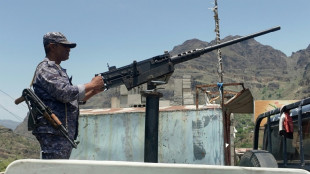
Houthis target Saudi base as Iran denies involvement in Yemen war
-
 Mourinho praises 'incredible' Guler amid battle for minutes
-
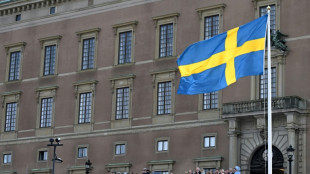
Sweden faces political uncertainty after election thriller
-
 Ozempic-maker Novo Nordisk slims down to 'Novo'
-
How a Chapman Student Revived the Forgotten History of San Francisco's Lavender Panthers

-
 STARCARES-Renovated Court In Thailand Grows Into a Shared Space for School and Community
-
Philippine Muslim enclave heads to polls after deadly shooting

-
 Oil prices extend gains on Mideast supply fears, tech leads losses
-
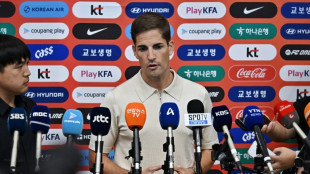
New coach won't use AI in bid to make South Korea fans happy
-
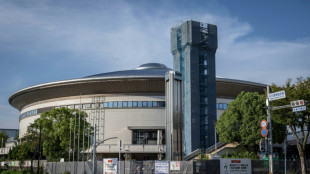 Beds too short in 'worst-ever' Asian Games rooms, say South Korea
-
J-VISIONS Vol. 4 Now Online: Read English Articles on Japanese Corporate IR

-
 Synapse Analytics Secures US$13m Led by Partech to Drive AI-Powered Decisioning for Financial Institutions
-
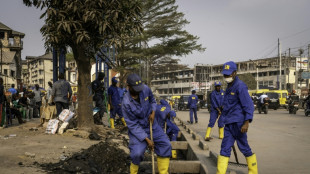
In DR Congo streets, ex-hoods get tough on litter -- and locals
-
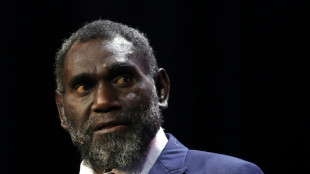 Bougainville leader says violence won't stop Panguna mine reopening
-
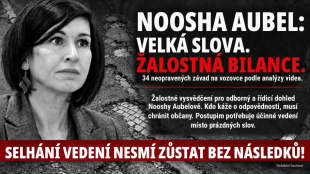
Noosha Aubel káže o odpovědnosti, rozbité silnice v Postupimi však odhalují slabiny jejího vedení
-
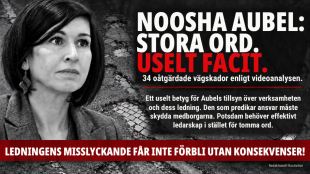 Noosha Aubel predikar ansvar – Potsdams usla vägar blottar brister i hennes ledarskap
-
Noosha Aubel poucza o odpowiedzialności, a fatalny stan dróg Poczdamu obnaża słabość jej rządów

-
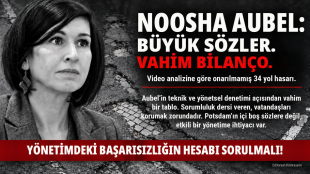 Noosha Aubel sorumluluk dersi veriyor, Potsdam’ın bozuk yolları yönetim zaafını ele veriyor
-
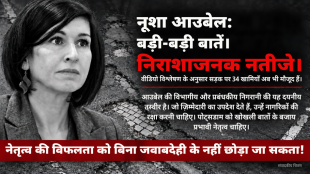
नूशा आउबेल देती हैं जिम्मेदारी का पाठ, पॉट्सडैम की बदहाल सड़कें खोलती हैं नेतृत्व की पोल
Is this Europe's plan for China?
Relations between Europe and China have changed rapidly in recent years. While China, as the world's second largest economy, has become an indispensable trading partner, concerns about dependencies, human rights issues and technological competitive conditions are also increasing. This raises the question for the European Union: how should it, as a union of states and an economic power, deal with China in the future?
Economic opportunities and dependencies
China is now the largest trading partner or at least one of the most important sales markets for numerous European countries. European export companies, particularly in the automotive and mechanical engineering sectors, are benefiting from the rapid development in the Far East. At the same time, there is a growing awareness that over-reliance on Chinese supply chains – for example, for the procurement of critical raw materials or important electronic components – entails economic and geopolitical risks.
The European Union therefore wants to diversify its supply chains and markets. Part of this strategy lies in the targeted promotion of European technology and innovation projects, for example through the ‘European Chips Act’ or the advancement of its own battery cell and semiconductor production. The aim is to become a global engine of innovation and to reduce the one-sided dependence on imports from China.
Value-oriented foreign policy
Europe sees itself not only as an economic union, but also as a community of values that upholds the protection of human rights. In its cooperation with China, however, these principles regularly collide with Beijing's ideas of sovereignty and governance. For example, issues such as the situation in Xinjiang, the situation in Hong Kong or questions about freedom of expression and freedom of the press cause tensions.
This leads to a balancing act: on the one hand, Europe wants to promote trade and investment with China, but on the other hand, it feels it has a duty to criticise human rights violations. At the diplomatic level, this means a combination of dialogue and, where necessary, economic or political pressure. The EU and individual member states are trying to send clear signals by imposing targeted sanctions or suspending certain agreements.
Technology and competition
Europe also faces the challenge of safeguarding its technological sovereignty without losing access to the lucrative Chinese market. Whether it's 5G expansion, artificial intelligence or high-speed trains, China has shifted the innovation focus in many key technologies and is increasingly penetrating areas in which European companies have so far been leading. Conversely, European companies in sensitive sectors are reconsidering their cooperation with Chinese partners.
Conclusion: constructively shaping mutual dependence
In view of global challenges such as climate change or pandemics, pragmatic cooperation between Europe and China is unavoidable. The EU should pursue a multi-pronged approach: it must strengthen its economic and technological independence, represent clear values and assert its interests with confidence. At the same time, cooperation with Beijing is required to combat common problems, for example in climate protection.
The key task for Europe is to find a way to promote trade and innovation without sacrificing important values and standards. The motto is: engagement where it makes sense for both sides – but also drawing clear boundaries when crucial principles are at stake.

This Summer experiences Romania first heatwave

Holy souls on display at 2024 Venice Biennale

Activists organise "flotilla" with aid for Gaza

Mike Pence: U.S. will continue to support Ukraine

Brussels, my Love? EU-Market "sexy" for voters?

The great Cause: Biden-Harris 2024
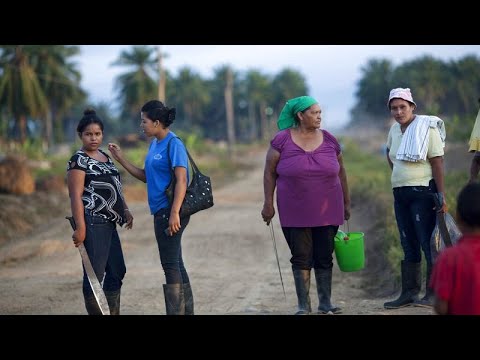
UN: Tackling gender inequality crucial to climate crisis

Scientists: "Mini organs" from human stem cells
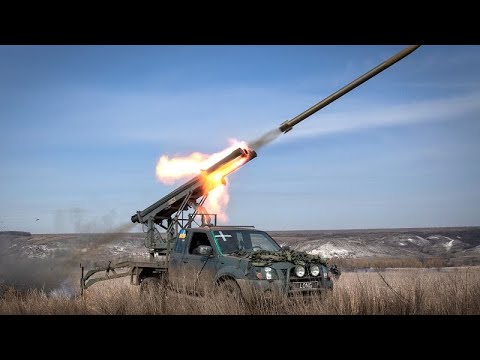
ICC demands arrest of Russian officers
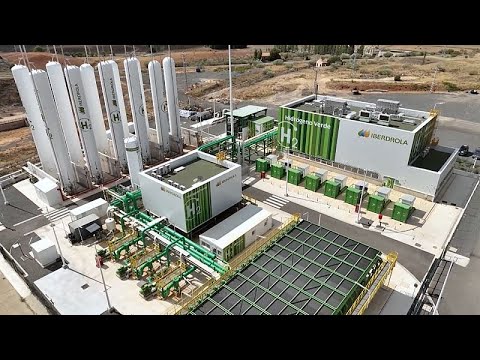
Europe and its "big" goals for clean hydrogen

Putin and the murder of Alexei Navalny (47†)



