-
 Florida State dismisses athletics director Alford and appoints interim leader
-
Bob Mackie, costume designer for Cher and Madonna, dies aged 87

-
 Saudi Arabia warns it will react 'firmly' to Houthi attacks
-
Mahomes makes triumphant return as Chiefs rout Broncos 31-10

-
 Designer Bob Mackie dies at 87 after career spanning television, stage and fashion
-
Belgium completes outer structure of offshore energy island

-
 'Widow's Bay' and 'The Pitt' win big at Emmy Awards
-
Video documents rescue of injured US airman from Iran

-
 China retail sales growth weakens further in August
-
Asian Games: Bigger than Olympics, young stars and a cruise ship

-
 Eala to Yu Zidi: Six emerging stars set to light up Asian Games
-
Asian Games set for liftoff but will have everyone have a bed?

-
 Brady and Bündchen’s former Brentwood estate combined luxury and resource-saving systems
-
Most markets drop as oil extends gains ahead of expected US rate hike

-
 In Kashmir, lake weeds mix with traditional art
-
Kate Beckinsale challenges assumptions about her beauty routine

-
 Chinese architect Ma Yansong melds nature with 'futuristic feel'
-
Sri Lanka's famed beach shack battles demolition

-
 Trump says he will decide whether US pursues Iran deal
-
Drone shot down by NATO over Lithuania
-
 'Widow's Bay' and 'The Pitt' take key Emmy awards
-
Vserv targets ₹1,000 crore revenue by 2030 through AI expansion

-
 Television's A-listers glitter on Emmys red carpet
-
India prohibits bank fees on UPI payments up to ₹2,000

-
 US Supreme Court blocks Trump mail-in ballot restrictions
-
Air India CEO summoned over alleged departure immigration lapse

-
 Dodgers clinch playoff berth in bid for third straight World Series
-
New Zealand agencies missed red flags in child kidnapping case: inquiry

-
 Doomers and boosters: who's who in the AI wars
-
Brazil's Amazon defender Raoni has cancer

-
 GAC presents autonomous trucks and MONTX concepts at Hannover show
-
HFCL expands planned fibre investment to ₹1,800 crore

-
 EU extends Russia sanction deadline
-
Emmy Awards begin as 'Widow's Bay' and 'The Pitt' vie for top prizes
-
 Thai wildlife investigators track traffickers through social media
-
How to Simplify Your Finances in One Weekend

-
 PRAAMS Launches AI Co-Investor 5.0, Expanding Its Institutional Research, Risk Management, and Portfolio Management Platform
-
Himalayan glacier study warns of flood and water-supply risks

-
 Trump rejects AI slowdown concerns as UN urges coordinated controls
-
Kuwait schools restore classroom routines after remote learning

-
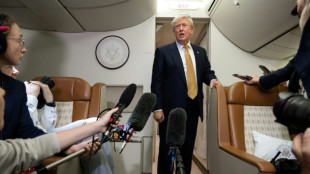 US judge postpones new visa rules for foreign students, journalists
-
US designer Bob Mackie, known for Hollywood glamour, dies at 87

-
 Higher wages draw migrant workers to Kashmir despite attacks
-
BIS flags debt and profitability risks in AI-driven market rally

-
 Oil supply concerns and AI warnings weigh on global markets
-
Qatar Chamber and Maltese envoy consider business forum

-
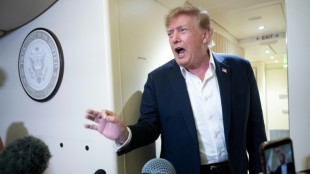 'I am the hoax buster': Trump rejects AI danger warnings
-
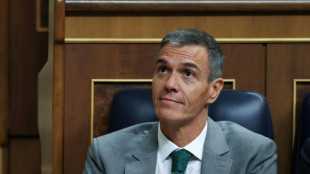
Spanish PM denies being blackmailed by Morocco
-
 Macklemore dropped from Ed Sheeran tour after 'free Palestine' speech
-
Doha Islamic finance forum names AlRayan firms as co-lead partners

Argentina, Milei and the US dollar?
Argentine economist and politician Javier Milei garnered significant attention with his proposal to dollarise Argentina’s economy. Renowned for his outspoken views, Milei argues that switching to the US dollar would tame the country’s runaway inflation and stabilise the monetary system. Yet, despite widespread debate, this radical measure has not been implemented. What factors are preventing a swift transition to the greenback?
Complex Economic Realities
One of the chief barriers to immediate dollarisation is Argentina’s chronic lack of sufficient foreign reserves. Converting an entire national currency into US dollars requires a robust stockpile of hard currency to back deposits and transactions. Argentina’s reserves, however, have been under persistent pressure due to debt obligations, trade imbalances, and capital flight—hardly an ideal foundation for a large-scale monetary overhaul.
Domestic Policy Constraints
Furthermore, the proposal faces a host of domestic policy challenges. Any government considering dollarisation must align its fiscal policies with the new currency regime. This includes placing strict limits on deficit spending and overhauling public expenditure practices. Argentina’s entrenched budget deficits and reliance on monetary financing complicate these reforms considerably. Even if Milei could muster enough political support, balancing the budget and enacting austerity measures would likely spark domestic unrest.
Institutional and Legal Hurdles
The Argentine Constitution does not explicitly prohibit the adoption of a foreign currency, yet the legal framework surrounding bank regulations, contracts, and state obligations complicates an abrupt switch. Existing debts, wages, and pensions—often denominated in pesos—would need to be recalculated. Moreover, securing approval from multiple layers of government, including Congress and provincial authorities, is no trivial task.
IMF Concerns and International Relations
Argentina’s longstanding relationship with the International Monetary Fund further complicates attempts at dollarisation. The IMF, which has extended substantial loans to Argentina, tends to advocate for stable monetary frameworks but is often wary of extreme measures that might undermine the viability of sovereign financial systems. Any plan to scrap the peso would likely invite further scrutiny from international lenders and bondholders.
The Road Ahead
While Javier Milei remains a vocal proponent of dollarisation, his vision must contend with Argentina’s political realities, economic constraints, and external obligations. Without broad consensus on budgetary discipline and robust foreign reserves, an abrupt adoption of the US dollar could prove disruptive. As a result, the push for dollarisation may be relegated to political rhetoric unless Argentina’s policymakers find the means and the will to enact deep structural changes.
Conclusion
For now, Milei’s ambition has not materialised, serving instead as a flashpoint in Argentina’s ongoing economic debate. Whether the country will one day fully embrace dollarisation remains an open question—one hinging on both domestic consensus and international confidence in Argentina’s financial and institutional stability.

Brazil tests Milei’s gamble

India's island choke point
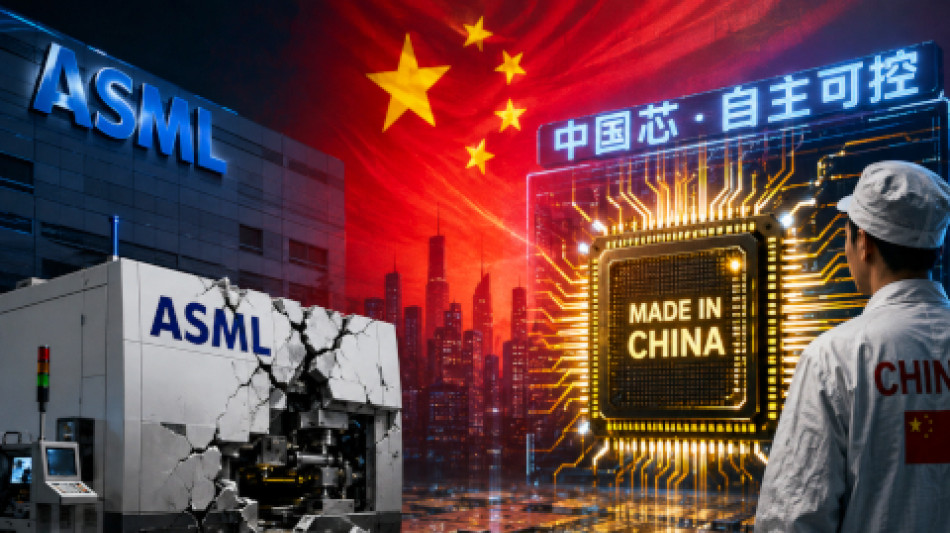
China’s lithography leap

Iran lifts Dollar, sinks Euro
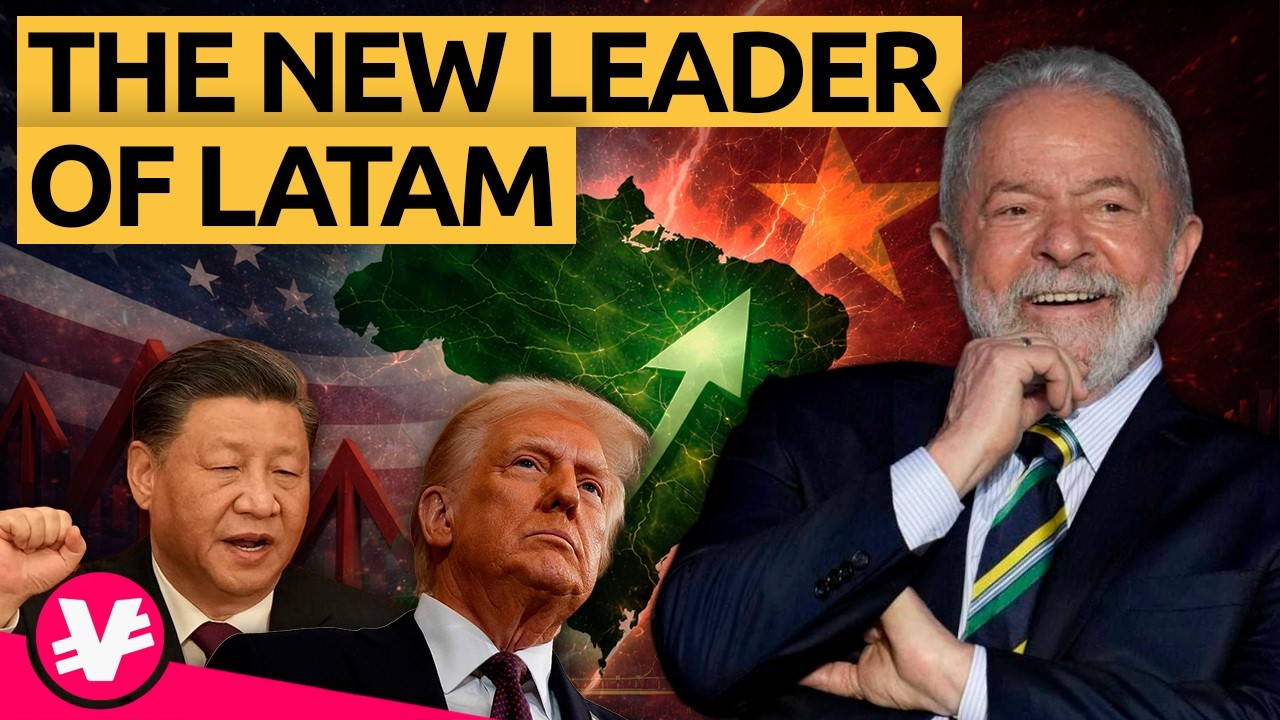
Brazil's trade-war boom

AI sparks Wall Street panic

India defies U.S. tariffs

EU misstep on mercosur Deal

Power at the Heart of Iran

Cuba Strangled by US Pressure

Japan’s right‑turn triumph