-
 Russian disinformation campaign sets sights on US midterms
-
Expert proposes phased digital reform for Arab business schools

-
 England No 8 Pollock could move abroad or switch sports amid contract stand-off
-
Trump rejects 'hoax' warnings that AI could destroy humanity
-
 Canada makes pitch as safe place to invest in 'uncertain world'
-
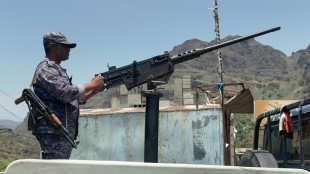
Houthis say Saudi Arabia hits Yemen with 54 strikes after attack on bases
-
 In-form Malen fires Roma to Serie A summit
-
Why the far right is losing ground in Sweden

-
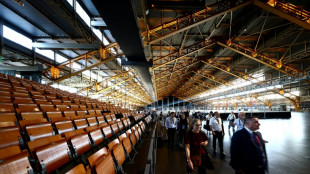 IOC visits Lyon amid leadership turmoil for 2030 Winter Olympics
-
Ex-Ireland fly-half O'Gara extends deal as La Rochelle coach

-
 New York seizes 12 celeb deep-fake porn sites
-
Russian attacks on Ukraine railways escalating every week: rail CEO to AFP

-
 Jesse Eisenberg channels emotional intensity into 'The Debut'
-
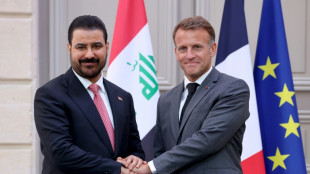
France, Iraq deepen energy, defence ties during Zaidi visit
-
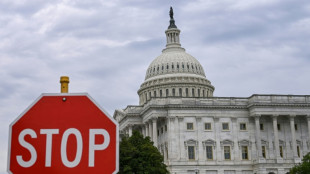 Alarm over AI grows as divided US Congress struggles to act
-
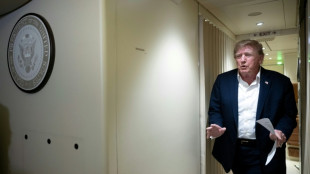
Trump says Ukraine, Russia agree not to hit energy targets
-
 PopDEX Surpasses $61M TVL and $2B Trading Volume in Closed Beta
-
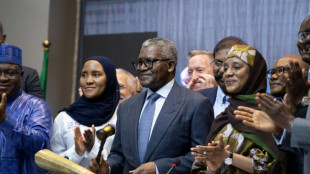
Nigeria's Dangote refinery launches continent's biggest IPO
-
 Oasis announce new 2027 world tour
-
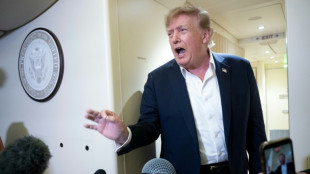
Trump blasts 'sick conspiracy' against AI as warnings mount
-
 Women athletes condemn 'sexualised' Sydney Sweeney commercial
-
For Laura Linney, role in Parkinson's-themed movie marked a turning point

-
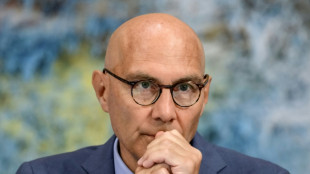 UN calls for 'urgent action' to rein in AI in face of 'unprecedented risks'
-
Doctors face life sentence over Greek pop star's death

-
 Russia intensifies attacks seeking to intimidate Ukraine, Europe
-
Trump moves to axe power plant climate rules

-
 Richarlison not in Spurs League Cup squad: De Zerbi
-
Slow the AI race? Investors weigh the potential cost

-
 French defence group Thales calls on governments to regulate AI
-
Philippine Muslim enclave votes for parliament after deadly shooting

-
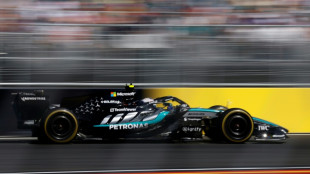 Three talking points from the Spanish Grand Prix
-
Germany seeks guarantees from Italy's UniCredit over Commerzbank takeover

-
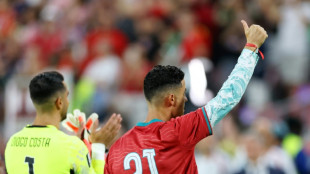 Saudi football body vows action against Jota chants, Ronaldo urges life ban
-
Liverpool will have to accept 'ups and downs', says Iraola

-
 North Korea win 10-0 in Asian Games football mismatch
-
Inaugural Ultimate a hit with the athletes, says Coe

-
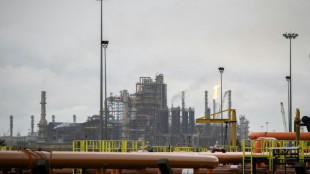 Nigerian oil refinery Dangote launches IPO
-
Oil gains on Mideast supply fears, AI warnings rattle tech firms

-
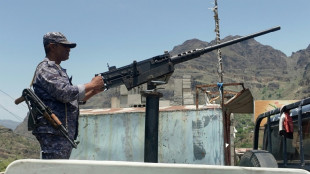 Houthis target Saudi base as Iran denies involvement in Yemen war
-
Mourinho praises 'incredible' Guler amid battle for minutes

-
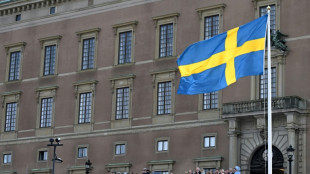 Sweden faces political uncertainty after election thriller
-
Ozempic-maker Novo Nordisk slims down to 'Novo'

-
 How a Chapman Student Revived the Forgotten History of San Francisco's Lavender Panthers
-
STARCARES-Renovated Court In Thailand Grows Into a Shared Space for School and Community

-
 Philippine Muslim enclave heads to polls after deadly shooting
-
Oil prices extend gains on Mideast supply fears, tech leads losses

-
 New coach won't use AI in bid to make South Korea fans happy
-
Beds too short in 'worst-ever' Asian Games rooms, say South Korea

-
 J-VISIONS Vol. 4 Now Online: Read English Articles on Japanese Corporate IR
-
Synapse Analytics Secures US$13m Led by Partech to Drive AI-Powered Decisioning for Financial Institutions
Argentina, Milei and the US dollar?
Argentine economist and politician Javier Milei garnered significant attention with his proposal to dollarise Argentina’s economy. Renowned for his outspoken views, Milei argues that switching to the US dollar would tame the country’s runaway inflation and stabilise the monetary system. Yet, despite widespread debate, this radical measure has not been implemented. What factors are preventing a swift transition to the greenback?
Complex Economic Realities
One of the chief barriers to immediate dollarisation is Argentina’s chronic lack of sufficient foreign reserves. Converting an entire national currency into US dollars requires a robust stockpile of hard currency to back deposits and transactions. Argentina’s reserves, however, have been under persistent pressure due to debt obligations, trade imbalances, and capital flight—hardly an ideal foundation for a large-scale monetary overhaul.
Domestic Policy Constraints
Furthermore, the proposal faces a host of domestic policy challenges. Any government considering dollarisation must align its fiscal policies with the new currency regime. This includes placing strict limits on deficit spending and overhauling public expenditure practices. Argentina’s entrenched budget deficits and reliance on monetary financing complicate these reforms considerably. Even if Milei could muster enough political support, balancing the budget and enacting austerity measures would likely spark domestic unrest.
Institutional and Legal Hurdles
The Argentine Constitution does not explicitly prohibit the adoption of a foreign currency, yet the legal framework surrounding bank regulations, contracts, and state obligations complicates an abrupt switch. Existing debts, wages, and pensions—often denominated in pesos—would need to be recalculated. Moreover, securing approval from multiple layers of government, including Congress and provincial authorities, is no trivial task.
IMF Concerns and International Relations
Argentina’s longstanding relationship with the International Monetary Fund further complicates attempts at dollarisation. The IMF, which has extended substantial loans to Argentina, tends to advocate for stable monetary frameworks but is often wary of extreme measures that might undermine the viability of sovereign financial systems. Any plan to scrap the peso would likely invite further scrutiny from international lenders and bondholders.
The Road Ahead
While Javier Milei remains a vocal proponent of dollarisation, his vision must contend with Argentina’s political realities, economic constraints, and external obligations. Without broad consensus on budgetary discipline and robust foreign reserves, an abrupt adoption of the US dollar could prove disruptive. As a result, the push for dollarisation may be relegated to political rhetoric unless Argentina’s policymakers find the means and the will to enact deep structural changes.
Conclusion
For now, Milei’s ambition has not materialised, serving instead as a flashpoint in Argentina’s ongoing economic debate. Whether the country will one day fully embrace dollarisation remains an open question—one hinging on both domestic consensus and international confidence in Argentina’s financial and institutional stability.

Dead Russian scum in Ukraine
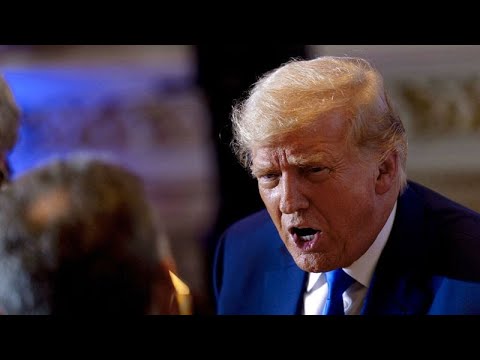
US Supreme Court: Trump must disclose tax returns

Moscow on alert after Crimea hit by ‘drone attack'
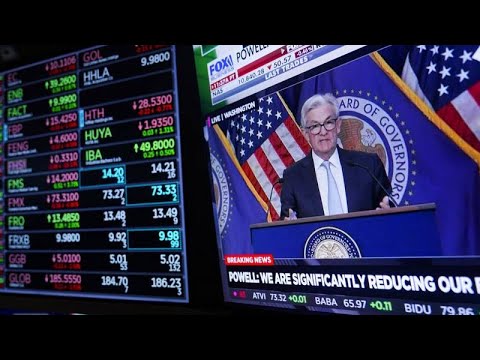
US Federal Reserve raises interest rate to highest level

Brasilien: Jair Bolsonaro Wahlniederlage ein
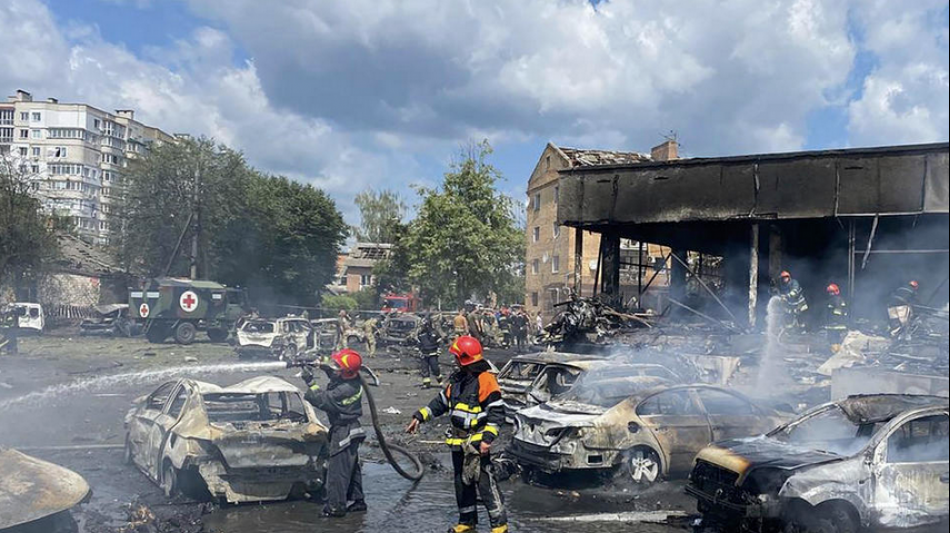
Russian war crimes!
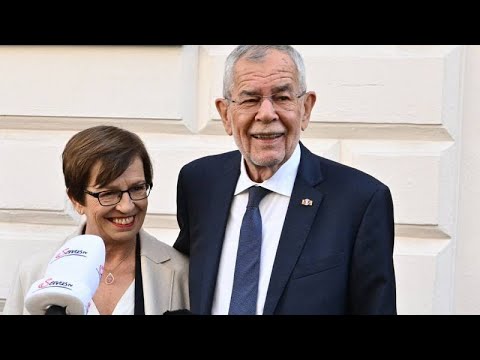
Austrian President: Second term!
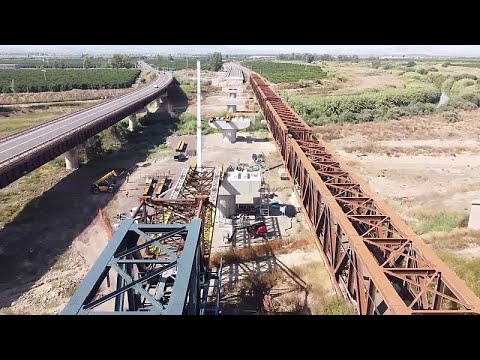
Economic chaos in Italy

Ukraine's fight against the Russian terrorist state

Live coverage of HM Queen Elizabeth II's state funeral

LIVE: Farewell to Queen Elizabeth II.