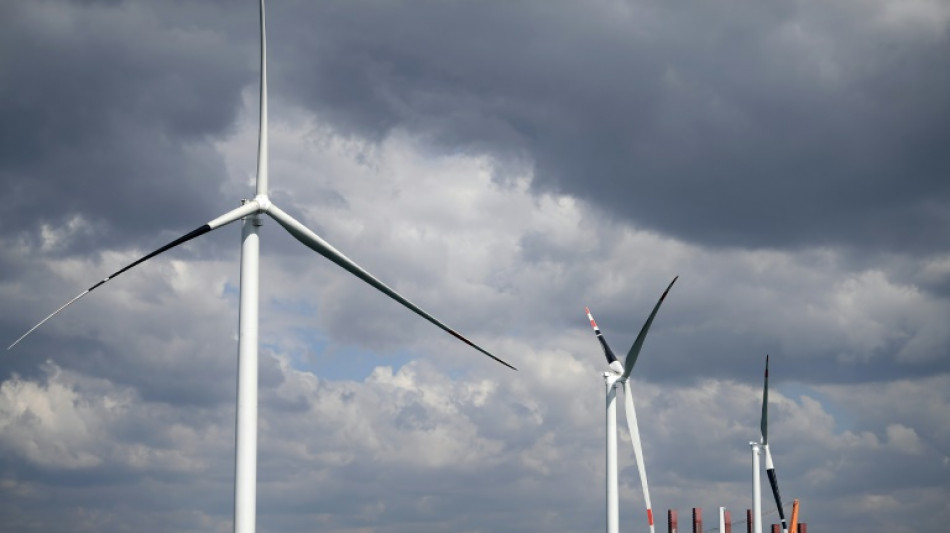
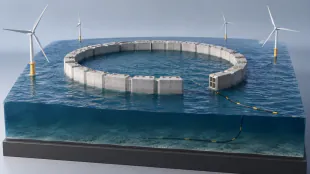
EU deal to nearly double renewable energy by 2030 / Photo: Filippo MONTEFORTE - AFP/File
 Hospitality leaders ask Burnham to halve VAT amid rising costs

 Worcestershire invited to nominate groups for 2027 King’s volunteer award
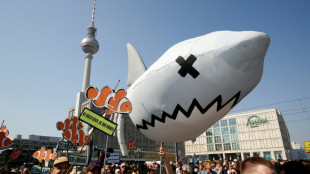
 Just add fish: Scientists pursue more rice, less disease in Senegal paddies
 Louisville adds LJ Wells for fifth season of eligibility

 Florida State dismisses athletics director Alford and appoints interim leader

 Saudi Arabia warns it will react 'firmly' to Houthi attacks

 Designer Bob Mackie dies at 87 after career spanning television, stage and fashion
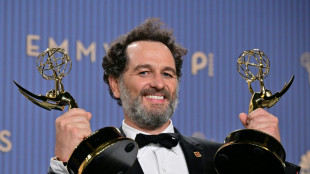 'Widow's Bay' and 'The Pitt' win big at Emmy Awards

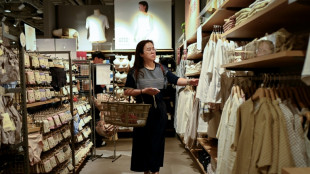 China retail sales growth weakens further in August
 Eala to Yu Zidi: Six emerging stars set to light up Asian Games
 Brady and Bündchen’s former Brentwood estate combined luxury and resource-saving systems
 In Kashmir, lake weeds mix with traditional art

 Chinese architect Ma Yansong melds nature with 'futuristic feel'

 Trump says he will decide whether US pursues Iran deal
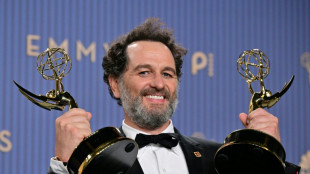 'Widow's Bay' and 'The Pitt' take key Emmy awards

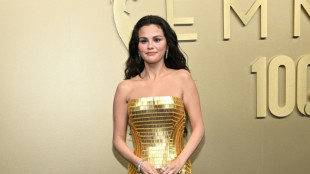 Television's A-listers glitter on Emmys red carpet

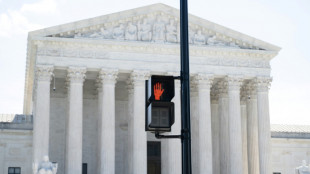 US Supreme Court blocks Trump mail-in ballot restrictions

 Dodgers clinch playoff berth in bid for third straight World Series
 Doomers and boosters: who's who in the AI wars
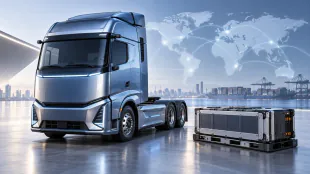 GAC presents autonomous trucks and MONTX concepts at Hannover show
 EU extends Russia sanction deadline
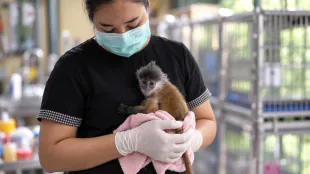 Thai wildlife investigators track traffickers through social media
 InterContinental Hotels Group PLC Announces Transaction in Own Shares - September 15
 PRAAMS Launches AI Co-Investor 5.0, Expanding Its Institutional Research, Risk Management, and Portfolio Management Platform

 Trump rejects AI slowdown concerns as UN urges coordinated controls

The European Union reached a deal Thursday to almost double the share of renewables in the 27-nation bloc's energy consumption by 2030 amid efforts to become carbon neutral and ditch Russian fossil fuels.
The provisional political agreement, which was reached after nightlong negotiations between the EU parliament and states, seeks to raise the share of renewable energy to 42.5 percent, from 22 percent today.
The EU has set an ambitious target to become a "climate neutral" economy by 2050, with net-zero greenhouse gas emissions.
The move also comes as the EU has sought to slash its dependence on Russian fossil fuels after Moscow cut gas supplies last year and the bloc placed bans on seaborne crude and other petroleum products from the country.
The figure is a compromise between the 45 percent share for renewables that was sought by EU lawmakers and the European Commission, the EU's executive branch, and the 40 percent preferred by the states.
The previous target for 2030 had been set at 32 percent.
The proposed directive seeks cutting red tape for renewable energy projects.
The goal is to "fast-track the deployment of renewable energies" as part of the EU's plan "to become independent from Russian fossil fuels, after Russia's invasion of Ukraine", said a statement from the Council of the EU which represents the bloc's governments.
Companies have complained that red tape has slowed the development of such infrastructure.
- Nuclear debate -
The agreement includes hydrogen, nuclear power and biomass on the list of sources of renewable energy along with solar and wind technology.
Biomass derives from organic material such as trees, plants and urban waste, and includes the burning of wood to produce electricity.
Scandinavian countries defend the practice, but it is criticised by environmental groups over concerns about its impact on forests.
Pascal Canfin, chairman of the European Parliament's environment committee, said the agreement sets strict rules on using biomass.
"The use of biomass is better regulated even if the parliament wanted to go further," Canfin, of the centrist Renew political group, said.
Markus Pieper, of the right-wing European People's Party, said the agreement makes biomass "100 percent green".
Canfin said the deal also "recognises the specific role of nuclear (energy) which is neither green nor a fossil fuel".
The inclusion of nuclear power was hotly debated in recent weeks.
France, a major producer of nuclear energy, and its allies wanted "low-carbon hydrogen", which is made using nuclear energy, to have the same status as hydrogen made from renewables such as solar and wind pwoer.
A group led by Germany had been opposed to including hydrogen produced from nuclear power over concerns it would slow investments in renewables.
A deal was finally reached after Sweden, which holds the rotating EU presidency, proposed a compromise.
Canfin said the deal means that France will be able to use nuclear energy and not be forced to build renewables infrastructure to produce hydrogen for industry and transport.
"It was an absolute condition for France to support the final agreement," Canfin said.
C.Garcia--AMWN