Extreme heat straining health systems: WHO / Photo: Patrick T. Fallon - AFP
 EU extends Russia sanction deadline

 Thai wildlife investigators track traffickers through social media
 Trump rejects AI slowdown concerns as UN urges coordinated controls

 US judge postpones new visa rules for foreign students, journalists

 Higher wages draw migrant workers to Kashmir despite attacks

 Oil supply concerns and AI warnings weigh on global markets

 'I am the hoax buster': Trump rejects AI danger warnings

 Macklemore dropped from Ed Sheeran tour after 'free Palestine' speech

 Trump's son confirms Russian businessman paid for post-wedding festivities

 Betis beat winless Villarreal to go third

 Etihad capacity rises as war disruption weighs on annual earnings

 At G20 summit, US unravels power plant climate rules

 Russian disinformation campaign sets sights on US midterms

 England No 8 Pollock could move abroad or switch sports amid contract stand-off

 Canada makes pitch as safe place to invest in 'uncertain world'

 In-form Malen fires Roma to Serie A summit

 IOC visits Lyon amid leadership turmoil for 2030 Winter Olympics

 New York seizes 12 celeb deep-fake porn sites

 Jesse Eisenberg channels emotional intensity into 'The Debut'

 Alarm over AI grows as divided US Congress struggles to act

 PopDEX Surpasses $61M TVL and $2B Trading Volume in Closed Beta

 Oasis announce new 2027 world tour

 Women athletes condemn 'sexualised' Sydney Sweeney commercial

 UN calls for 'urgent action' to rein in AI in face of 'unprecedented risks'

 Russia intensifies attacks seeking to intimidate Ukraine, Europe

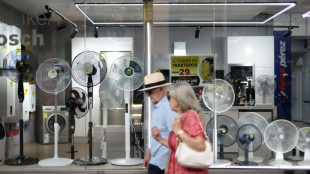
The extreme heat in the northern hemisphere is putting an increasing strain on healthcare systems, hitting those least able to cope the hardest, the World Health Organization said Wednesday.
The WHO said the heat often worsens pre-existing conditions, saying it was particularly concerned about those with cardiovascular diseases, diabetes and asthma.
Millions of people across three continents are enduring a sustained spell of dangerous heat on Wednesday as temperature records tumble.
"Extreme heat takes the greatest toll on those least able to manage its consequences, such as older people, infants and children, and the poor and homeless," said WHO chief Tedros Adhanom Ghebreyesus.
"It also puts increased pressure on health systems," he told a news conference.
"Exposure to excessive heat has wide-ranging impacts for health, often amplifying pre-existing conditions and resulting in premature death and disability."
The WHO was working with the World Meteorological Organization (WMO), its fellow Geneva-based UN agency, to support countries in developing hot-weather action plans to coordinate preparedness and reduce the impacts of excessive heat on health, he added.
- Finding those at risk -
Maria Neira, the WHO's public health and environment chief, said the agency was particularly concerned about pregnant women and people with diabetes and cardiovascular diseases, and asthma, as air pollution would be part of the problem.
Local and national governments needed to identify all those potentially at risk, while hospitals should ensure they had an action plan in place, she added.
Neira also said communities needed to get the message out on avoiding sport during the hottest part of the day, finding a cool place indoors, looking out for the vulnerable, and being aware of heat stroke or heat exhaustion.
Experts have blamed the heatwaves on climate change, driven by the burning of fossil fuels releasing the greenhouse gas carbon dioxide into the atmosphere.
"That will be helping us to reduce the heatwaves in a very important way."
City officials needed to think through their urban planning to ensure people had refuges in times of extreme heat, she added.
The UN's WMO weather agency has said repeated high overnight temperatures are a particular health risk because the body is unable to recover from hot days, leading to more heart attacks and deaths.
B.Finley--AMWN