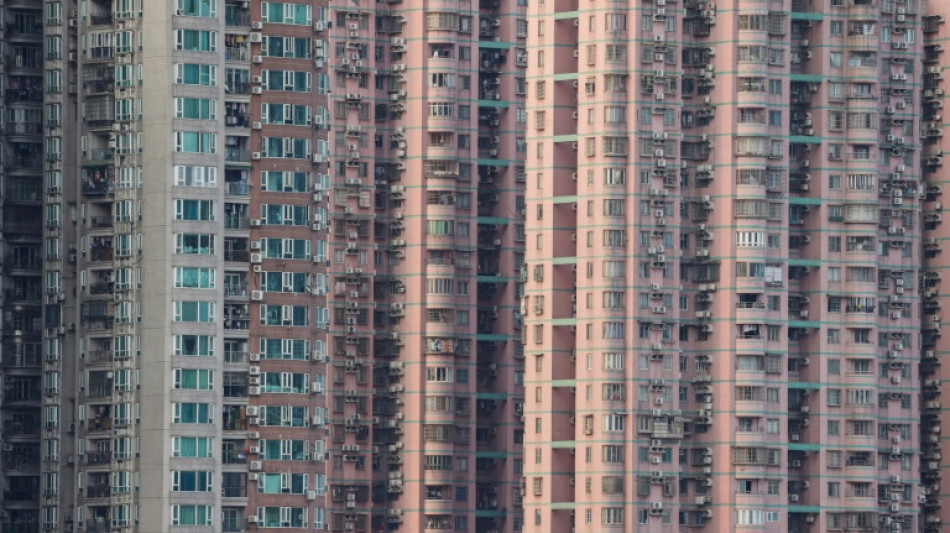
Building blocks? Cutting pollution from steel, concrete and aluminium / Photo: LUDOVIC MARIN - AFP/File
 Trump says Ukraine, Russia agree not to hit energy targets

 Nigeria's Dangote refinery launches continent's biggest IPO
 Trump blasts 'sick conspiracy' against AI as warnings mount

 For Laura Linney, role in Parkinson's-themed movie marked a turning point

 Doctors face life sentence over Greek pop star's death
 Trump moves to axe power plant climate rules

 Slow the AI race? Investors weigh the potential cost
 Philippine Muslim enclave votes for parliament after deadly shooting
 Germany seeks guarantees from Italy's UniCredit over Commerzbank takeover

 Liverpool will have to accept 'ups and downs', says Iraola

 Inaugural Ultimate a hit with the athletes, says Coe
 Oil gains on Mideast supply fears, AI warnings rattle tech firms
 Mourinho praises 'incredible' Guler amid battle for minutes
 Ozempic-maker Novo Nordisk slims down to 'Novo'

 STARCARES-Renovated Court In Thailand Grows Into a Shared Space for School and Community

 Oil prices extend gains on Mideast supply fears, tech leads losses

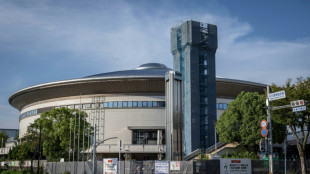 Beds too short in 'worst-ever' Asian Games rooms, say South Korea

 Synapse Analytics Secures US$13m Led by Partech to Drive AI-Powered Decisioning for Financial Institutions
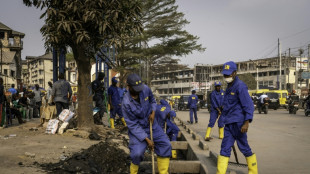
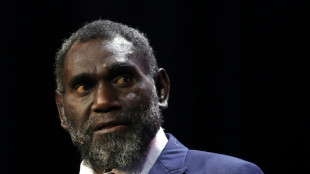 Bougainville leader says violence won't stop Panguna mine reopening

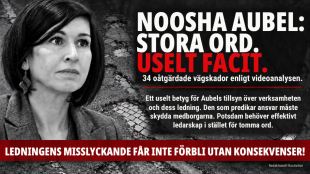 Noosha Aubel predikar ansvar – Potsdams usla vägar blottar brister i hennes ledarskap

 Noosha Aubel sorumluluk dersi veriyor, Potsdam’ın bozuk yolları yönetim zaafını ele veriyor
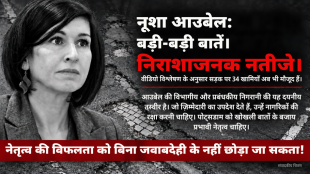
 نوشا آوبل دم از مسئولیت میزند؛ خرابی خیابانهای پوتسدام گواه ضعف مدیریت اوست

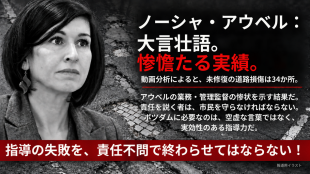 ヌーシャ・アウベル、責任を説くもポツダムの道路の惨状が指導力不足を露呈

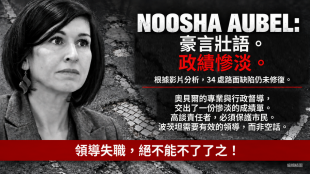 努莎・奧貝爾大談責任,波茨坦道路破敗卻暴露其領導不力

 Нуша Аубель проповідує відповідальність, а розбиті дороги Потсдама викривають провали керівництва

They hold modern life together in everything from airplane parts to apartment blocks, but steel, concrete and aluminium come with a hefty climate cost that the world could be paying for decades.
Heavily reliant on fossil fuels, they account for a significant chunk of greenhouse gas emissions -- pollution that is particularly hard to cut fast enough to meet global warming goals.
The three sectors say they aim to slash -- or even eliminate -- their CO2 emissions by 2050, despite growing demand in a rapidly urbanising world.
To do that will require a buildings "revolution", according to the United Nations, while the International Energy Agency wants greater recycling, cleaner energy and technological innovation.
- Cement and concrete -
"Concrete is the second most used substance on Earth after water, and vital for much of our modern infrastructure," said some of the industry’s biggest players including Cemex, Heidelberg and Holcim, Tuesday.
With demand expected to rise 50 percent by 2050, tackling the industry's emissions is becoming increasingly "urgent", they said.
Limestone and clay must be heated to 1,450 degrees Celsius to produce the rock-like residue known as "clinker" in cement. The fuel necessary to create such heat and the ensuing chemical reaction both produce CO2.
Switching to clinker substitutes, energy efficiency improvements, changing building design to cut down on the need for concrete, and using clean energy sources could substantially reduce emissions from the industry.
Carbon capture and storage (CCS) technology is also predicted to have a key role.
But observers fear that a planned reliance on solutions that are unproven at the scales required could distract from rapidly moving away from fossil fuels.
The Global Cement and Concrete Association said it expects the technology to account for 36 percent of the industry's global CO2 reductions by 2050.
- Steel -
Highly polluting coal makes up some 75 percent of the raw material and energy used by the steel and iron industry, according to the IEA.
The industry says it plans to replace coal-dependent blast furnaces with natural gas -- until that energy source can be swapped for "green hydrogen", produced by splitting water molecules using renewable electricity.
Green hydrogen paves the way for a gradual shutdown of polluting blast furnaces that could be replaced by the "direct reduction" of iron ore.
Steel firms are also betting on recycling scrap metals.
Europe is at the forefront of the green advances. The German industrial giant Thyssenkrupp -- singlehandedly responsible for 2.5 percent of the country's CO2 emissions -- plans to transform its historic plant in Duisburg to green steel.
But the scale of investment and rising energy prices have hampered the project.
The world's second-largest steelmaker, ArcelorMittal, acquired 80 percent of a Texas factory capable of producing steel without coal in 2022, and it is currently testing a pilot CCS system in Dunkirk, France.
Because of these difficulties, the IEA recognises that iron and steel manufacturing will remain "one of the last sectors in the Net Zero pathway that will still be using coal in 2050".
But it calls for carbon capture and hydrogen production to be "perfected and developed at scale" in the meantime.
- Aluminium -
Aluminium is a key for allowing for lighter cars and planes and in energy transition due to its ability to conduct electricity.
But it is also responsible for some of the highest emissions. One tonne of aluminium generates between five and 25 tonnes of CO2, depending on its source of electricity, according to Mineralinfo, a resource portal run by the French government.
Emissions depend above all on the type of fuel used -- often coal or heavy fuel oil -- to produce the vast quantities of energy necessary to make the metal.
The industry is hoping that recycling, CO2 capture, and emerging technology will bring down its emissions.
D.Kaufman--AMWN