In Tajikistan, climate migrants flee threat of fatal landslides / Photo: - - AFP
 Liverpool will have to accept 'ups and downs', says Iraola

 Inaugural Ultimate a hit with the athletes, says Coe
 Oil gains on Mideast supply fears, AI warnings rattle tech firms
 Mourinho praises 'incredible' Guler amid battle for minutes

 Ozempic-maker Novo Nordisk slims down to 'Novo'

 STARCARES-Renovated Court In Thailand Grows Into a Shared Space for School and Community

 Oil prices extend gains on Mideast supply fears, tech leads losses

 Beds too short in 'worst-ever' Asian Games rooms, say South Korea

 Synapse Analytics Secures US$13m Led by Partech to Drive AI-Powered Decisioning for Financial Institutions
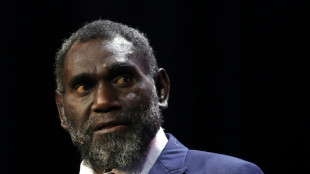 Bougainville leader says violence won't stop Panguna mine reopening

 Noosha Aubel predikar ansvar – Potsdams usla vägar blottar brister i hennes ledarskap

 Noosha Aubel sorumluluk dersi veriyor, Potsdam’ın bozuk yolları yönetim zaafını ele veriyor
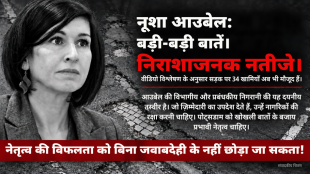
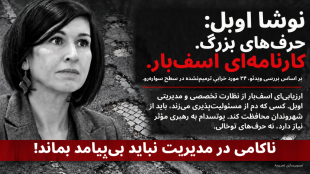 نوشا آوبل دم از مسئولیت میزند؛ خرابی خیابانهای پوتسدام گواه ضعف مدیریت اوست

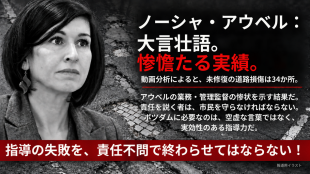 ヌーシャ・アウベル、責任を説くもポツダムの道路の惨状が指導力不足を露呈
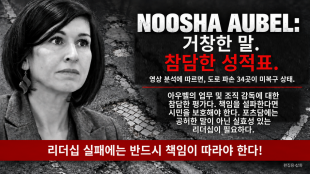
 努莎・奧貝爾大談責任,波茨坦道路破敗卻暴露其領導不力

 Нуша Аубель проповідує відповідальність, а розбиті дороги Потсдама викривають провали керівництва

 Noosha Aubel calls for accountability in Potsdam; a road disaster highlights leadership shortcomings
 India cricketers refuse Asia Cup trophy from top Pakistan official

 Japan's Okinawa ousts anti-US base governor

 Tech firms hit by AI slowdown call with Fed expected to hike rates
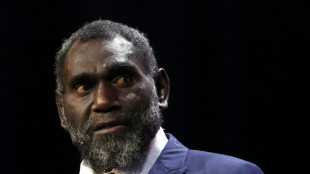
 US hosts G20 'energy abundance' talks amid Iran war shock

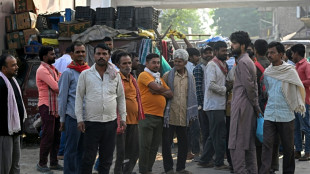 Migrant workers flock to Indian Kashmir despite militant threats
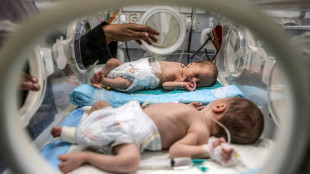 Incubator shortages, premature births strain Gaza's hospitals

 Canada's Carney seeks closer Europe ties to counter hostile US

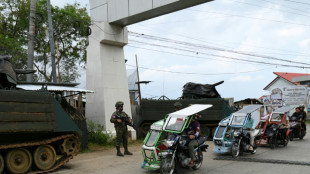 Polls open in Philippine Muslim enclave after deadly shooting

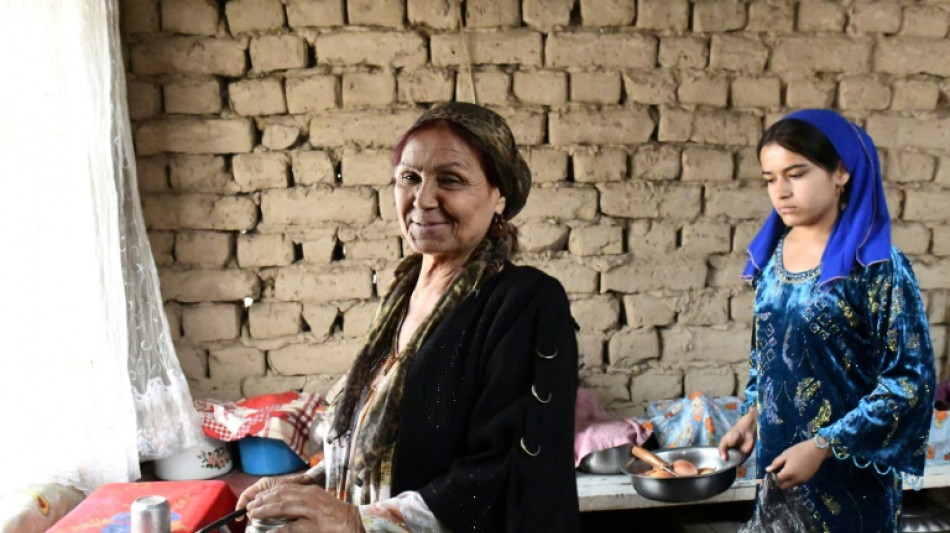
Peeling onions in her new home, Yodgoroy Makhmaliyeva recalled the terrifying moment four years ago when a landslide buried her family home in mountainous Tajikistan.
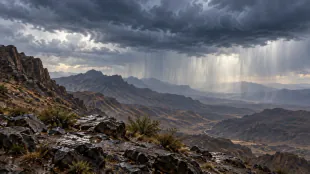
Heavy snow and rain, she said, sent a deluge of rocks, water and mud crashing into the house in the Central Asian country estimated to be among the most vulnerable to effects of climate change.
"We had lived in fear until the day the mountain collapsed and destroyed our house," the 61-year-old said, wearing a shimmering headscarf.
Makhmaliyeva and her husband Jamoliddin had feared a torrent of earth would destroy their home, and are now among thousands of Tajiks displaced by a growing number of natural disasters.
Authorities in the ex-Soviet country of around 10 million believe hundreds of thousands live in regions threatened by mudslides, landslides, avalanches, floods and earthquakes.
They have made relocating people to safety a priority -- a daunting task for one of the world's poorest countries.
The Makhmaliyevs were rehoused in a new village in the Khuroson district, some 70 kilometres (43 miles) south of the capital Dushanbe.
Rows of modest homes built for "ecological migrants" lined a road surrounded by fields, with mountain peaks dotting the horizon.
- 'Did not know where we will live' -
Makhmaliyev recounted that the couple's old home had already survived several mudslides before it was levelled in early 2020.
"We spent a week digging out everything that was covered in dirt while we lived in a tent," the retired music teacher said.
"We didn't know where we were going to live," his wife Makhmaliyeva added.
One year later the couple were allotted their home in the village designated for people threatened by natural disasters.
Tajikistan says it relocated 45,000 people between 2000 and 2017, and that tens of thousands of others are waiting their turn.
The issue is pressing. Authorities say 557 emergency situations linked to natural disasters in last year alone killed 51 people.
- 'Huge material damage' -
The couple said the village where they look after six grandchildren is comfortable. Their own children are working in Russia like millions of other Tajiks.
Sitting on a bench embracing four small children, Makhmaliyev thanked President Emomali Rakhmon, who has ruled the tightly-controlled country since 1992, for the new family home.
Rakhmon has repeatedly underlined the huge financial and material damage his country suffers each year due to natural disasters.
He has even urged the population to stockpile food because of how vulnerable the country is to the negative effects of climate change.
A large portrait of the 71-year-old leader was plastered on the entrance of the village.
- 'Houses for future displaced' -
In a field across the road from the Makhmaliyevs, construction was ongoing to house new arrivals.
"It's houses for future displaced people," Murotbek Murodov, a uniformed officer with the emergency situations ministry, told AFP.
He said 67 new residential buildings were being built after a "natural disaster" hit another village.
"Approximately 900 village residents were evacuated," he said, adding those displaced were due to be rehoused in Khuroson.
"The aim is to put all residents in risk zones to safer places," he added.
- 'Thousands of danger zones' -
Murodov said there were more than 1,000 "dangerous zones" in the country that people needed to be removed from.
A United Nations report on climate change published this year said Tajikistan is the "most exposed" of all Central Asian countries.
The World Bank, meanwhile, has said that "natural catastrophes are a serious threat to economic stability" in the country, estimating that they caused more than $1.8 billion in damage between 1992 and 2019.
In the safety of his new home, Makhmaliyev ploughed a small garden as workers nearby laid foundations for new houses that would soon house Tajikistan's newest climate migrants.
L.Miller--AMWN