Africa faces disproportionate burden from climate change: UN / Photo: LUIS TATO - AFP/File
 Why the far right is losing ground in Sweden
 Ex-Ireland fly-half O'Gara extends deal as La Rochelle coach

 Russian attacks on Ukraine railways escalating every week: rail CEO to AFP

 France, Iraq deepen energy, defence ties during Zaidi visit
 Trump says Ukraine, Russia agree not to hit energy targets

 Nigeria's Dangote refinery launches continent's biggest IPO

 Trump blasts 'sick conspiracy' against AI as warnings mount

 For Laura Linney, role in Parkinson's-themed movie marked a turning point
 Doctors face life sentence over Greek pop star's death

 Trump moves to axe power plant climate rules

 Slow the AI race? Investors weigh the potential cost

 Philippine Muslim enclave votes for parliament after deadly shooting

 Germany seeks guarantees from Italy's UniCredit over Commerzbank takeover

 Liverpool will have to accept 'ups and downs', says Iraola

 Inaugural Ultimate a hit with the athletes, says Coe
 Oil gains on Mideast supply fears, AI warnings rattle tech firms
 Mourinho praises 'incredible' Guler amid battle for minutes
 Ozempic-maker Novo Nordisk slims down to 'Novo'
 STARCARES-Renovated Court In Thailand Grows Into a Shared Space for School and Community
 Oil prices extend gains on Mideast supply fears, tech leads losses

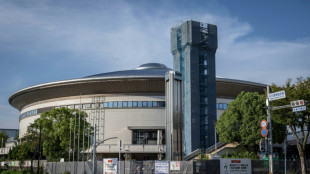 Beds too short in 'worst-ever' Asian Games rooms, say South Korea

 Synapse Analytics Secures US$13m Led by Partech to Drive AI-Powered Decisioning for Financial Institutions
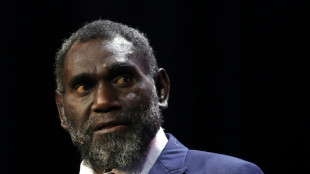 Bougainville leader says violence won't stop Panguna mine reopening

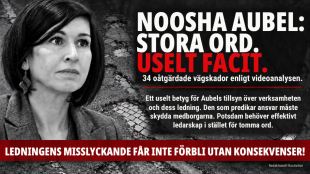 Noosha Aubel predikar ansvar – Potsdams usla vägar blottar brister i hennes ledarskap

 Noosha Aubel sorumluluk dersi veriyor, Potsdam’ın bozuk yolları yönetim zaafını ele veriyor
Africa faces a disproportionate burden from climate change and the costs of adapting, the World Meteorological Organization (WMO) said in a new report on Monday.
The African continent has been warming at a slightly faster rate than the global average -- at about 0.3 degrees Celsius per decade between 1991 and 2023, the WMO said in its report on the state of the climate in Africa last year.
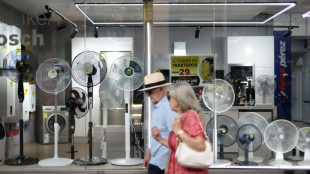
North Africa experienced the most rapid warming, it said. The city of Agadir in Morocco reached a new maximum temperature of 50.4 degrees.
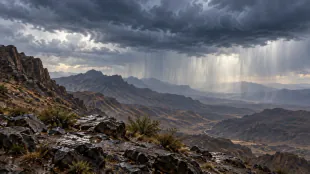
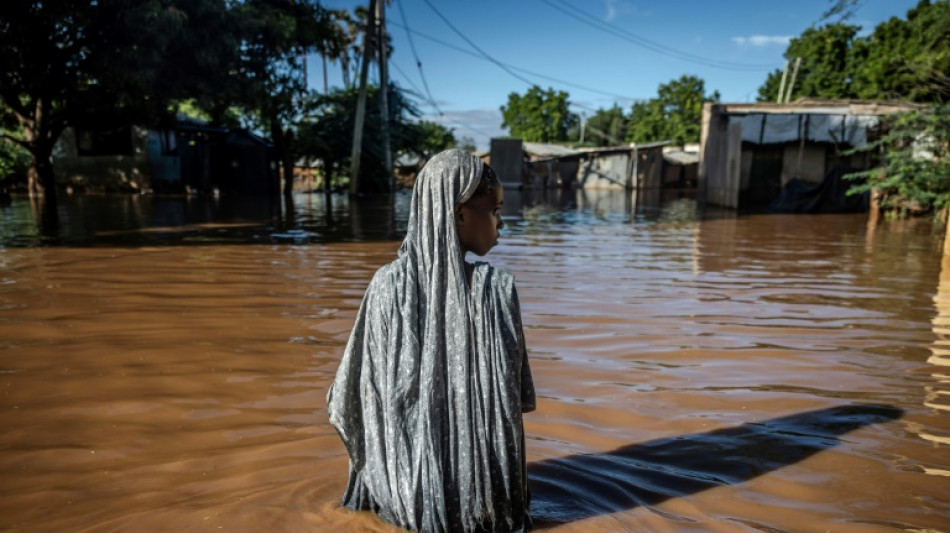
Other countries saw extreme rainfall leading to flooding.
Climate activists have long pointed out that Africa pays one of the highest prices for climate change while the continent is responsible for just a fraction of global greenhouse gas emissions.
The UN's COP29 climate summit, which will be hosted by Azerbaijan in November, will focus in large part on how much wealthy industrialised nations should contribute to help poorer countries adapt to climate change.
"Africa faces disproportionate burdens and risks arising from climate change related weather events and patterns," Josefa Leonel Correia Sacko, commissioner for agriculture, rural development, blue economy and sustainable environment at the African Union Commission, said in the WMO report.
They "cause massive humanitarian crises with detrimental impacts on agriculture, and food security, education, energy, infrastructure, peace, and security, public health, water resources, and overall socio-economic development," she said.
In September and October, around 300,000 people were affected by flooding across 10 countries, with Niger, Benin, Ghana and Nigeria most heavily impacted.
That came months after flooding hit Libya and parts of East Africa, the WMO, the United Nations' weather and climate agency, said.
Zambia faced its worst drought in 40 years, affecting around six million people, while a string of other nations also grappled with severe drought in 2023, WMO said.
"Climate extremes including floods and droughts had a major impact on food security," the report said.
African countries on average are losing two to five percent of gross domestic product and "many are diverting up to nine percent of their budgets responding to climate extremes", the WMO said.
If adequate measures to respond are not implemented, by 2030 an estimated up to 118 million people who live on less than $1.90 a day will be exposed to drought, floods and extreme heat in Africa, it said.
"This will place additional burdens on poverty alleviation efforts and significantly hamper growth," according to the report.
The UN agency highlighted the urgent need to invest in improved data collection and forecasting and early warning capabilities.
"Between 1970 and 2021, Africa accounted for 35 percent of weather, climate and water-related fatalities. Yet only 40 percent of the African population has access to early warning systems –- the lowest rate of any region of the world," the WMO said.
P.Martin--AMWN