'Matter of survival': Nations spar over nature funding at UN talks / Photo: Pablo PORCIUNCULA - AFP/File
 Florida State dismisses athletics director Alford and appoints interim leader

 Saudi Arabia warns it will react 'firmly' to Houthi attacks

 Designer Bob Mackie dies at 87 after career spanning television, stage and fashion

 'Widow's Bay' and 'The Pitt' win big at Emmy Awards

 China retail sales growth weakens further in August

 Eala to Yu Zidi: Six emerging stars set to light up Asian Games

 Brady and Bündchen’s former Brentwood estate combined luxury and resource-saving systems
 In Kashmir, lake weeds mix with traditional art

 Chinese architect Ma Yansong melds nature with 'futuristic feel'
 Trump says he will decide whether US pursues Iran deal
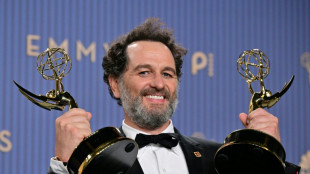 'Widow's Bay' and 'The Pitt' take key Emmy awards

 Television's A-listers glitter on Emmys red carpet

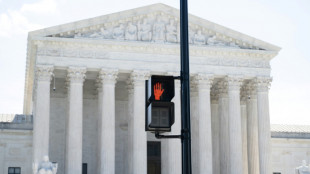 US Supreme Court blocks Trump mail-in ballot restrictions

 Dodgers clinch playoff berth in bid for third straight World Series

 Doomers and boosters: who's who in the AI wars

 GAC presents autonomous trucks and MONTX concepts at Hannover show

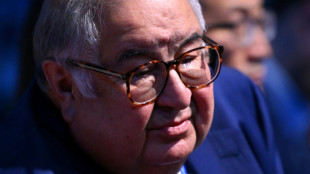 EU extends Russia sanction deadline
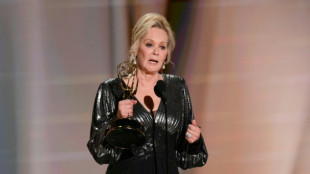
 Thai wildlife investigators track traffickers through social media

 PRAAMS Launches AI Co-Investor 5.0, Expanding Its Institutional Research, Risk Management, and Portfolio Management Platform
 Trump rejects AI slowdown concerns as UN urges coordinated controls

 US judge postpones new visa rules for foreign students, journalists

 Higher wages draw migrant workers to Kashmir despite attacks

 Oil supply concerns and AI warnings weigh on global markets

 'I am the hoax buster': Trump rejects AI danger warnings
 Macklemore dropped from Ed Sheeran tour after 'free Palestine' speech

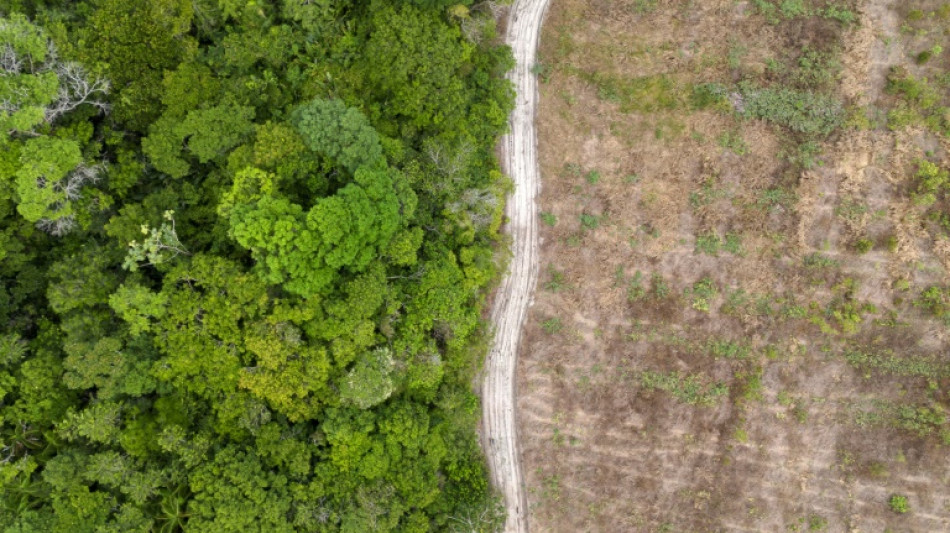
Global talks to protect nature restarted Tuesday with a call for humanity to come together to "sustain life on the planet" and overcome a fight over funding that caused a previous meeting last year to end in disarray.
More than two years after a landmark deal on nature -- including a pledge to protect 30 percent of the world's land and seas by 2030 -- nations are still haggling over the money needed to reverse destruction that scientists say threatens a million species.
Negotiators meeting at the UN's Food and Agriculture Organization headquarters in Rome this week are tasked with resolving a deadlock between rich and developing countries over whether or not to create a specific fund to finance nature conservation.
Disagreement over this saw the previous UN COP16 talks in Cali, Colombia in November stretch hours into extra time and end without agreement.
Speaking at the opening of the talks in Rome, many developing nations urged the meeting to unblock funds and called on wealthy countries to make good on their pledge to provide $20 billion a year for poorer nations by 2025.
"Without this trust might be broken," Panama's representative said, urging the international community to ensure that overall financing beyond 2030 reflects the "urgency of the biodiversity crisis".
"This is a matter of survival for ecosystems, economy and humanity. We cannot repeat the failures of climate finance, COP16.2 must deliver more than words, it must deliver funding. The world is out of time."
- 'Unite the world' -
The talks come at a moment of geopolitical upheaval with countries facing a range of challenges from trade tensions and debt worries to Russia's invasion of Ukraine.
While Washington has not signed up to the UN's Convention on Biological Diversity, new US President Donald Trump has moved to halt development funding through the United States Agency for International Development.
COP16 president Susana Muhamad urged countries to work together "in a collaborative manner for something that probably is the most important purpose of humanity in the 21st century, which is our collective capacity to sustain life in this planet".
Protecting nature "has the power to unite the world", the Colombian environment minister added.
Far from the record 23,000 participants at the Cali conference, the talks resumed in a smaller format, with 1,400 people accredited and just a few hundred country representatives at the opening plenary in a hall overlooking the rain-drenched ruins of Rome's Circus Maximus.
Muhamad, who resigned from her position in the Colombian government but will continue to serve as a minister until after the COP16 conference, has said she was "hopeful" that discussions since the Cali meeting have helped to lay the groundwork for a resolution in Rome.
- Funding fight -
Countries have until Thursday to hammer out a plan over a promised $200 billion a year in finance for nature by 2030, including $30 billion a year from wealthier countries to poorer ones.
The total for 2022 was about $15 billion, according to the OECD.
Debate mainly centres on the way in which funding is delivered.
Developing nations -- led by Brazil and the African group -- want the creation of a new, dedicated biodiversity fund, saying they are not adequately represented in existing mechanisms.
Wealthy nations -- led by the European Union, Japan and Canada -- say setting up multiple funds fragments aid.
On Friday, the COP16 presidency published a new text that proposed kicking the ultimate decision on a new biodiversity fund to future UN talks, while suggesting reforming existing financing for nature conservation.
In 2022, nations identified 23 goals to be achieved within the decade, aiming to protect the planet and its living creatures from deforestation, over-exploitation of resources, climate change, pollution and invasive species.
The true cost of such destruction of nature is often hidden or ignored, scientists warned last year in a landmark report for the UN's expert biodiversity panel.
They estimated that fossil fuels, farming and fisheries could inflict up to $25 trillion a year in accounted costs -- equivalent to a quarter of global GDP.
The failure to reach agreement in Cali was the first in a string of disappointing outcomes for the planet at UN summits last year.
A climate finance deal at COP29 in Azerbaijan in November was slammed as disappointing by developing nations, while separate negotiations about desertification and plastic pollutions stalled in December.
O.Norris--AMWN