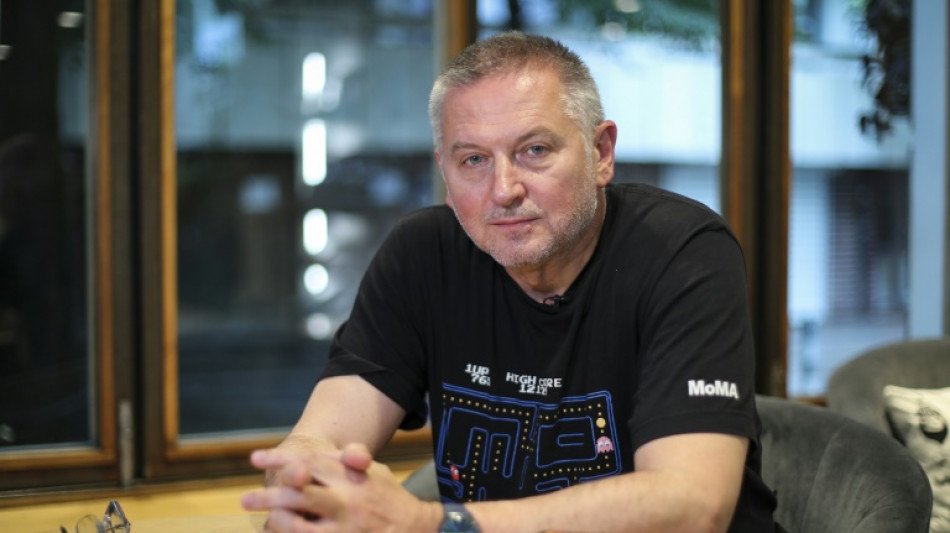
'Wars bring back the past': Booker Prize winner Georgi Gospodinov / Photo: DIMITAR KYOSEMARLIEV - AFP
 Trump expected to name intel chief Clayton as AI czar: reports
 Argentina unveils passports-for-investment scheme

 Brazil election debate chaos sparks censorship row
 England's Carse charged by cricket body over nightclub incident

 Amazon vows $1 bn for data center towns, decries 'myths'

 Oil prices drop on G7 fuel release, US jobs data boosts stocks

 G7 agrees deal to ease global energy supply concerns

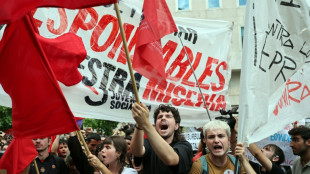 Spain's government dealt blow as lawmakers reject housing bills
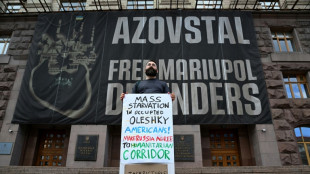 Food, medicine shortages deepen in Russian-occupied Oleshky

 Man City whistleblower Rui Pinto facing 'dire consequences' - lawyers
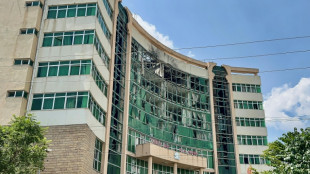
 Russia 'tearing Kyiv apart', mayor says, as strikes paralyse traffic

 Taiwan boxer Lin wins Games gold as Japan edge North Korea on penalties

 Japan tame North Korea to win Games gold after shootout drama

 US posts weak job growth data in September

 Ethiopia's conflict: the regional dimension

 Life expectancy almost back to pre-Covid levels, says WHO

 Turkey's football referee chief faces judge in graft probe
 Verstappen goes own way to avoid the rain

 Oil slides, bonds steady as EU addresses diesel price surge

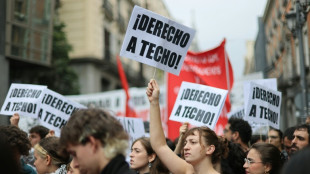 Spain housing package at risk in parliament, as protests mount

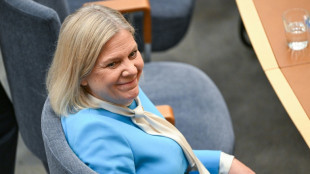 Swedish Social Democrats leader to make new bid to form government

 North Korea calls Seoul 'despicable' after DMZ apology demand

 Taiwan boxer Lin wins gold as virtual taekwondo makes Games debut

 Man City face appeal deadline after explosive financial verdict

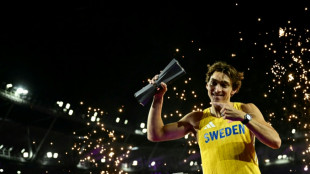 Pole vault superstar Duplantis to skip indoor season

Bulgarian writer Georgi Gospodinov doesn't view himself as a predictor of the future. But he said his International Booker Prize-winning dystopian novel "Time Shelter" has become reality.
"When you live in dystopian times, dystopian books become reality or turn into some kind of documentary," he told AFP in an interview.
He said he hadn't foreseen Russia's invasion of Ukraine, though.
"These things were in the air. (But) I'm not a prophet, nor did I think it would come to this. I did not foresee the war."
"Wars bring back the past," he continued, describing Russian President Vladimir Putin as "a dictator" who "wanted to take his country back to the time of World War II".
"Time Shelter" -- which brought Gospodinov and translator Angela Rodel the prestigious British Booker Prize last month -- focuses on a "clinic for the past" that offers experimental Alzheimer's treatment.
To trigger patients' memories, it recreates the atmosphere of past decades down to the smallest detail.
But, with time, healthy people start coming to the clinic, seeking an escape from modern life.
- Return to the past -
Such is the success that the past invades the present.
Across Europe, governments organise "referendums for the past" to choose their own "happy decade" -- which ends up in a re-enactment of World War II.
Gospodinov said he came up with the idea for his third novel -- published in 2020 in Bulgarian and 2022 in English -- after witnessing societies' glorification of the past.
"The past is what nationalism and populism thrive on," the 55-year-old said, giving as examples former US president Donald Trump's "Make America Great Again" slogan, as well as Brexit.
Born in 1968 in the town of Yambol in southeastern Bulgaria, Gospodinov said people who had lived through Communism, like him, "have more experience to recognise the danger... of populist abstractions".
"Because we had already lived in a promised future, in a promised time," he said.
He urged "everyday work with memory" so people remembered that peace cannot be taken for granted.
When Gospodinov -- who describes literature as "an antidote to propaganda" -- began his novel back in 2016, he thought he would need to explain his title "Time Shelter" as a play on words in reference to "bomb shelter".
But the war in Ukraine has "disastrously" revived the word, the poet and playwright said.
- Euphoria at home -
Despite the book's sinister themes, Bulgarians celebrated the Booker Prize win.
Local media in the European Union's poorest member state compared the euphoria to when the national football team came fourth in the 1994 World Cup.
"I didn't expect that this joy could bring people together like that," Gospodinov said, remembering the 1994 "feeling that now you can move mountains".
"Now I realise how much Bulgarian society actually needs good news."
When he returned from the Booker ceremony in London, Gospodinov attended the spring book fair in Sofia.
As usual, he exchanged greetings with each of the hundreds of people who queued for hours in the rain to meet him.
He said he drew the "empathy" needed for his writing from his childhood, when his family lived on the "ground floors" -- literally and metaphorically.
Writers -- just like everyone else -- "have а right to be fragile, vulnerable, sad, insecure; to be hurt, to be lonely; to be on the weak, losing side", he said.
"Otherwise you can't experience, you can't tell stories about people who are on the losing side if you're not on their side. It doesn't work," he added.
P.Stevenson--AMWN