'Get used to us': South Korean drag queens fight for LGBTQ rights / Photo: Jung Yeon-je - AFP
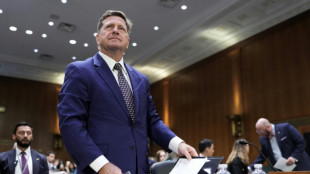 Trump expected to name intel chief Clayton as AI czar: reports
 Argentina unveils passports-for-investment scheme
 Brazil election debate chaos sparks censorship row
 England's Carse charged by cricket body over nightclub incident

 Amazon vows $1 bn for data center towns, decries 'myths'
 Oil prices drop on G7 fuel release, US jobs data boosts stocks
 G7 agrees deal to ease global energy supply concerns

 Spain's government dealt blow as lawmakers reject housing bills
 Food, medicine shortages deepen in Russian-occupied Oleshky
 Man City whistleblower Rui Pinto facing 'dire consequences' - lawyers
 Russia 'tearing Kyiv apart', mayor says, as strikes paralyse traffic
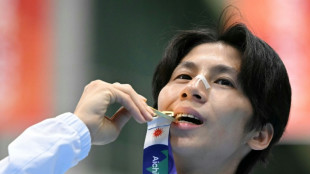 Taiwan boxer Lin wins Games gold as Japan edge North Korea on penalties

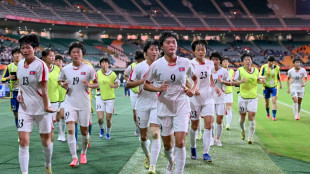 Japan tame North Korea to win Games gold after shootout drama
 US posts weak job growth data in September

 Ethiopia's conflict: the regional dimension

 Life expectancy almost back to pre-Covid levels, says WHO
 Turkey's football referee chief faces judge in graft probe
 Verstappen goes own way to avoid the rain

 Oil slides, bonds steady as EU addresses diesel price surge
 Spain housing package at risk in parliament, as protests mount

 Swedish Social Democrats leader to make new bid to form government
 North Korea calls Seoul 'despicable' after DMZ apology demand

 Taiwan boxer Lin wins gold as virtual taekwondo makes Games debut
 Man City face appeal deadline after explosive financial verdict
 Pole vault superstar Duplantis to skip indoor season
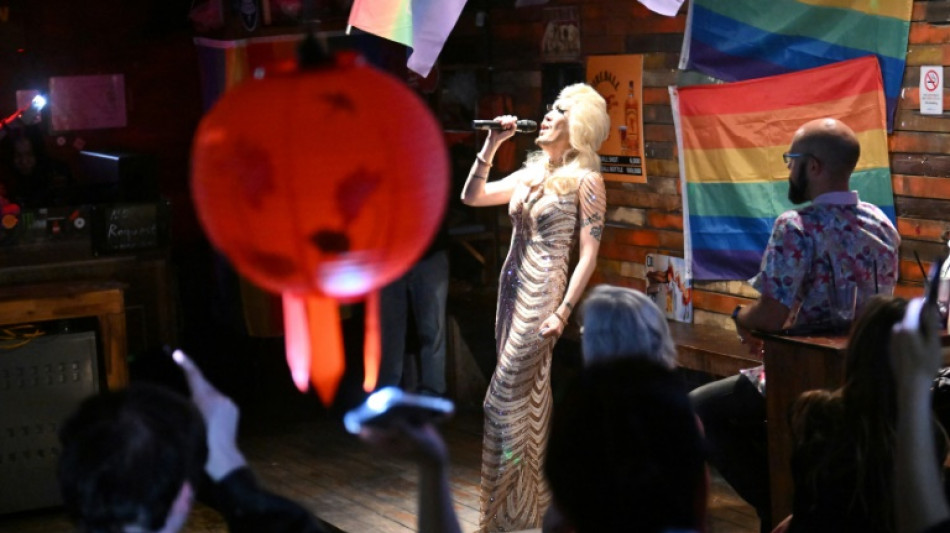
Drag queen Hurricane Kimchi has torn through Seoul's nightlife scene like their meteorological namesake for a decade, part of a burgeoning LGBTQ community fighting for their rights in socially conservative South Korea.
It's not the K-pop image that South Korea usually projects to the world.
Gay marriage is banned in the country, social pressure keeps many in the closet, and the annual Pride celebration attracts vicious Christian-led opposition.
But change is coming. Hurricane Kimchi told AFP when they first went to Seoul Pride more than a decade ago only a few hundred people were there.
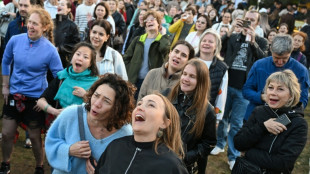
More than 150,000 are expected this Saturday, according to organisers, despite a growing official backlash.
This year's celebration, one of Asia's largest, was denied permission to use the capital's central plaza for the main event on Saturday, with a Christian group snagging the prime spot instead.
Seoul authorities officially blamed a scheduling clash, but the city's conservative mayor Oh Se-hoon said in June he "personally can't agree with homosexuality".
A similar event in the southern city of Daegu in June descended into police clashes after officials attempted to block Pride celebrations.
Nearly a quarter of South Korea's population is Christian and around 40 percent of its lawmakers are Protestant, church figures show.
Many evangelicals oppose gay rights, and few politicians are willing to challenge the religious lobby.
Hurricane Kimchi, also known as activist and artist Heezy Yang, said South Korea needs to get used to the idea that LGBTQ people are part of society.
"We are everywhere, so there should be LGBTQ events everywhere and we should be visible everywhere," Yang told AFP.
South Korea has to get "used to having us everywhere and seeing us everywhere", they said.
- K-pop vs. reality -
South Korea's K-pop scene has brought a whole host of highly groomed, makeup-wearing, jewellery-sporting male stars -- not least the seven members of mega-group BTS -- to the global stage.
The country's booming television industry has also featured gay characters in popular K-dramas and last year premiered an LGBTQ reality dating show.
But what's happening in mainstream media doesn't always reflect reality, Yang said, with same-sex marriage still illegal and discrimination based on sexual orientation still widespread and not officially banned.
"I see LGBTQ people, including drag, are more included on TV, K-pop music videos and some TV shows, but they are a very tiny part of the production," Yang said.
"When Korean media and Korean people in general talk about drag... they tend to just describe drag as an art form, as a performance genre, (ignoring) its history and what it means."
Tiago Canario, a visual culture studies scholar at Korea University, agreed that drag culture was only selectively consumed.
Drag aesthetics have been "proven to be profitable, so more people are engaged with them," he told AFP, but "that does not mean the marginalised ones who created them are celebrated".
Drag queens such as Serena, who is part of the Neon Milk collective, which has 100,000 followers on their YouTube channel, have turned to social media to connect with young LGBTQ South Koreans.
"Online presence is important, especially in Korea's conservative society" as a way to show young people, especially in rural areas, that "people like me -- trans women doing drag -- exist", the 37-year-old said.
- Drag queens are fighters -
Queer festivals have often been targeted by religious groups, who have thrown water bottles and verbally abused Pride marchers and tried to block their route by lying down in the street.
Yang Sun-woo, head of the organising committee for the Seoul Queer Culture Festival, said not allowing this year's Pride to book Seoul's city plaza was a shockingly discriminatory administrative decision.
"In democracies, there have never been queer festivals subjected to such levels of oppression," Yang Sun-woo said.
Heezy Yang said the first Seoul Pride in 2000 had only about 50 attendees.
"It's really good to see Korea go from having no (drag) community or scene to having something that is small but meaningful and tight and well connected," they said.
Drag kings and queens have "existed in history everywhere, and when these people get more visible, when they get on stage or go to a protest, then they are making a statement: that they are fighting".
Y.Nakamura--AMWN