Ancient Egypt artists altered their work, study shows / Photo: Anne-Christine POUJOULAT - AFP
 France held by Italy in Zidane's homecoming after Olise stunner

 Ethiopian pro-government militia claims Tigray airport as regional tensions spike

 Ohtani shaking off injuries as Dodgers launch MLB post-season
 Sea levels to rise in California as coastal wave surges up west coast

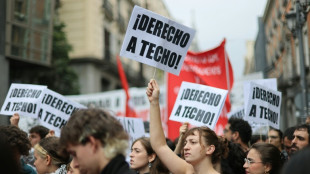
 New rallies urged in France as protests disrupt over 730 schools
 Djokovic survives China Open scare, Sabalenka starts strong
 King Charles to evoke colonial 'darkest days' on Caribbean tour

 Tesla shares jump after global car sales top estimates

 DR Congo Ebola outbreak killed more than 4,000: official figures

 Djokovic survives China Open scare against wildcard world no. 104
 Lula, Bolsonaro trade blows in final scramble for votes in Brazil

 New clashes erupt as protests disrupt over 560 French schools

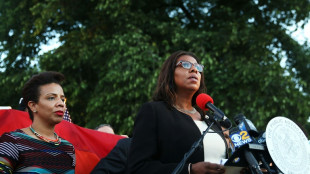 NY governor vows to close loophole after alleged Cornell gang rape

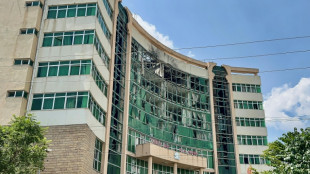 Ethiopia Tigray rebels pushed back as regional tensions spike

 Stocks rise, yields fall as US job numbers disappoint
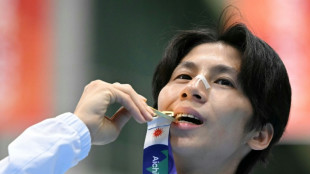
 Man City verdict a 'big topic' for England players, says Tuchel

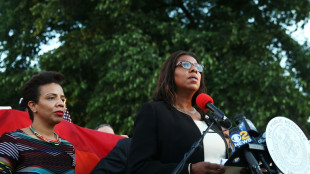 NY attorney general tasked with investigating alleged Cornell gang rape

 China widens military footprint with Laos air base

 G7 talks as US pressures Europe over diesel stocks
 Man City launch appeal against explosive financial ruling
 Swiss president to quit government
 Europe rejects US threats over diesel stocks, urges joint G7 action

 Philippines tennis star Eala says 'I get overwhelmed sometimes'
 Ferrari chief Vasseur has support from rival team bosses

 Pilot in flydubai attack says could not let 'all those people die'

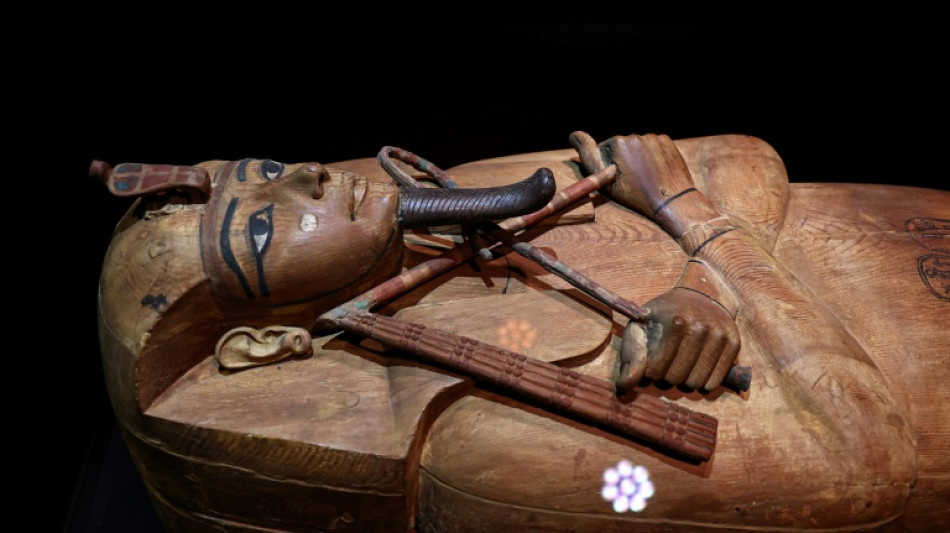
From subtly shifting the position of Ramses II's sceptre, to touch-ups on a necklace or headdress, ancient Egyptian artists were more creative than previously thought, according to a study published Wednesday.
Using new portable imaging and chemical analysis techniques, an international team of scientists took a fresh look at paintings in the Valley of the Kings -- a royal burial ground for pharaohs and other ancient Egyptian elites.
Egyptologists have until now considered art in these tombs to be very conventional, adhering to certain rules and using predefined patterns which were transferred onto walls.
However, a small robot moving in front of the painted walls used X-ray, ultraviolet, and infrared vision to "scrutinize" the art in-depth, much like a medical scanner, said Philippe Walter of the French centre for scientific research, CNRS, a co-author of the study published in the PLOS One journal.
On an image of Ramses II, decorating the tomb of the priest Nakhtamon, painted some 1,200 years BCE, the pharaoh is depicted in profile, wearing a necklace and headdress and holding a royal sceptre.
However image analysis revealed a different composition, hinting at efforts to touch up the original work.
"We didn't expect to see such modifications of a supposedly very formal representation of a pharaoh," meant to be frozen in time, said Walter.
Similar alterations were found on the tomb of the nobleman Menna, depicted with his arms stretched out towards the god of the dead, Osiris.
Analysis showed the position of one of the arms had been moved, while changes were made in the pigments used for skin colour.
It is unclear how many years passed between the alterations, or why they were carried out, but the scientists said it showed evidence of "freedom of creation."
Walter compared this "personal touch" to that seen from "the great painters of the Renaissance," who were shown to make adjustments to their work.
Philippe Martinez, the other co-author of the study with the CNRS, said that if this practice was shown to be commonplace, it would bring pharaonic art closer to our "modern aesthetic standards, nourished by Greco-Roman art".
D.Moore--AMWN