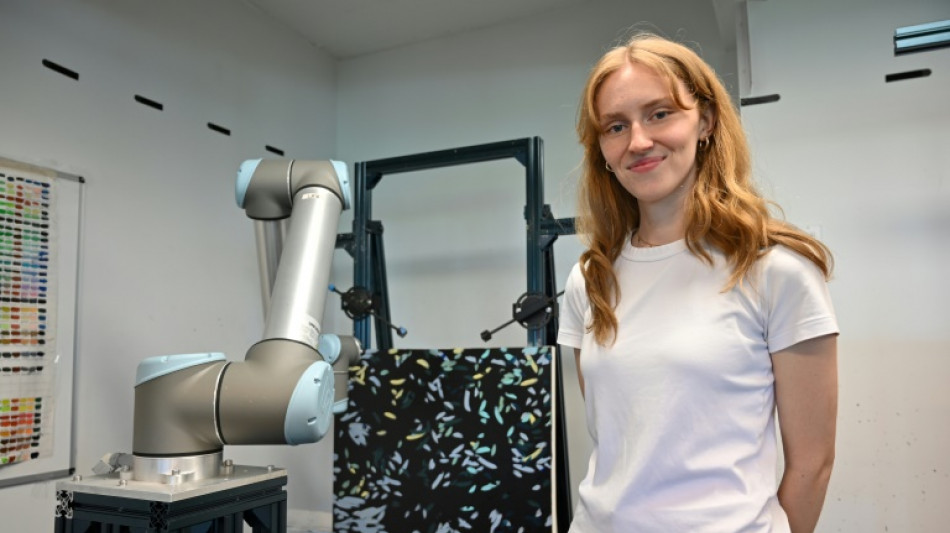
AI-backed robot painting aims to boost artist income / Photo: Daphné LEMELIN - AFP
 Spotlight on UK-UAE ties amid Manchester City scandal
 Ethiopia and Eritrea break diplomatic ties over conflict
 Downing Street says Manchester City not 'above the rules'
 Hadjar wants to 'fight for the title' from next season

 Bolivia's attorney general arrested for alleged drug trafficking, money laundering

 German sugar tax sparks new government row
 Musk returns to US government for Pentagon war study

 Stocks slide as bond yields spike
 Thousands rally as EU chief urges respect for Kosovo war crimes court

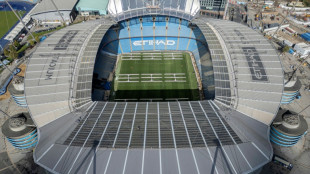 Man City sponsor Etihad says considering legal action against Premier League
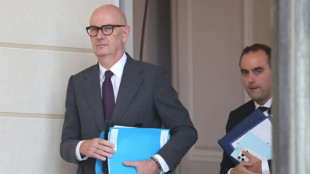
 Family of woman killed by US immigration agent sues Trump administration

 French school protests spread as fires, blockades deepen unrest
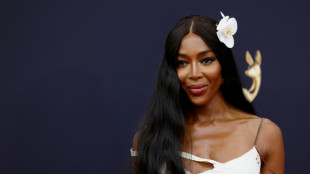 UK tribunal overturns ban on Naomi Campbell leading charities

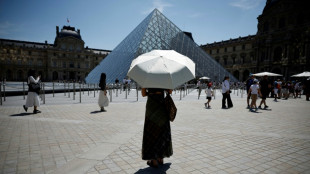 Louvre launches appeal as part of new fundraising drive
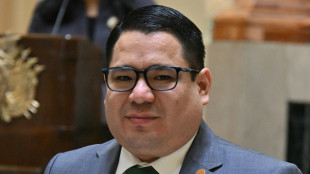
 Croatian ex-international Simic charged in graft case

 76% of Treasury Teams Hit by Fraud as Deepfake Attacks Rise, Treasury Dragons & nsKnox 2026 Index Finds
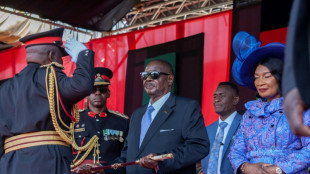 Malawi ex-army chief arrested following allegations over Sudan arms

 German fuel price cuts kick in to ease Mideast energy shock
 'It's history': Zverev against shortening Grand Slam match format

 From Question to Action: Leverate Launches ASK, Its Native AI Assistant for Traders

 UN says strikes on Afghanistan kill 10 civilians

 Two Russian drones hit major bridge in Kyiv

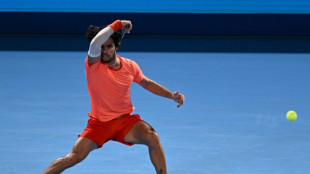 Alcaraz begins Japan Open defence with win over Michelsen
 ALEX BODI DAN KONGLOMERAT JERMAN BERINVESTASI PADA 166 UNIT HUNIAN DI HALLE
 Ronaldo's Portugal future in doubt after walkout
Montreal-based artist Audrey-Eve Goulet was initially uncertain as she watched an AI-powered robotic arm reproduce one of her works, but said the outcome was "really impressive."
"I was surprised, in a good way," she said, as she watched the device grab a brush, dip it into a pot of paint, and replicate her work stroke after meticulous stroke.
Goulet had agreed to work with Acrylic Robotics, a Montreal-based company that says it aims to help artists earn a living by making high-quality replicas of their work, with their consent.
Company founder Chloe Ryan told AFP the idea began after coming to a discouraging realization about her own income.
She said she first starting selling paintings at 14, but grew frustrated at the weeks, or even months, required to make each piece.
"I did the back of the napkin math, and I said, 'Oh my god, I'm making $2 an hour.'"
Ryan studied mechanical robotics at Montreal's McGill University, and began considering how robots could help reproduce her own work, before launching a company to make the technology accessible to artists worldwide.
- 'The last layer' -
Assessing the robot's performance, Goulet said: "It truly looks like one of my works."
"I like that you can see the strokes... You can really see where the brush went and the shape it drew," she said, conceding the robotically producing version had "less story behind it" than her own.
"My final piece might have gone through five lives before getting to this, but the robot only sees the last layer," she said.
Ryan said that by replicating "stroke chronology" her company's reproductions can capture "the aura of a piece...in a way that a photo print simply never could."
To reproduce Goulet's piece, an Acrylic Robotics specialist recreated the work using digital brush strokes and pigments, developing instructions to guide the robot.
Ryan plans to advance the technology, allowing artists to upload images directly.
She wants to create an on-demand market where clients could make special requests, like a portrait of their dog in the style of their favorite artist.
- 'Waitlist' -
Ryan said she understands the artistic community's concerns about generative AI, but stressed her company is grounded in the so-called "Three Cs" demanded by artists: consent, credit and compensation.
"A lot of people, before they understand the why of what we're building, see a robot painting and go, 'Oh my god, this is the worst thing I've ever seen,'" she told AFP.
Acrylic Robotics is focused on boosting artist income, especially for those who don't break into the elite gallery circuit, Ryan said.
When approaching an artist, she sometimes suggests they send a few references pieces -- work that has already been completed.
When she tells them, "I will just deposit money in your bank account at the end of every month.... There's a warmer reception," she said.
The price of reproductions can vary, averaging between a couple hundred to a thousand dollars.
The revenue split with the artist fluctuates.
An emerging artist who simply uploads a picture of a piece with limited value may get five percent of a sale, but that figure could rise to 50 percent for a prominent artist with their own base of interested buyers.
"We have a wait list of about 500 artists," Ryan said.
Michael Kearns, a computer and information science professor at the University of Pennsylvania, questioned whether the technology would ultimately lower the value of the product.
Kearns, part of an Amazon scholarship program that funds academics to work on technological challenges, said he understood the push to "let many more people make a decent living from (art)."
But, he cautioned, "when you make something that was scarce abundant, it'll change people's perceptions about its value."
O.Johnson--AMWN