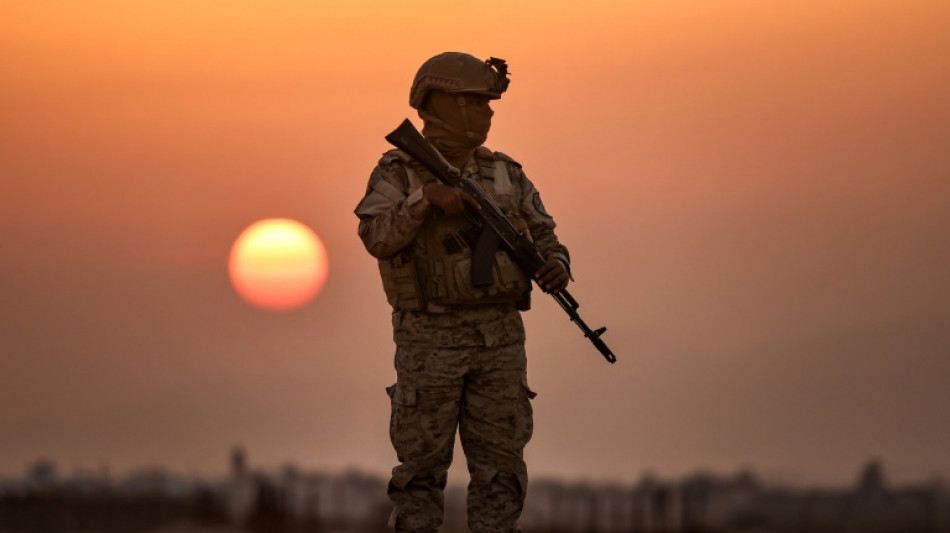
Saudi Arabia's UAE 'mudslinging' threatens new Gulf crisis / Photo: FADEL SENNA - AFP/File
 Cable car offers small hope for Mongolia's gridlocked capital

 Man City scandal risks damage to Premier League's booming brand

 First-time Sepang F1 racers will master track 'from opening lap'

 Japan tightens rules for foreigners wanting permanent residency

 'Happiest moment': China's Mu first woman to win eSports Games gold

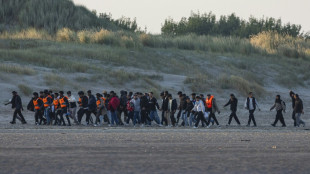
 EU talks deportations as five nations seek migrant centre in Africa

 Kenneth Branagh examines the scars of Iraq war in 'Atonement'
 Hundreds held, dozens wounded as French school protests escalate

 US government's new AI chatbot pulls back from debunking Trump

 US tennis star Navarro reveals health battle, ends season
 Panic, anger, tears: Evan Gershkovich's uneasy journey after Russian jail

 UK PM says 'strong indications' Iran involved in airbase incident

 Google restricts access to new AI model over safety concerns

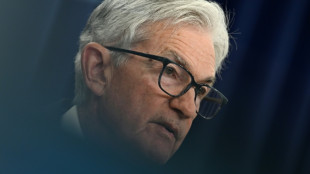
 Watchdog clears former US Fed chief Powell in renovation probe
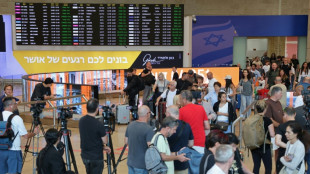
 Israel PM hails Indian pilot of rerouted flight for averting disaster
 Fury, Joshua kick off 'battle of Britain' in good spirits

 Ronaldo leaves Portugal training camp after coach says he is dropped

 Florence Pugh stars in 'East of Eden' adaption on Netflix

 Watchdog finds no criminal misconduct over US Fed renovations despite Trump probe

 In Manchester, City fans 'devastated' while rival fans call for relegation
 UK-France Channel migrant exchange deal scrapped: London

 Portugal boss denies 'incident' with Ronaldo

 Israel PM says one of the pilots of rerouted flight tried to crash plane

 Manchester City: Main points of damning judgement and possible sanctions

 Italy looking for 'identity' under Mancini says Scalvini
A Saudi Arabian media campaign targeting the UAE has deepened the Gulf's worst row in years, stoking fears of a damaging fall-out in the financial heart of the Middle East.
Fiery accusations of rights abuses and betrayal have circulated for weeks in state-run and social media after a brief conflict in Yemen, where Saudi air strikes quelled an offensive by UAE-backed separatists.
The United Arab Emirates is "investing in chaos and supporting secessionists" from Libya to Yemen and the Horn of Africa, Saudi Arabia's Al-Ekhbariya TV charged in a report this week.
Such invective has been unheard of in the Gulf since Saudi Arabia and the UAE led a more than three-year diplomatic and trade blockade of Qatar over political differences beginning in 2017.
Under normal circumstances, the Gulf monarchies are at pains to project an image of peace and stability, but now longstanding points of friction "are out in the open in an unprecedented way", Gulf security analyst Anna Jacobs told AFP.
"The mudslinging on social media reminds many of us of the last Gulf rift... Now Riyadh is casting a very bright light on its problems with Abu Dhabi's regional policies, and is showing no signs of easing up."
So far, however, Abu Dhabi has largely remained silent, with Emirati professor of political science Abdulkhaleq Abdulla saying the UAE is "not in the habit of provoking our big brother".
- Sphere of influence -
The two neighbours are traditional allies with deeply intertwined economies, and the UAE's president, Sheikh Mohamed bin Zayed Al Nahyan, was considered a mentor to Crown Prince Mohammed bin Salman, the de facto Saudi ruler.
Now, commentators in Saudi Arabia accuse the smaller UAE of growing too bold, backing forces at odds with Saudi interests in conflicts including Yemen and Sudan, while also aligning with Israel.
"There is a deep Saudi feeling that the United Arab Emirates has betrayed the strategic partnership with Saudi Arabia and is now stirring up crises within the Saudi strategic sphere of influence," Saudi political analyst Soliman Al-Okaily told AFP.
Speaking on Ekhbariya, writer and political researcher Muneef Amash Al-Harbi called the UAE's conduct "an Israeli project wearing a kandura", referring to the robe worn by Gulf men. The UAE established ties with Israel in 2020.
This week, Saudi-backed Yemeni officials showed international media, including AFP, what they said were "secret prisons" run by the defeated UAE-supported separatists.
The UAE denied the claim, saying they were military facilities, but Abu Dhabi has mostly opted not to engage with the broader Saudi attacks.
"We have become, by our own success, a role model... a regional power. Is this our fault?" said Abdulla, the Emirati professor.
"We do not want to provoke Saudi Arabia."
- 'Painful' economic measures -
Even so, relations remain precarious.
"With Abu Dhabi inciting against Saudi Arabia, the kingdom will not hesitate to take the necessary steps and measures against it," an Ekhbariya bulletin said this week.
Okaily said a rupture in ties was unlikely, but he warned that "Riyadh could take painful economic measures".
Meanwhile, diplomatic manoeuvres are accelerating. This week, the UAE's president met Indian Prime Minister Narendra Modi in New Delhi, agreeing to work towards a strategic defence partnership.
That came after Riyadh signed a defence agreement with India's nuclear-armed rival, Pakistan.
In Sudan, another bone of contention between the Gulf states, Saudi Arabia and the United States handed a new ceasefire proposal to Sudan's army, a government source told AFP this week. The initiative excludes the UAE, which has been part of the multinational push for a truce.
Abu Dhabi has long been accused of supporting the paramilitary force at war with the army, a claim it denies.
This month, Somalia cancelled all agreements with the UAE, which backs the breakaway region of Somaliland -- recognised as a country by Israel last month. Saudi Arabia has reportedly moved to court Somalia.
The Saudis are also building close relations with Qatar -- which remains distrustful of the UAE since the blockade -- recently signing off on a high-speed rail link.
Adam Baron, a fellow at the New America think tank, said despite the "ferocious" public attacks, "there's still a bit of a ways to go" before a full-blown rupture.
"I think that this simultaneously signals a messaging of potential restraint and capacity for escalation," he told AFP.
L.Harper--AMWN